


Aluminum Sheet Specifications Explained: Thickness, Alloy, Temper, and Width
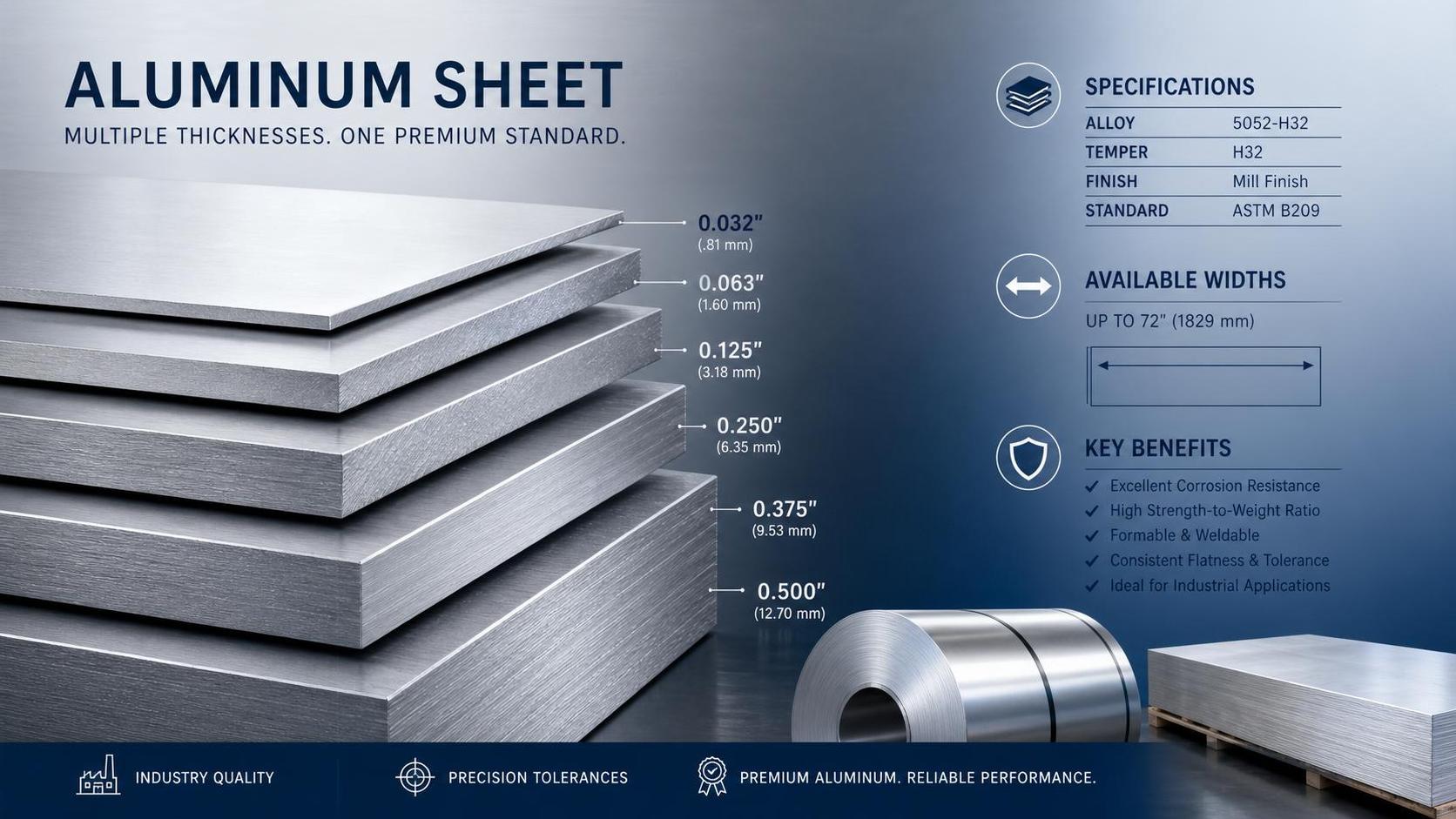
Aluminum Sheet Specifications Explained: Thickness, Alloy, Temper, and Width
Understanding aluminum sheet specifications matters when comparing materials for construction, fabrication, and industrial use.
Thickness, alloy, temper, and width all shape performance, cost, and processing results.
Once these basics are clear, aluminum sheet specifications become much easier to evaluate during sourcing.
1. Thickness Affects Strength and Formability
Thickness is one of the first aluminum sheet specifications buyers check.
Thicker sheets usually provide better rigidity, impact resistance, and load support.
Thinner sheets are lighter, easier to bend, and often better for stamping or decorative panels.
- Thin gauge: suitable for cladding, appliance covers, and lightweight parts
- Medium gauge: common in roofing, vehicle panels, and machinery covers
- Heavy gauge: used where structural strength matters more
2. Alloy Defines Corrosion and Workability
Another key part of aluminum sheet specifications is alloy selection.
1000 series offers high purity and conductivity.
3000 series is valued for formability and everyday corrosion resistance.
5000 series performs well in marine or chemical environments.
6000 series is often chosen for balanced strength and machinability.
In related applications, products like Aluminum tube use many of the same alloy families, including 1050, 3003, 5052, and 6061.
3. Temper Shows the Material Condition
Temper describes hardness and processing condition in aluminum sheet specifications.
O temper is softer and easier to form.
H tempers, such as H14 or H32, indicate strain hardening and improved strength.
Choosing the wrong temper can cause cracking, poor bending, or unnecessary cost.
4. Width Influences Yield and Processing
Width is often overlooked, but it directly affects nesting efficiency and scrap rate.
Matching sheet width to final part size helps reduce waste and secondary cutting.
Some suppliers also offer wider formats for curtain wall, roofing, and transport manufacturing needs.
How to Compare Aluminum Sheet Specifications
- Start with the end use and service environment
- Confirm required thickness tolerance and flatness
- Match alloy to corrosion, welding, or conductivity needs
- Check temper against bending, stamping, or machining plans
- Review width and length for yield optimization
Shandong Diwang Aluminum Technology Co., Ltd., established in 2002, supports this process with broad aluminum production capacity and exports to more than 30 countries.
When aluminum sheet specifications are reviewed as a full set, material selection becomes clearer, risks drop, and sourcing decisions become more reliable.
Leave A Message
If you are interested in our products and want to know more details, please leave a message here, we will reply you as soon as we can.