


How to Reduce Installation Errors with Aluminum Profiles
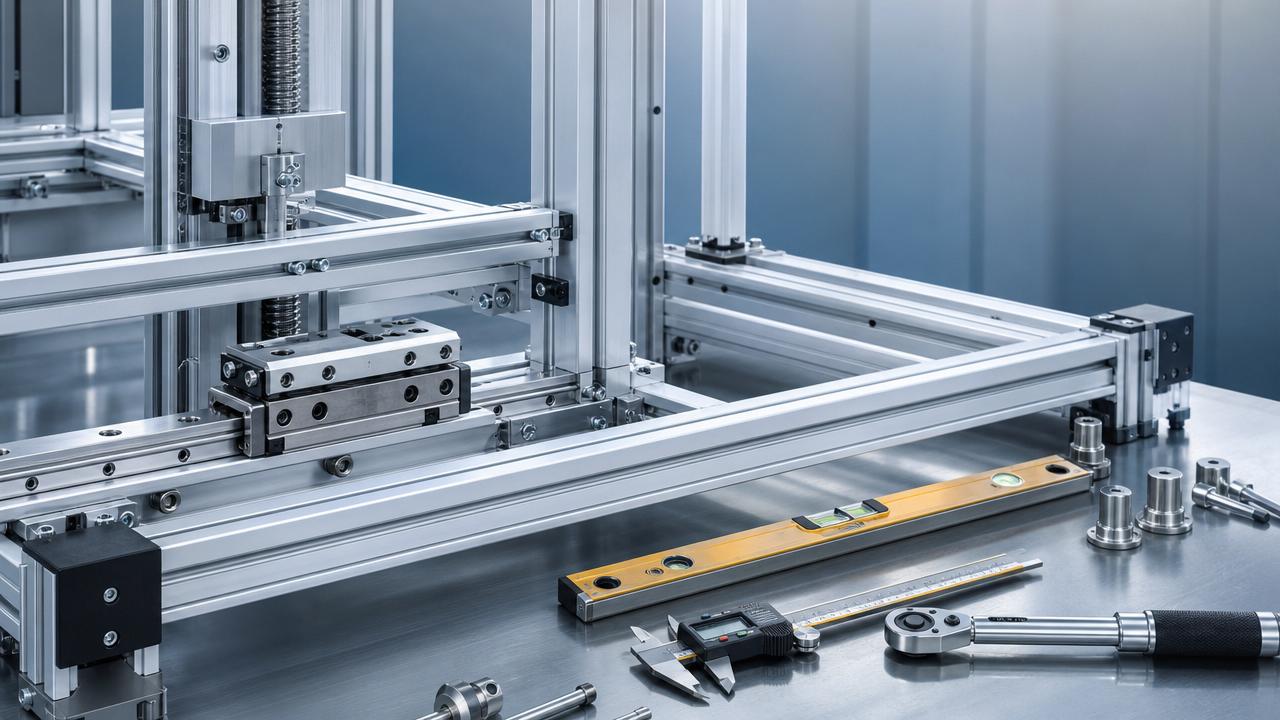
How to Reduce Installation Errors with Aluminum Profiles
Installation errors can cause misalignment, scrap, and repeat visits.
That is why aluminum profiles need more than basic fitting skills.
They need accurate planning, careful handling, and consistent checks.
In field service work, small mistakes often create bigger alignment problems later.
This is especially true when replacing frames, supports, rails, or machine structures.
The good news is that most aluminum profile installation errors are preventable.
A better process reduces downtime and improves long-term performance.
Start with the Right Aluminum Profiles
Many installation problems begin before the first fastener is tightened.
The wrong profile size or alloy can force unwanted adjustments on site.
Those adjustments usually reduce accuracy and increase labor time.
Check the drawing, load condition, joint method, and service environment first.
For humid, coastal, or chemical areas, corrosion resistance matters even more.
For long spans or structural repairs, profile strength and straightness become critical.
Selection checks that save time
- Match alloy grade to load, weather, and installation purpose.
- Confirm slot size, wall thickness, and connection compatibility.
- Verify tolerances before dispatch, not after arrival.
- Inspect surface damage that may affect sealing or alignment.
Suppliers with broad production experience usually help reduce mismatch risks early.
Shandong Diwang Aluminum Technology Co., Ltd., established in 2002, supports this with integrated design, production, and export experience across many industries.
Control Measurement Before Cutting
Poor measurement is one of the most common aluminum profile installation errors.
A few millimeters of deviation can affect holes, joints, and overall straightness.
In maintenance work, existing structures often make this issue more complex.
Walls, bases, and old brackets are not always square or level.
That means measuring only once is usually not enough.
A practical measurement routine
- Measure the opening width at several points.
- Check vertical and horizontal level separately.
- Confirm diagonal dimensions to detect distortion.
- Mark reference lines before cutting or drilling.
- Recheck the profile against the actual site condition.
This simple routine reduces rework and protects material yield.
Improve Fastening Accuracy and Joint Stability
Even well-cut aluminum profiles can fail if fastening is inconsistent.
Loose fasteners create vibration, noise, and gradual misalignment.
Overtightening can deform the section or damage threads.
This is a frequent issue in repairs completed under time pressure.
The better approach is controlled assembly, not faster assembly.
Key fastening habits
- Use the correct connector for the profile system.
- Follow a tightening sequence from center outward.
- Use torque tools where joint consistency matters.
- Add washers or isolation parts when galvanic contact is possible.
- Check every joint after the frame reaches final position.
If decorative or protective cladding is involved, material flatness also matters.
Products like Embossed Aluminum sheets are often selected for their high flatness, coating adhesion, and weather resistance.
Those properties help maintain a cleaner fit around installed aluminum profiles.
Handle Site Conditions More Carefully
Real installation environments are rarely perfect.
Dust, uneven floors, poor lighting, and rushed coordination affect results.
From recent field changes, tighter service windows make this even more obvious.
That also means site preparation is now part of installation quality.
A clean and controlled work zone helps aluminum profiles fit correctly the first time.
Before installation begins
- Clear debris from contact surfaces and fixing points.
- Confirm tools are calibrated and complete.
- Store profiles flat to avoid twist before use.
- Separate cut pieces by label to prevent mixing.
These steps are simple, but they remove many avoidable installation errors.
Use Final Inspection as a Quality Barrier
The last check is where small problems are caught before they become complaints.
It should never be skipped, even for routine aluminum profile replacement.
A short checklist is usually enough.
Where covers or outer panels are added, consistent color and corrosion resistance matter too.
This is one reason why 1000, 3000, 5000, and 6000 series aluminum products remain widely used in construction, transport, and industrial equipment.
Build a Repeatable Installation Process
Reducing errors with aluminum profiles is really about repeatability.
When each job follows the same logic, quality becomes easier to maintain.
Select correctly, measure carefully, fasten accurately, and inspect thoroughly.
That process helps reduce waste, callbacks, and hidden structural risks.
In actual operations, the most reliable teams are not always the fastest ones.
They are the teams that make fewer avoidable mistakes.
If installation quality needs improvement, start by standardizing these field steps.
That is the most practical way to get better results from aluminum profiles over time.
Leave A Message
If you are interested in our products and want to know more details, please leave a message here, we will reply you as soon as we can.