


Aluminum Coils Lead Time Risks and How to Plan Around Them
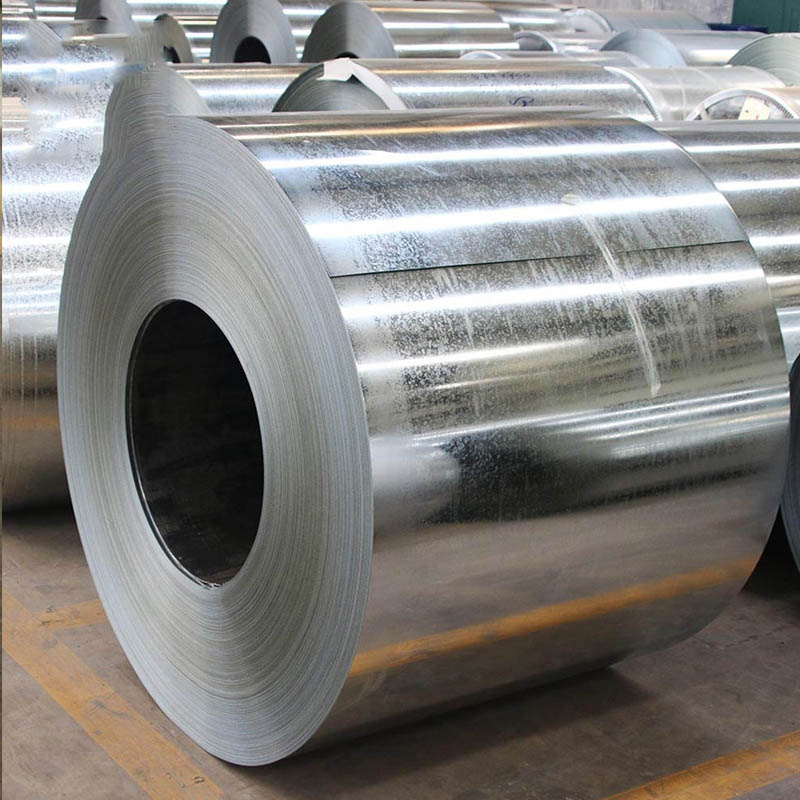
For project timelines, delayed aluminum coils can trigger cost increases, idle capacity, and missed delivery dates. Lead time risk often starts upstream and expands across production, finishing, and logistics.
Understanding why aluminum coils are delayed helps reduce surprises. Better planning around supply, specifications, and transport can create a more stable sourcing strategy in volatile metal markets.
What causes aluminum coils lead time risk?
Aluminum coils lead times are influenced by several linked factors. A delay in one stage can affect every downstream milestone.
The first risk is raw material volatility. Changes in aluminum ingot supply, alloy availability, and energy pricing can reduce production stability.
The second risk is mill capacity. Peak seasons, urgent orders, and maintenance shutdowns can stretch booking windows for aluminum coils.
The third risk is process complexity. Special temper, narrow tolerance, slitting, embossing, or color coating usually require additional scheduling time.
The fourth risk is shipping disruption. Port congestion, container shortages, customs checks, and inland transport delays often extend total delivery time.
Which aluminum coils orders face the highest delay probability?
Not all aluminum coils orders carry the same risk. Customized products usually face longer and less predictable lead times.
Orders with uncommon alloys, such as 5083, 5182, or 6082, may require extra sourcing and line preparation. Small batch orders can also wait longer for production consolidation.
Surface-finished materials add another layer. For example, Color coated Aluminum coils need coating line allocation, color consistency checks, and adhesion inspection before shipment.
Projects for building curtain walls, automotive panels, marine applications, or semiconductor equipment usually require tighter quality controls. That can extend approval and packing time.
- Custom width and length
- Special alloy and temper combinations
- Coated or decorative surfaces
- Export packing or certification needs
How can lead time for aluminum coils be estimated more accurately?
A realistic estimate should separate total lead time into measurable parts. This avoids relying on one simple promise date.
A practical model includes raw material preparation, rolling schedule, finishing process, inspection, packaging, inland transport, port handling, and ocean transit.
It also helps to ask whether the quoted lead time is for ex-works completion or final arrival. Many misunderstandings happen at this point.
Reliable suppliers usually confirm alloy grade, dimensions, coating needs, and destination before providing a date. Clear inputs improve aluminum coils planning accuracy.
A simple lead time breakdown
How do specifications affect aluminum coils delivery schedules?
Specifications can change lead time more than buyers expect. Standard grades usually move faster than highly engineered materials.
Thickness, width, and alloy family all matter. Wider coils, heavy gauge material, or strict flatness targets may require special line arrangements.
For coated products, color matching and weather resistance verification add more steps. Uniform coating adhesion and corrosion resistance are especially important for exterior applications.
Some aluminum coils used in construction, transport, and machinery must also meet appearance expectations. Surface smoothness and color uniformity can affect release timing.
When schedules are tight, selecting more common grades such as 1050, 1060, 1100, 3003, 3105, or 5052 may improve availability, depending on stock conditions.
What planning methods reduce aluminum coils supply disruption?
The most effective method is early specification locking. Frequent changes after order placement often create the biggest lead time losses.
Another method is tiered scheduling. Divide demand into confirmed, forecast, and emergency volumes. This allows more flexible booking for aluminum coils supply.
It is also useful to approve substitute grades when technically possible. A backup alloy or width range can protect projects from shortages.
Buffer inventory can help, but only for stable demand items. For custom finishes, capacity reservation is often better than overstocking.
- Freeze key specifications earlier
- Share rolling forecasts with suppliers
- Keep alternates for alloy or dimensions
- Add shipping contingency to project plans
- Review supplier line capacity, not only price
How should a supplier be evaluated for aluminum coils reliability?
Price alone does not reveal delivery strength. Reliable aluminum coils supply depends on manufacturing depth, quality control, and export coordination.
Shandong Diwang Aluminum Technology Co., Ltd., established in 2002, integrates design, research, production, and sales across aluminum and galvanized products.
The company operates five advanced aluminum coil production lines with annual output of 900,000 tons. Its products are exported to more than 30 countries.
This kind of capacity matters when evaluating schedule resilience. Broader production capability can support different alloys, widths, and application requirements.
In projects needing decorative and durable surfaces, Color coated Aluminum coils are often selected for high flatness, uniform color, strong adhesion, weather resistance, and recyclability.
Quick supplier evaluation checklist
What mistakes often worsen aluminum coils lead time problems?
One common mistake is treating quoted lead time as guaranteed arrival time. Production completion and final delivery are not the same milestone.
Another mistake is incomplete specifications. Missing alloy, coating, temper, or packing requirements can stop production confirmation for aluminum coils.
Late technical approvals are also costly. Sample confirmation, color approval, and document review should happen before scheduling becomes critical.
Finally, ignoring logistics seasonality creates avoidable risk. Holiday congestion and port pressure can delay even finished aluminum coils orders.
Aluminum coils lead time risk is manageable when specifications are clear, timelines are broken into stages, and supplier capacity is verified early.
A stronger sourcing plan combines technical clarity, realistic buffers, and dependable production support. Review demand, confirm requirements, and secure capacity before urgency drives cost.
Leave A Message
If you are interested in our products and want to know more details, please leave a message here, we will reply you as soon as we can.