


Aluminum Coil Price Trends to Watch in 2026
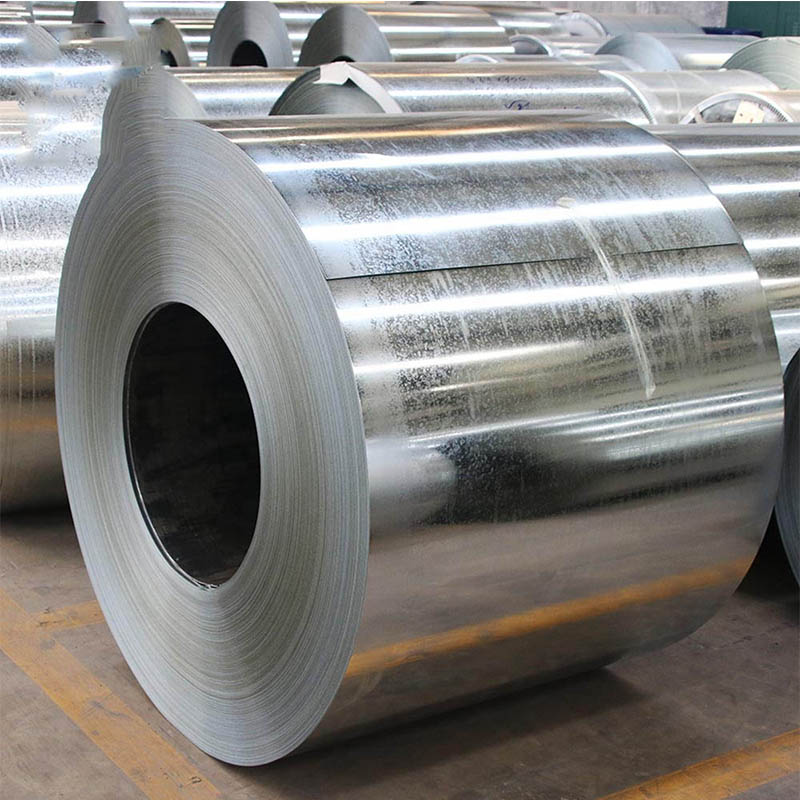
As global supply chains, energy costs, and downstream demand continue to shift, understanding Aluminum coil price trends in 2026 will be essential for procurement teams planning budgets and supplier strategies. From construction and automotive manufacturing to power, machinery, and industrial applications, buyers need reliable market insight to secure stable quality and competitive pricing. This article highlights the key factors likely to influence Aluminum coil prices and what purchasing professionals should watch before making sourcing decisions.
What Will Drive Aluminum Coil Prices in 2026?
For procurement managers, Aluminum coil pricing is rarely determined by one factor. It usually reflects raw material cost, energy intensity, processing capacity, logistics, currency movement, and order specifications.
In 2026, buyers should pay close attention to the relationship between aluminum ingot prices and fabrication premiums. A lower metal price does not always mean a lower final coil price.
- Raw aluminum supply: bauxite availability, alumina refining cost, and smelting output can directly affect Aluminum coil base pricing.
- Energy cost: aluminum production is power intensive, so electricity prices and regional energy policies may influence quotations.
- Processing requirements: alloy grade, temper, thickness tolerance, surface treatment, and packaging standards can change the final cost.
- Export logistics: ocean freight, port congestion, container availability, and delivery terms can affect landed procurement cost.
The most practical approach is to separate the metal value from processing, packaging, and transport charges. This gives buyers a clearer view when comparing Aluminum coil suppliers.
How Procurement Teams Should Read Market Signals
Aluminum coil buyers often face a timing problem: order too early and inventory pressure rises; wait too long and prices or lead times may become unstable.
The table below summarizes practical market signals that procurement teams can monitor before finalizing Aluminum coil contracts in 2026.
This comparison helps buyers avoid focusing only on unit price. For industrial purchasing, a stable supplier, predictable lead time, and consistent coil quality can reduce total risk.
Which Applications Are Most Sensitive to Price Changes?
Different end uses react differently to Aluminum coil price movement. Construction projects usually emphasize budget control, while machinery and aviation-related supply chains may prioritize specification stability.
Construction and Roofing Materials
In construction, Aluminum coil is used in roofing, cladding, insulation systems, and decorative panels. Buyers often need stable supply for phased project delivery.
Automotive, Machinery, and Power Equipment
For automotive parts, electrical equipment, and machinery components, dimensional tolerance and mechanical performance are critical. A cheaper coil may increase scrap if specifications are inconsistent.
Industrial and Export-Oriented Manufacturing
Export manufacturers should evaluate packaging, documentation, and standards compatibility. Minor procurement savings can disappear if damage, customs delays, or rework occurs.
How to Compare Aluminum Coil Quotes Beyond Unit Price
A professional Aluminum coil quotation should be reviewed as a technical and commercial package. Procurement teams need to identify what is included and what remains uncertain.
The following selection table can support supplier evaluation when budget, delivery time, and quality requirements must be balanced.
When two Aluminum coil offers look similar, procurement should compare the hidden variables. Mill capability, inspection support, and shipment reliability often determine real value.
Cost Management Strategies for 2026 Procurement
Cost control does not mean choosing the lowest quotation. For metallurgical materials, procurement savings should be measured against production yield, delivery certainty, and quality claims.
- Build a demand forecast by quarter, including normal consumption, project peaks, and safety stock for critical Aluminum coil specifications.
- Use split purchasing when appropriate, combining long-term stable supply with spot purchases for flexible market opportunities.
- Standardize commonly used thicknesses and widths to reduce special processing charges and shorten production lead time.
- Request technical confirmation before price negotiation, because unclear specifications often lead to later cost adjustments.
For buyers serving construction, coal mining, textiles, power, machinery, military industry, aviation, automobiles, and ships, specification discipline is especially important.
When Related Coated Materials Should Be Considered
Some procurement programs require both Aluminum coil and coated steel products. In building envelopes, appliances, and decorative applications, buyers may compare aluminum with galvanized or pre-painted materials.
For color-coated steel coil demand, Pre-painted galvanized coils can be considered for construction and home appliance applications where galvanized steel sheet is used as the base material.
Typical models include DX51D, DX52D, S350GD, and S550GD. Available thickness is 0.12-3.0 mm, with widths from 20-1500 mm and common specifications such as 914, 1000, 1219, 1250, and 1500 mm.
The product uses organic coating after surface pretreatment, then baking and curing. Front and back coating options include double coated and double drying processes.
- Top paint options may include PVDF, HDP, SMP, PE, and PU, depending on durability and appearance requirements.
- Primer and back paint options may include polyurethane, epoxy, PE, epoxy back paint, and modified polyester.
- Coil inner diameter can be 508 mm or 610 mm, and coil weight is generally 3-12 tons.
- Relevant standards may include JIS G3303, GB/T 12754-1991, ASTM A755/M, JIS G3322, and ISO9001:2008.
Comparing Aluminum coil with coated galvanized products should be based on corrosion conditions, weight targets, bending requirements, color durability, and project cost structure.
Supplier Capability: Why Production Scale Matters
In a volatile market, supplier capability can be as important as price. A supplier with stable production lines can respond faster to recurring Aluminum coil orders.
Shandong Diwang Aluminum Technology Co., Ltd. was established in 2002 and integrates independent design, research and development, production, and comprehensive sales.
The company operates in aluminum coils, galvanizing, color coating, galvanized sheets, galvanized coils, galvanized rods, galvanized roofing, aluminum sheets, aluminum foil, tubes, alloys, and profiles.
With more than 300 employees and five domestically advanced Aluminum coil production lines, the company has an annual output capacity of 900,000 tons.
Its aluminum products are exported to more than 30 countries, supporting engineering, electricity, machinery, automobiles, ships, and other industrial sectors.
FAQ: Aluminum Coil Purchasing Questions for 2026
How early should buyers request Aluminum coil quotations?
For standard specifications, buyers should request quotations early enough to compare price validity, production schedule, packing, and shipping terms. For customized sizes, additional time is needed.
Is the lowest Aluminum coil price always the best option?
No. A low price may exclude inspection, export packing, tight tolerance, or stable delivery. Procurement should calculate total landed cost and downstream processing risk.
What documents should be checked before shipment?
Buyers commonly review the contract specification, packing list, invoice, mill test information when applicable, and any agreed inspection or standard-related documentation.
How can buyers reduce risk during price volatility?
Use forecast purchasing, confirm specifications before negotiation, monitor raw material trends, and work with suppliers that can support stable Aluminum coil production capacity.
Why Choose Us for Aluminum Coil Sourcing?
Choosing an Aluminum coil supplier in 2026 should combine price awareness with technical verification. Shandong Diwang Aluminum Technology Co., Ltd. supports buyers from specification review to delivery planning.
- Parameter confirmation: alloy, thickness, width, surface, coil weight, and application suitability can be reviewed before quotation.
- Product selection: aluminum coils, aluminum sheets, aluminum foil, aluminum tubes, galvanized products, and color-coated materials can be matched to project needs.
- Delivery planning: production schedule, export packing, shipment terms, and urgent demand can be discussed according to order volume.
- Quotation communication: buyers can request pricing based on clear specifications, quantity, destination port, standards, and required documents.
If your team is preparing 2026 procurement plans, contact us to discuss Aluminum coil specifications, sample support, delivery cycle, certification requirements, and customized sourcing solutions.
Leave A Message
If you are interested in our products and want to know more details, please leave a message here, we will reply you as soon as we can.