


When Custom Aluminum Sheet Reduces Fabrication Waste and Rework
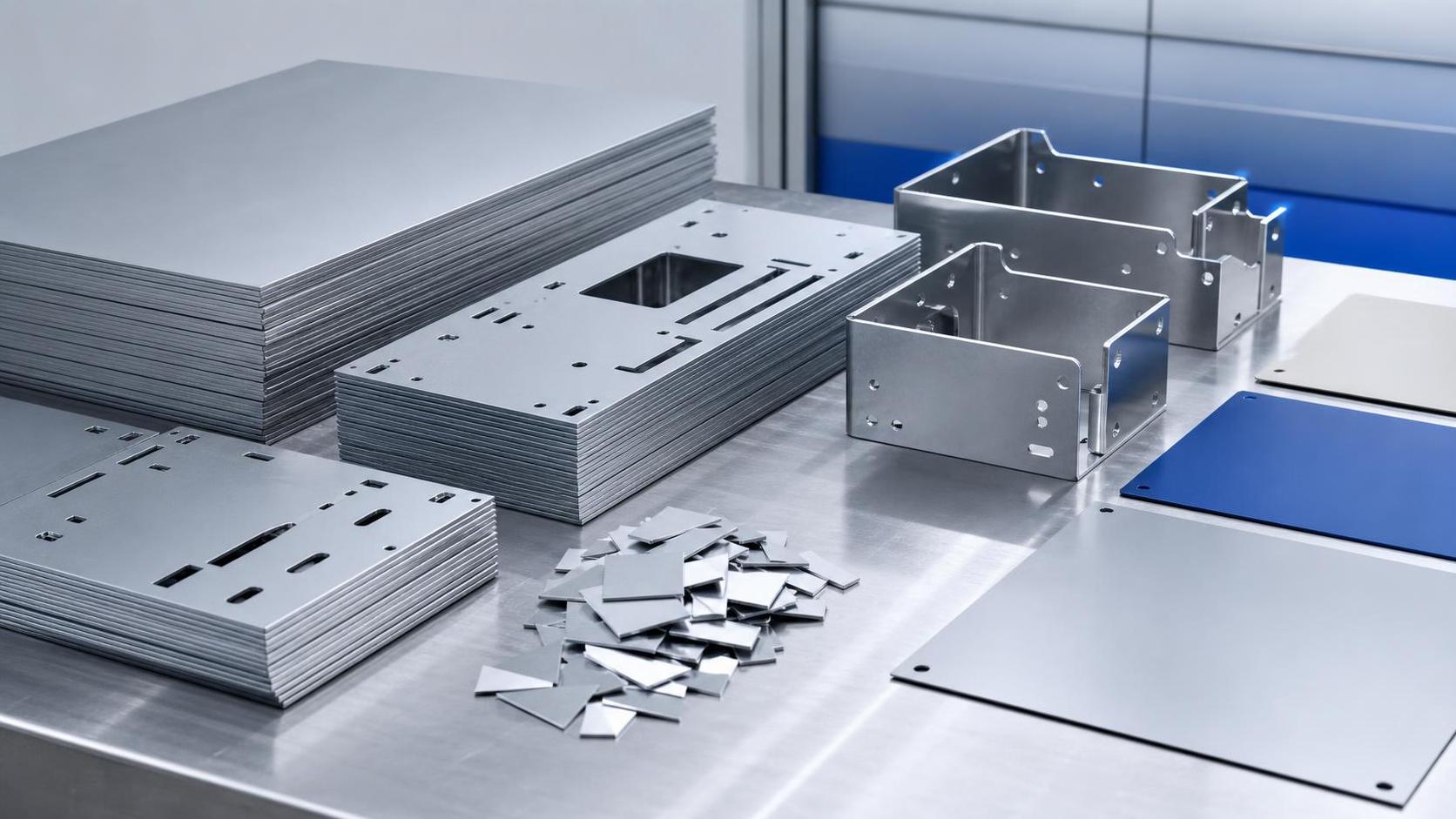
Start with the scrap pattern, not the sheet price
If you are trying to reduce waste on the floor, the first question is simple: where is the scrap actually coming from? In many shops, the problem is not aluminum itself. It is the mismatch between purchased sheet size and the real nesting pattern, bend allowance, trimming margin, or part geometry. That is where aluminum sheet custom supply starts paying off. When operators receive material already closer to the working size, they spend less time cutting down stock, less time handling leftovers, and less time correcting parts that were compromised by rushed sizing decisions.
Before placing an order, review three things from recent jobs: usable yield per sheet, the most common offcut size, and the top reason parts get remade. If the same offcut keeps showing up and cannot be reused in the next batch, that is a purchasing problem disguised as a fabrication problem.
Check the blank size against the full process route
A common mistake is ordering custom blanks based only on the final drawing size. That looks efficient on paper and creates rework in production. The right size has to account for trimming, punching clearance, edge quality, bending sequence, and any clamping or feeding requirement in the machine.
- If the sheet will be laser cut, confirm whether the edge zone needs to stay outside the finished part.
- If it will be bent, include bend allowance and grain direction in the blank review.
- If operators run the sheet through rollers or automated feeders, check minimum gripping area before fixing the custom width.
- If protective film is used, make sure the cut size still fits the intended handling method.
This sounds basic, but many remakes come from a sheet that was technically to size and practically wrong for the route it had to follow.
Do not separate alloy choice from rework control
Waste is not only what goes in the scrap bin. A cracked bend, warped panel, or dented cosmetic face is also waste. For that reason, alloy and temper should be reviewed together with the intended operation. Operators usually feel this before purchasing does: one grade runs cleanly, another fights every bend or leaves too much springback.
For example, if the job is mostly simple forming and surface coverage, a softer temper may support smoother processing. If the part needs stronger structural behavior, the forming window may narrow and tooling setup becomes more sensitive. The point is not to chase the “best” alloy in general. It is to match material behavior to the exact process steps that create scrap in your shop.
Flatness is often the hidden variable
If operators complain about unstable cutting height, poor nesting accuracy, or inconsistent bending, look at sheet flatness before blaming the machine. A custom size will not solve much if the sheet arrives with waviness, local bulging, or surface distortion. Those issues increase setup time and can ruin repeatability across a shift.
This matters even more for coated material used on visible surfaces. In applications such as curtain walls, equipment covers, or decorative panels, high flatness and a uniform finish reduce the chance of cosmetic rejection after fabrication. Where appearance and weather exposure both matter, Color coated Aluminum sheets can fit the job well, especially when the order also matches the working width and required finish consistency. That helps avoid the familiar situation where a part passes dimensional inspection and still gets rejected for visible surface variation.
Review width, length, and handling limits together
Customizing sheet size only works when it fits the shop's real handling conditions. A larger format may improve material yield and still slow the line if it exceeds safe manual handling, rack capacity, table size, or crane rhythm. Operators end up rotating sheets awkwardly, edges get damaged, and the claimed efficiency disappears.
On the supply side, available dimensions can be broad, but your best order size is still the one that fits the entire route from storage to final forming.
Treat surface condition as a production variable
Operators usually see this faster than planners do. A sheet with scratches, coating inconsistency, weak adhesion, or protective film problems may still be usable for hidden parts and completely unsuitable for visible ones. If the job includes punching, bending, or drawing, the surface has to survive that sequence without flaking, peeling, or showing obvious color difference where appearance matters.
For coated products used outdoors or in corrosive environments, your check should include the service condition, not just the incoming appearance. Rain, salts, industrial atmosphere, and repeated cleaning all change what counts as an acceptable finish. That is one reason some teams specify custom material by use case, not only by alloy code.
Lock down the order details that prevent shop-floor confusion
A lot of waste starts with incomplete ordering language. “Custom aluminum sheet” is not enough. The order should clearly state the dimensions, alloy, temper, surface requirement, quantity split, and which face is critical if one side matters more than the other. For coated material, color consistency and appearance acceptance should be tied to the application, especially for parts installed side by side.
If you are sourcing for jobs across construction, transport, industrial equipment, or marine-related applications, the usage environment changes the right answer. A panel for indoor equipment housing is not checked the same way as a sheet for exterior wall exposure or a part near corrosive media. Keep the specification tied to the actual service condition.
Run a short incoming inspection that matches the real failure mode
Do not build a long inspection routine if only two or three defects ever trigger rework. Keep it sharp. Check the dimensions that affect nesting, confirm flatness on a representative sample, inspect the visible surface under usable light, and verify labels against the production order. For coated sheets, adhesion and finish consistency matter more when parts will be bent or exposed after installation.
This is also where the operator's feedback loop matters. If one batch runs differently than the previous one, note whether the issue showed up at cutting, forming, fastening, or final appearance. That gives purchasing something actionable for the next aluminum sheet custom order instead of a vague complaint that the material was “bad.”
Use a simple order sequence when the goal is less waste
A practical sequence works better than a perfect spreadsheet. Start with the part route, not the catalog. Then fix the blank size, confirm the alloy and temper against the forming steps, review surface needs, and only after that settle the custom dimensions and quantity split. If coated material is involved, especially in visible or weather-exposed work, check flatness, color uniformity, and coating adhesion early. That is the order that usually prevents scrap from showing up later as trimming loss, damaged edges, cracked bends, or cosmetic rejections.
Leave A Message
If you are interested in our products and want to know more details, please leave a message here, we will reply you as soon as we can.