


Aluminum Tube Selection Basics for Pressure, Bending, and Joining Needs
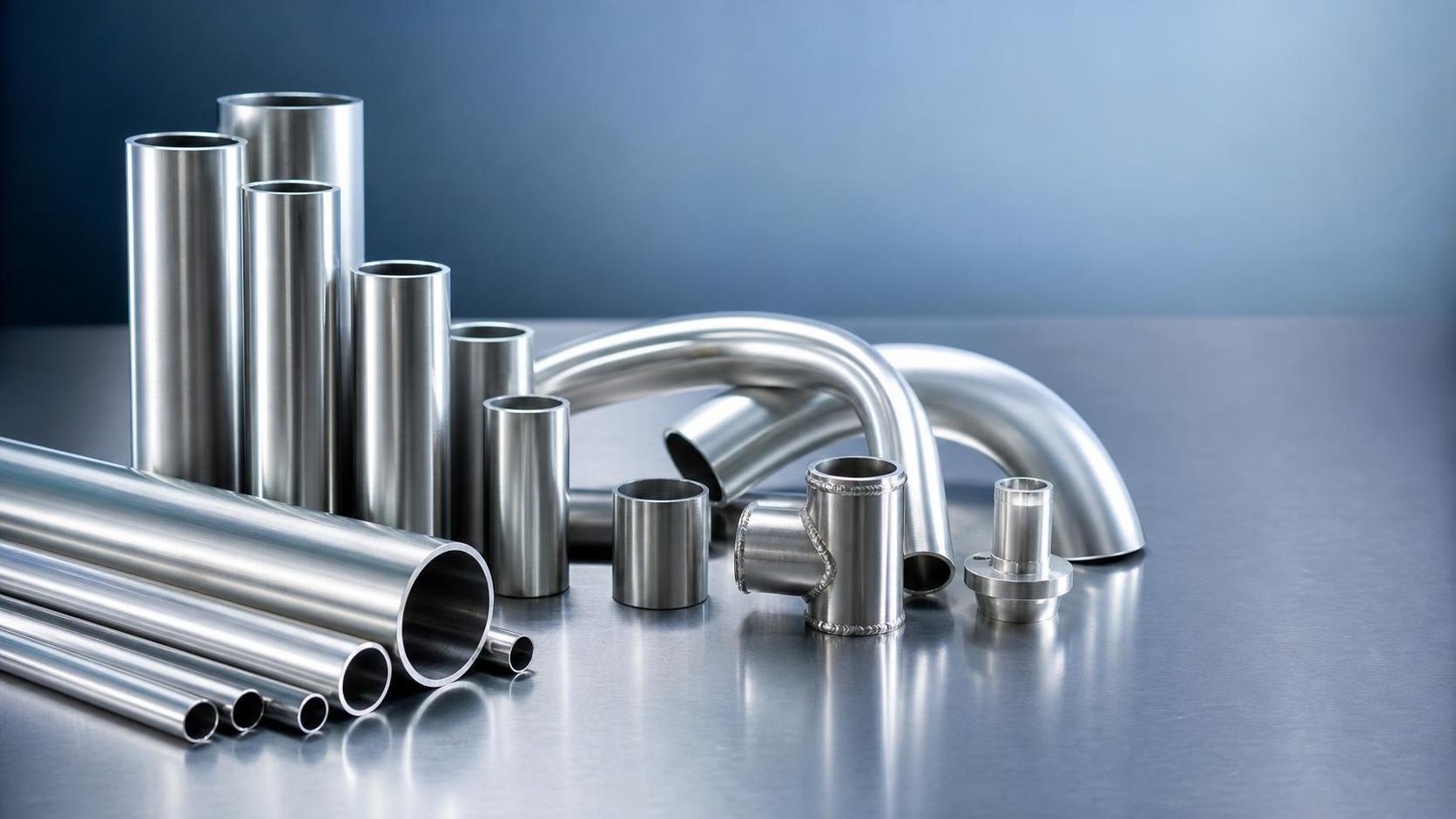
Why does Aluminum tube selection get complicated so quickly?
Because three demands often pull in different directions at the same time: pressure resistance, bendability, and joinability. A tube that performs well under internal pressure may be less forgiving in tight-radius bending. A tube that bends easily may need more attention when you weld or braze it. For anyone comparing material options, the practical starting point is not “Which aluminum tube is best?” but “What exactly will this tube need to survive?”
That means checking the service medium, operating pressure, temperature range, bend radius, joining method, and whether weight, corrosion behavior, or appearance also matter. Once those conditions are clear, alloy and wall thickness decisions become much more logical.
When is an Aluminum tube a sensible choice for pressure service?
It is usually a sensible option when you need a combination of low weight, good corrosion resistance, and workable fabrication. Aluminum tube is widely considered in fluid transfer, heat exchange, structural supports, and lightweight equipment frames. But pressure service is where casual selection causes trouble.
The right question is whether the tube’s alloy, temper, dimensions, and joining method match the pressure level and service environment. If the application includes pulsating pressure, vibration, elevated temperature, or safety-critical containment, you need more than a catalog size. You need the design basis, dimensional tolerance, and the intended fabrication route reviewed together.
Which specifications matter most before comparing alloys?
Before anyone debates alloy grades, these details should be on the table:
- Outside diameter and wall thickness
- Internal or external pressure requirement
- Minimum bend radius
- Joining process: welding, brazing, mechanical fitting, or flaring
- Service temperature
- Corrosion exposure, including moisture, chemicals, or marine conditions
- Whether the tube must keep a clean internal surface or tight dimensional control
If these points are missing, early comparisons tend to be misleading. Two tubes can look similar on paper and still behave very differently once you try to bend, expand, or join them.
Is wall thickness more important than alloy for pressure resistance?
For basic pressure capacity, wall thickness has a very direct effect. A thicker wall generally gives more margin against deformation or failure. That said, it is not smarter to focus on thickness alone. Alloy strength, manufacturing quality, dimensional consistency, and the quality of the seam or joint all affect real performance.
A common mistake is choosing a thin-wall high-strength tube and assuming the job is done. In fabrication, that same tube may crack during bending or lose useful properties near a weld. Another mistake is oversizing the wall without checking weight, formability, or flow requirements. Pressure selection is always a balance, not a single-number decision.
What makes one Aluminum tube easier to bend than another?
Bendability depends heavily on alloy, temper, wall thickness, and the bend radius you need. Softer tempers usually form more easily. Harder tempers may provide higher strength but can be less tolerant of aggressive bending, especially if the radius is small relative to the tube diameter.
The failure signs are familiar: wrinkling on the inside of the bend, flattening across the section, or cracking on the outside radius. If a design needs repeated bends or tight routing, it is worth checking not only whether the material can bend, but whether it can bend consistently in production. That is a different question.
How do you judge whether the bend radius is realistic?
Start with the tube diameter-to-radius relationship and the wall thickness. The tighter the radius and the thinner the wall, the more likely you are to see distortion. If appearance, flow area, or fit-up matters, you also need to consider whether mandrel bending or other support tooling will be used.
A practical screening approach looks like this:
If those four points are not evaluated together, bend performance is mostly guesswork.
Does joining method change the tube you should buy?
Absolutely. A tube intended for welding may not be the best choice for brazing or aggressive mechanical expansion. Joining affects material selection because heat input, surface condition, and post-join strength all matter.
For welded assemblies, heat-affected zones can reduce strength in certain tempers. For brazing, cleanliness and compatibility with filler materials become more important. For compression fittings or flared ends, dimensional accuracy and ductility matter more than headline strength. This is why tubing should be selected around the full fabrication route, not only the end-use load.
What documents should a buyer or researcher check before shortlisting a tube?
At minimum, review the material designation, temper, size tolerance, and any available processing or inspection details. If the application is more demanding, ask for the drawing, specification sheet, and the exact form in which the tube is supplied.
This same habit applies when comparing adjacent materials in a broader fabrication program. For example, if a project includes corrosion-protected steel parts alongside aluminum components, it helps to compare the supply condition in the same disciplined way. A product such as Galvanized coils may be specified by zinc coating range, surface treatment, surface structure, and standards such as ASTM A653 or JIS G3302. Tube selection deserves the same level of document checking rather than a quick grade-only comparison.
What are the most common selection mistakes?
The biggest errors are usually simple:
- Choosing by alloy name alone and ignoring temper.
- Using pressure requirements without considering bending or weld zones.
- Assuming the same tube can handle tight bends, clean cosmetic finish, and high internal pressure with no tradeoff.
- Skipping tolerance checks when the tube must fit fittings, ferrules, or automated assembly.
- Overlooking corrosion conditions at joints, especially where dissimilar materials are present.
Most expensive rework comes from finding these issues late, after tooling or routing has already been fixed.
If you are still at the research stage, what is the best way to narrow options?
Build the shortlist around failure risk, not around a generic material preference. Define the hardest requirement first. If the tube must safely contain pressure, start there. If the geometry is tight and complex, start with bending limits. If leak-tight joining is the hardest part, begin with the joining process and work backward to alloy and temper.
In practice, the most reliable path is to lock down six items before comparing quotes or samples: medium, pressure, temperature, bend radius, joining method, and dimensional tolerance. Once those are fixed, Aluminum tube selection becomes much less subjective and much more useful for real engineering decisions.
Leave A Message
If you are interested in our products and want to know more details, please leave a message here, we will reply you as soon as we can.