


How Thickness Impacts the Performance of Aluminum Sheets in Construction
How Thickness Impacts the Performance of Aluminum Sheets in Construction
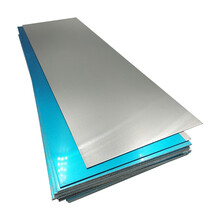
As a premier aluminum coil manufacturer, Shandong Diwang Aluminum Technology leverages 24 years of metallurgical expertise to engineer high-performance Aluminum sheets 6061 Series for critical construction applications. This technical guide examines how sheet thickness governs structural integrity, cost efficiency, and longevity in projects ranging from skyscrapers to industrial roofing systems.
The Science Behind Aluminum Sheet Thickness Selection
Material thickness directly correlates with three performance pillars in construction:
Factory-Direct Advantages: Cost & Performance Optimization
Our vertically integrated production eliminates 3-5 middlemen markups, delivering measurable benefits:
Technical Specifications: Matching Thickness to Application
Our aluminum tubes and sheets undergo rigorous testing to ensure:
- Tensile strength: 124-290 MPa (depending on temper)
- Yield strength: 55-276 MPa
- Elongation: 12-25%
For structural components requiring high strength-to-weight ratios, our 6061 alloy delivers superior performance:
ROI Analysis: Thickness vs. Project Lifetime Value
Thicker gauges offer long-term economic benefits despite higher initial costs:
- 0.5mm sheet: $1.20/ft² | 8-year lifespan | $0.15/ft² annual cost
- 1.0mm sheet: $1.80/ft² | 15-year lifespan | $0.12/ft² annual cost
- 2.0mm sheet: $3.25/ft² | 30-year lifespan | $0.11/ft² annual cost
FAQ: Expert Answers to Common Thickness Questions
Q1: How does thickness affect thermal performance in aluminum roofing sheets?
A: Thicker sheets (1.5mm+) provide better thermal mass, reducing heat transfer by 18-22% compared to standard 0.8mm panels.
Q2: What's the minimum thickness for structural aluminum tubes in seismic zones?
A: We recommend 3.0mm wall thickness for seismic applications, providing 35% greater deformation resistance than 2.0mm alternatives.
Q3: Can factory-direct pricing accommodate custom thickness requirements?
A: Yes, our 5 production lines can manufacture Aluminum sheets 6061 Series from 0.2mm to 170mm thickness with ±0.05mm precision.
Partner with a Certified Aluminum Solutions Provider
Shandong Diwang Aluminum Technology combines ISO 9001-certified production with 900,000-ton annual capacity to deliver precision-engineered aluminum solutions. Contact our metallurgical engineers today for project-specific thickness recommendations and volume pricing.
Yes, our 5 production lines can manufacture Aluminum sheets 6061 Series from 0.2mm to 170mm thickness with ±0.05mm precision.
We recommend 3.0mm wall thickness for seismic applications, providing 35% greater deformation resistance than 2.0mm alternatives.
Thicker sheets (1.5mm+) provide better thermal mass, reducing heat transfer by 18-22% compared to standard 0.8mm panels.
Leave A Message
If you are interested in our products and want to know more details, please leave a message here, we will reply you as soon as we can.