


Aluminum Tube Specifications That Impact Quotation Accuracy
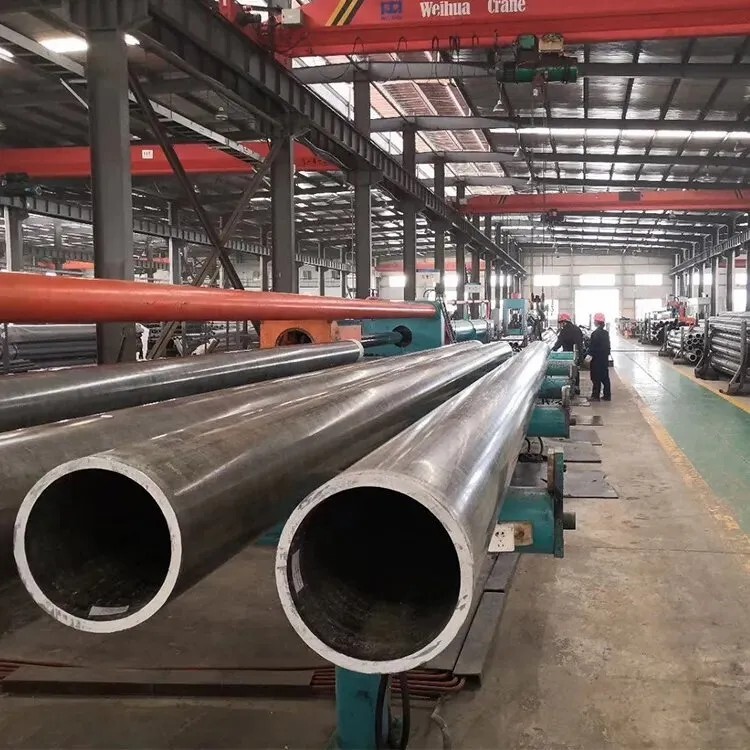
Accurate aluminum tubes quotation requires deep understanding of technical specifications that impact pricing. As a leading manufacturer of color coated aluminum coil and precision aluminum tubing solutions, Diwang Aluminum reveals 5 critical specifications procurement and quality control professionals must evaluate - from alloy grades to dimensional tolerances - to ensure cost-effective purchasing decisions without compromising material performance in demanding applications.
Key Aluminum Tube Specifications That Affect Pricing
When requesting quotes for aluminum tubes, buyers often focus solely on diameter and wall thickness while overlooking other critical parameters that significantly impact material costs and performance. Understanding these specifications helps procurement teams avoid costly mismatches between project requirements and supplied materials.
The five most influential technical specifications include:
- Alloy composition and temper designation
- Dimensional tolerances (OD, ID, wall thickness)
- Surface finish requirements
- Mechanical property specifications
- Certification and testing requirements
Each factor contributes 15-30% to the final price variation for aluminum tubing across different grades and specifications.
Alloy Selection: Balancing Cost and Performance
Aluminum alloy choice directly impacts both material costs and application suitability. While pure aluminum like the Aluminum sheets 1100 Series offers excellent corrosion resistance and formability, most structural applications require alloyed grades for enhanced strength.
For applications requiring good formability and corrosion resistance without structural demands, 1100 series aluminum offers cost advantages while maintaining excellent welding and bending characteristics.
Dimensional Tolerances: The Hidden Cost Factor
Tighter dimensional tolerances on outer diameter (OD), inner diameter (ID), and wall thickness directly impact manufacturing costs. Standard tolerances typically follow ASTM B483 specifications, but custom requirements can increase pricing by 15-40%.
Common Tolerance Classes
- Commercial grade: ±0.010" OD, ±0.015" wall thickness
- Precision grade: ±0.005" OD, ±0.010" wall thickness
- Ultra-precision: ±0.002" OD, ±0.005" wall thickness
For most industrial applications, commercial grade tolerances provide sufficient precision without unnecessary cost premiums. However, hydraulic systems or precision mechanical components may require tighter specifications.
Surface Finish and Treatment Requirements
Surface specifications significantly affect aluminum tube pricing, with common options ranging from mill finish to specialized coatings. The choice depends on both functional requirements and aesthetic considerations.
For decorative applications or components requiring painting, the Aluminum sheets 1100 Series provides an excellent base material with its naturally smooth surface and oxidation characteristics.
Certification Requirements That Impact Lead Times
Material certifications add verification steps that affect both pricing and delivery schedules. Common requirements include:
- Mill test certificates (MTC)
- Third-party material analysis
- ASME or PED compliance
- RoHS/REACH compliance
Each additional certification typically adds 3-7 business days to lead time and 5-15% to material costs. For non-critical applications, basic MTC often provides sufficient documentation.
Optimizing Your Aluminum Tube Purchasing Strategy
To balance cost and performance in aluminum tube procurement, consider these best practices:
- Clearly define actual application requirements before specifying tolerances
- Select alloy grades based on mechanical needs rather than over-specifying
- Standardize on commercial grade finishes unless absolutely necessary
- Request quotes with and without optional certifications
- Consider ordering slightly oversized material for machining allowances
Why Partner with Diwang Aluminum for Your Tubing Needs
With 20+ years of aluminum manufacturing expertise and 5 advanced production lines, Diwang Aluminum provides:
- Precision aluminum tubing in diameters from 5mm to 300mm
- Custom alloy formulations and tempers
- ISO 9001 certified quality management
- 30+ country export experience with compliant documentation
Our technical team can help optimize your specifications for both performance and cost-efficiency. Contact us today for a detailed quotation analysis based on your exact requirements.
Leave A Message
If you are interested in our products and want to know more details, please leave a message here, we will reply you as soon as we can.