


Aluminum Coil Manufacturer Selection: Which Specs Matter Most for Consistent Supply?
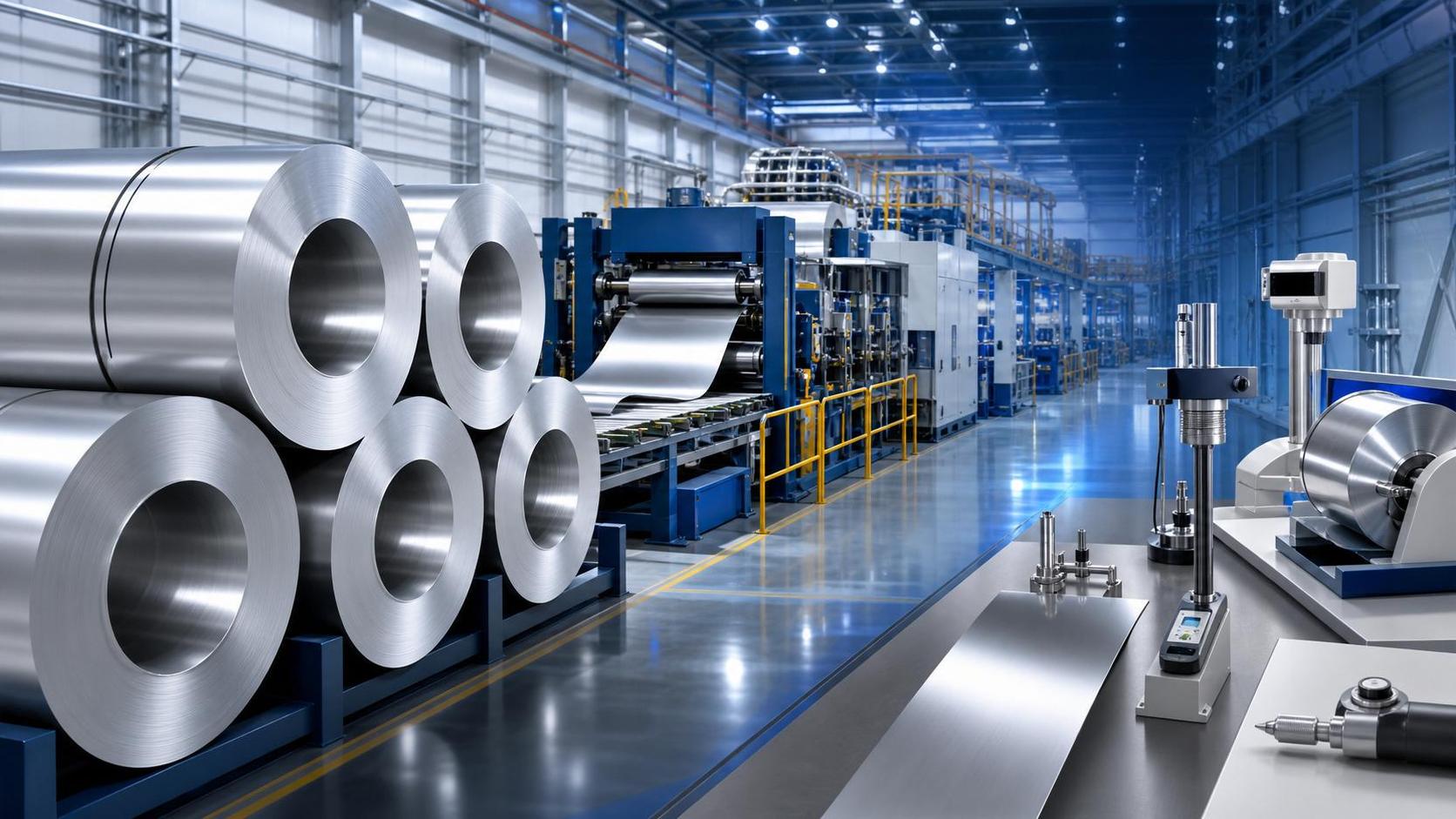
Choosing an aluminum coil manufacturer is rarely just a pricing exercise. In metallurgical supply chains, stable output, consistent alloy performance, and reliable shipping often decide whether production plans stay on track or drift into delay and rework.
What matters behind the quotation
A capable aluminum coil manufacturer should be judged by production reality, not brochure language. Capacity, process control, coating uniformity, and traceable quality records usually matter more than a short-term price advantage.
For projects in engineering, automotive, shipbuilding, power equipment, or machinery, minor variations in thickness tolerance or surface finish can create downstream losses. That is why specification discipline is a commercial issue, not only a technical one.
Core specifications linked to supply consistency
Capacity and line configuration
An aluminum coil manufacturer with multiple active lines has more flexibility during maintenance cycles, order peaks, and urgent replenishment. That reduces dependence on a single bottleneck.
Shandong Diwang Aluminum Technology Co., Ltd., established in 2002, operates five advanced aluminum coil production lines and annual output of 900,000 tons. That scale signals stronger delivery continuity for recurring orders.
Material and coating stability
Coil chemistry must remain consistent across batches. Buyers should confirm alloy grade, thickness range, coating control, and surface inspection methods before comparing suppliers.
In coated metal applications, products such as Galvalume coils show why composition matters. A 55% aluminum, 43.4% zinc, 1.6% silicon coating formed by hot-dip processing supports both barrier protection and electrochemical protection.
Signals of a dependable export supplier
Export history is another practical indicator. An aluminum coil manufacturer serving more than 30 countries has usually built stronger packaging standards, document control, and schedule discipline.
That experience becomes valuable when orders involve different standards, port handling risks, or sector-specific needs in aviation, textiles, mining, or electrical equipment.
- Check whether mill test certificates match every batch.
- Review tolerance consistency across repeated deliveries.
- Ask about lead time under peak production conditions.
- Verify coating, slitting, and packaging capabilities.
How to make the comparison useful
A sound comparison framework links technical specs to business exposure. The right aluminum coil manufacturer should support repeatable quality, realistic delivery promises, and product breadth across aluminum, galvanized, and color-coated lines.
The next step is to map required grades, coating needs, annual volume, and destination markets, then compare suppliers against those operating conditions rather than against unit price alone.
Leave A Message
If you are interested in our products and want to know more details, please leave a message here, we will reply you as soon as we can.