


Aluminum Sheet Custom Trends Shaping Fabrication Demand in 2026
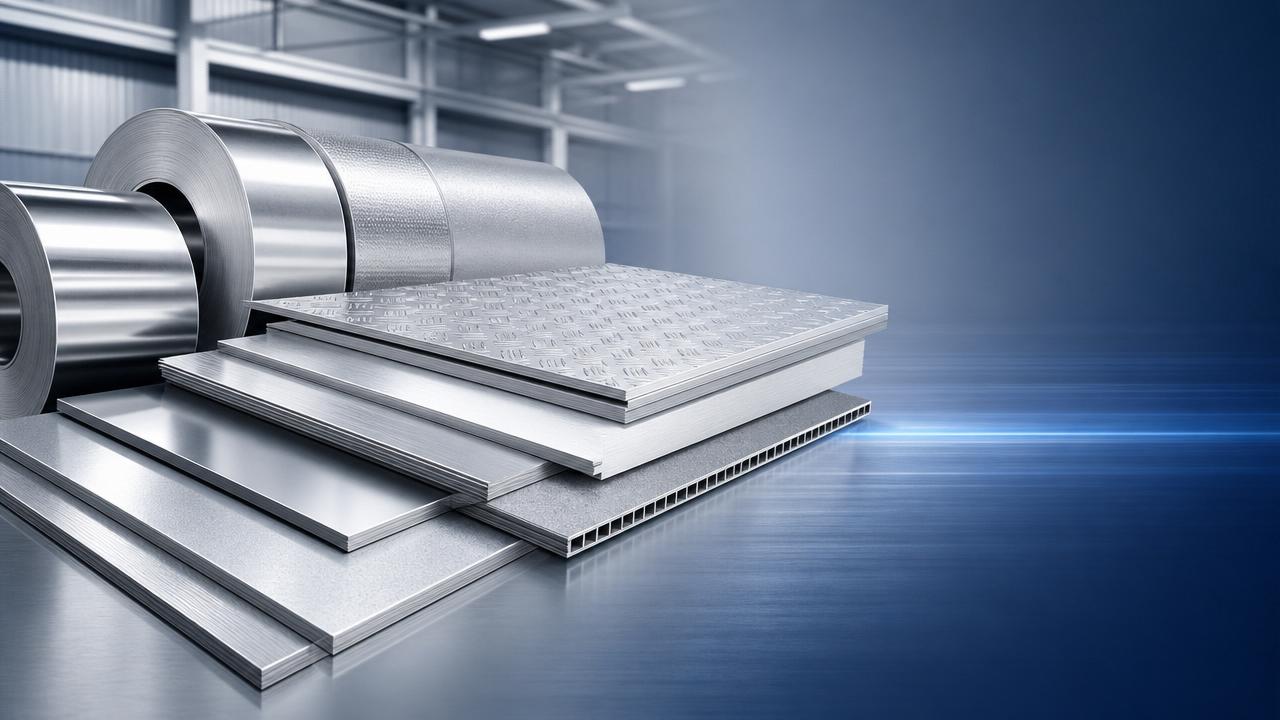
As fabrication demand evolves in 2026, aluminum sheet custom solutions are becoming a key growth driver for distributors, agents, and wholesalers serving diverse industrial markets. From lighter designs to faster turnaround and application-specific specifications, buyers now expect more flexibility and reliability. Understanding these custom trends can help channel partners capture new orders, improve margins, and respond more competitively to changing global manufacturing needs.
Why aluminum sheet custom demand is changing for distributors in 2026
The metal materials market is no longer driven by standard stock alone. More buyers now want cut-to-application aluminum sheet custom options that match weight targets, forming requirements, corrosion conditions, and downstream processing needs.
For distributors and agents, this shift creates both pressure and opportunity. Pressure comes from shorter lead-time expectations and more technical inquiries. Opportunity comes from higher-value orders, stronger customer retention, and less direct price competition on commodity grades.
In sectors such as transportation, construction, machinery, marine equipment, and appliances, aluminum is selected not only for light weight but also for workability, corrosion behavior, conductivity, and surface finish. That is why custom sheet demand is becoming more specification-driven.
- More projects require exact temper, thickness, width, and flatness rather than general-purpose sheet.
- OEM and fabrication buyers want materials aligned with stamping, bending, welding, anodizing, or coating processes.
- Regional distributors need supply partners that can support volume stability as well as mixed-order flexibility.
What this means for channel partners
If you only sell by price per ton, margins become vulnerable. If you help customers define alloy, temper, dimensions, surface treatment, and delivery planning, you move closer to solution selling. In 2026, that difference matters more than ever.
Which aluminum sheet custom trends are shaping fabrication demand?
The following trend summary helps distributors evaluate where customer inquiries are heading and which supply capabilities are becoming commercially important.
These trends show that aluminum sheet custom business is moving from simple stock distribution toward technical coordination. Buyers increasingly reward suppliers that reduce fabrication risk before production begins.
Trend 1: More demand for process-ready specifications
Fabricators want materials that fit their machines and workflows. Instead of ordering only by alloy, they now specify bending performance, weldability, corrosion resistance, and surface condition. This is common in curtain walls, enclosures, machine housings, and transport components.
Trend 2: Surface function is becoming a selling point
Custom surface solutions are gaining attention in decorative, anti-slip, appliance, and industrial uses. For example, Embossed Aluminum sheets can add visual texture, improve handling characteristics in some applications, and support differentiated inventory for distributors serving construction, packaging, and equipment markets.
How should distributors evaluate alloys, tempers, and dimensions?
Not every aluminum sheet custom inquiry should be answered with the same grade. Selection depends on forming method, corrosion environment, and the end-use industry. A wrong recommendation may cause cracking, coating failure, extra scrap, or unnecessary cost.
The table below gives a practical framework for channel partners discussing options with fabrication buyers.
This selection logic helps reduce quoting errors. It also gives distributors a stronger basis for discussing margin, because they are not just selling metal; they are reducing manufacturing uncertainty.
Useful grade directions by application
- 1000 series can suit applications needing high conductivity, reflectance, and simple forming.
- 3000 series is often chosen for good rust resistance and broad general-purpose fabrication.
- 5000 series is widely considered where stronger corrosion resistance and weldability matter, including marine and transport use.
- 6000 series is relevant when buyers balance machinability, structural use, and finishing needs.
What purchasing pain points should agents and wholesalers solve first?
1. Unclear customer specifications
Many buyers ask for aluminum sheet custom products without defining forming method, service environment, or required temper. This causes rework and quotation delays. A better approach is to use a structured checklist before pricing.
2. Price pressure versus performance expectations
Low price and high performance rarely align automatically. Channel partners should discuss total fabrication cost, not just metal cost. Better flatness, coating adhesion, corrosion resistance, and dimensional accuracy can lower waste and complaint risk.
3. Lead time and supply stability
A custom order loses value if supply is unstable. This is where production depth matters. Shandong Diwang Aluminum Technology Co., Ltd., established in 2002, integrates design, research and development, production, and comprehensive sales. With more than 300 employees and 5 domestically advanced aluminum coil production lines, the company supports broad aluminum and galvanized product needs with an annual output of 900,000 tons.
For distributors serving engineering, machinery, automotive, shipbuilding, textiles, electricity, and aviation-related demand, that manufacturing base can help support continuity across both standard and customized orders.
Recommended pre-quotation checklist
- Confirm alloy series, temper, and whether the part will be bent, stamped, welded, or anodized.
- Define sheet or coil format, thickness tolerance, width, and required cutting length.
- Ask whether surface consistency, decorative appearance, or anti-corrosion performance is critical.
- Check target market requirements, including documentation, packaging method, and shipment schedule.
How custom surface and performance features support higher-value sales
In 2026, buyers are not evaluating sheet metal only by base alloy. They also look at flatness, color consistency, coating durability, weather resistance, and fabrication behavior. These details affect resale success for distributors because downstream users notice them quickly.
For example, products with high flatness and strong coating adhesion are better positioned for external walls, decoration panels, appliance facings, and industrial covers. Good corrosion resistance and weldability matter more in transport ship components, storage equipment, containers, and marine-related structures.
Distributors can also benefit from offering specialized lines such as patterned or decorative materials. A product line like Embossed Aluminum sheets may fit customer projects in building curtain walls, home appliance decoration, packaging, and mechanical applications where appearance and handling performance both matter.
How to compare stock sheet versus aluminum sheet custom supply
Many buyers still ask whether standard stock is enough. The answer depends on order frequency, fabrication complexity, and tolerance sensitivity. The comparison below can guide that decision.
For many distributors, the best portfolio is not one or the other. It is a mix: stock for speed, semi-custom for recurring accounts, and full custom for project-driven profit growth.
FAQ: common questions about aluminum sheet custom orders
How do I choose the right alloy for a fabrication customer?
Start with application conditions: indoor or outdoor use, corrosive environment, structural load, and whether the part will be bent or welded. Then narrow down by alloy family and temper. If the customer cannot describe the alloy, ask about the process first.
What specifications matter most in an aluminum sheet custom inquiry?
The most important points are alloy, temper, thickness, width, length, surface requirement, and end use. For many fabrication jobs, these details are more important than simply asking for a sheet by grade name.
Are custom sheets always more expensive?
Not necessarily in total cost. Custom sizing can reduce scrap. The right temper can lower breakage risk. Better flatness and surface consistency can reduce rework. A slightly higher material price may produce a lower production cost for the buyer.
Which sectors are driving future demand?
Construction systems, transportation, machinery, marine applications, appliance decoration, industrial equipment, and packaging continue to support demand. Buyers in these sectors increasingly prefer specification-based aluminum sheet custom supply over generic stock.
Why choose us for custom aluminum supply planning?
For distributors, agents, and wholesalers, supplier choice is not only about current stock. It is about whether your source can support technical communication, stable production, broad product coverage, and export-ready coordination.
Shandong Diwang Aluminum Technology Co., Ltd. combines production and sales capabilities across aluminum coils, sheets, rods, foil, tubes, alloys, profiles, galvanized products, and color-coated materials. The company’s products are exported to more than 30 countries and are used across engineering, coal mining, textiles, electricity, machinery, military industry, aviation, automobiles, and ships.
- You can consult on alloy and temper matching for specific fabrication scenarios.
- You can confirm available dimensions, sheet or coil format, and delivery planning before quotation.
- You can discuss surface requirements, including decorative and application-specific options.
- You can request support for sample evaluation, custom solution discussion, packaging details, and export order coordination.
If your customers are asking for tighter specifications, more stable lead times, or better-performing alternatives in 2026, now is the right time to review your aluminum sheet custom sourcing strategy. Contact us to discuss parameter confirmation, product selection, delivery cycle, sample support, certification-related documentation needs, and quotation planning for your target market.
Leave A Message
If you are interested in our products and want to know more details, please leave a message here, we will reply you as soon as we can.