


Aluminum Coils in Manufacturing: Which Industries Use Them and Why?
Why Aluminum Coils Matter in Manufacturing
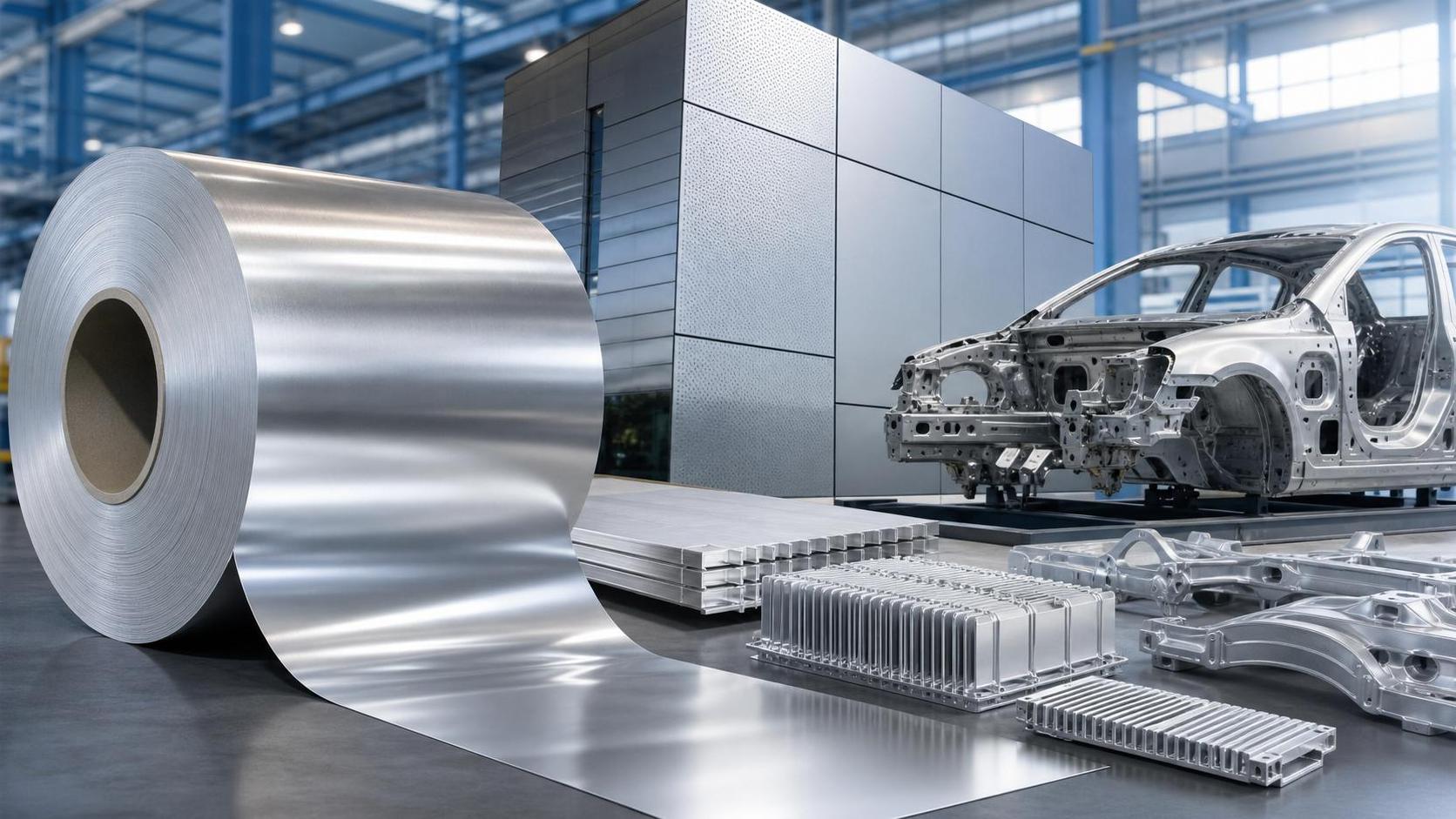
Aluminum coils sit at the center of many manufacturing processes because they balance low weight, corrosion resistance, formability, and stable cost performance.
That combination matters in metallurgical materials, where production efficiency often depends on how easily a metal can be cut, stamped, coated, welded, or rolled.
For this reason, aluminum coils are not limited to one sector. They support building systems, transport equipment, electrical components, packaging, and industrial machinery.
Where They Are Used
From industry application patterns, the most common demand comes from sectors that need a material with predictable processing behavior and long service life.
What Buyers Usually Compare
In actual selection, the question is rarely just whether aluminum coils are suitable. The real issue is which alloy, temper, and finish fit the end use.
- Surface condition for coating, decoration, or exposed architectural use
- Strength and formability for stamping, bending, or deep drawing
- Corrosion resistance for marine, outdoor, or chemical environments
- Conductivity or reflectance for electrical or thermal applications
- Supply stability, especially for large-volume production programs
A Practical Material Reference
One useful comparison point is Aluminum sheets 1060 Series, often considered when purity, conductivity, appearance, and cold-work formability matter.
With Al>99.0%, good corrosion resistance, smooth surface quality, and mirror-finish potential, it fits electronics, packaging, decoration, and heat dissipation scenarios.
That also helps explain a broader rule: aluminum coils and related sheet products are usually selected by processing route, not by price alone.
Why Supply Background Also Matters
Material performance depends on more than alloy data. Production capacity, quality control, and export experience influence consistency across batches.
Shandong Diwang Aluminum Technology Co., Ltd., established in 2002, combines design, research, production, and sales across aluminum, galvanizing, and color coating lines.
With over 300 employees, five advanced aluminum coil lines, annual output of 900,000 tons, and exports to more than 30 countries, its business context reflects broad industrial demand.
How to Read the Next Step
A useful next move is to map the application first: indoor or outdoor use, structural or decorative duty, forming depth, conductivity needs, and expected service environment.
From there, compare aluminum coils by alloy family, temper, thickness range, surface finish, and delivery reliability. That usually leads to a clearer and more defensible material decision.
Leave A Message
If you are interested in our products and want to know more details, please leave a message here, we will reply you as soon as we can.