


The impact of alloy composition on aluminum coil durability in industrial settings
Understanding Aluminum Alloy Composition
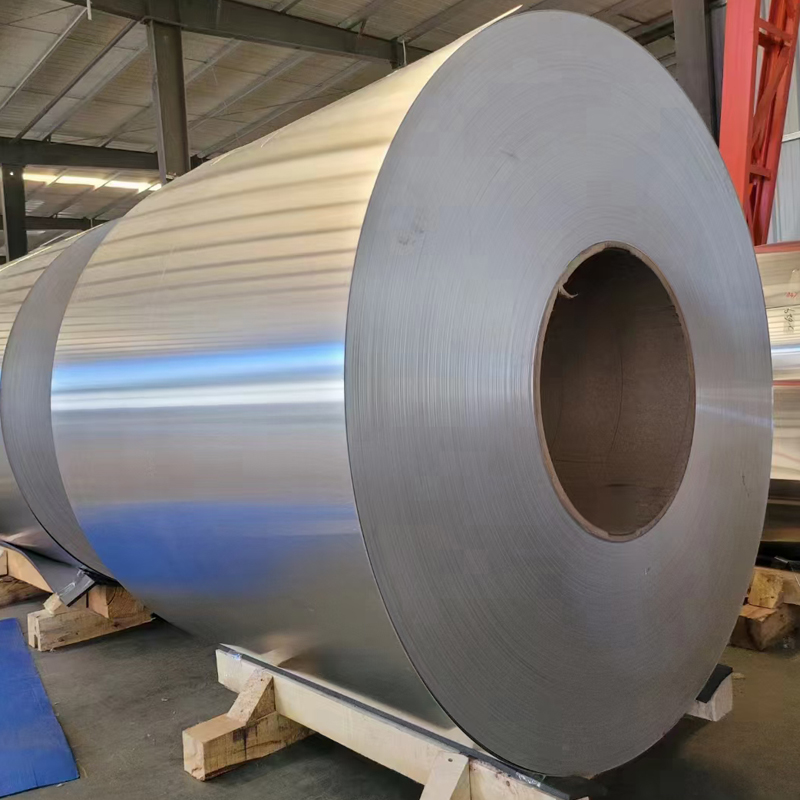
In industrial applications, the durability of aluminum coils is critically influenced by their alloy composition. As quality control professionals and project managers seek reliable materials for demanding environments, understanding how specific alloy elements enhance corrosion resistance and mechanical strength becomes paramount. This article examines the impact of alloy composition on aluminum sheet and coil performance, offering insights to optimize material selection for sectors like construction, automotive, and aerospace.
Aluminum alloys are categorized into series based on their primary alloying elements. Each series offers distinct properties that determine suitability for specific industrial applications. The 1000 series, for example, contains 99% pure aluminum and is known for excellent corrosion resistance but lower strength compared to other alloys.
For structural applications requiring higher strength-to-weight ratios, the 6000 and 7000 series alloys are often preferred. These alloys incorporate magnesium and silicon (6000 series) or zinc (7000 series) to achieve tensile strengths ranging from 200-500 MPa, making them ideal for aerospace components and high-stress structural elements.
Key Alloying Elements and Their Effects
- Magnesium (Mg): Enhances strength without compromising weldability (5000 series)
- Silicon (Si): Improves castability and reduces melting temperature (4000 series)
- Copper (Cu): Increases strength but decreases corrosion resistance (2000 series)
- Zinc (Zn): Provides the highest strength when combined with magnesium (7000 series)
- Manganese (Mn): Improves work hardening characteristics (3000 series)
Performance Comparison Across Alloy Series
When selecting aluminum coils for industrial applications, understanding the performance trade-offs between different alloy series is crucial. The following table compares key characteristics of common aluminum alloy series:
The 5000 series alloys, particularly 5083 and 5086, offer an optimal balance between strength and corrosion resistance, making them suitable for harsh marine environments. These alloys maintain 90% of their strength after prolonged exposure to saltwater, with typical service lives exceeding 20 years in properly maintained applications.
Industrial Application Considerations
When specifying aluminum coils for industrial settings, project managers must consider multiple factors beyond basic alloy composition. Environmental conditions, mechanical loads, and fabrication requirements all influence material selection.
Corrosion Resistance Requirements
For applications exposed to corrosive elements like saltwater or chemicals, the 5000 series alloys provide superior performance. The magnesium content in these alloys (typically 2-6%) forms a protective oxide layer that resists pitting and crevice corrosion. In extreme conditions, additional surface treatments like anodizing can extend service life by 30-50%.
Our Aluminum Bar products in the 5000 series meet ASTM B221 standards and are available in diameters from 5-600mm, suitable for marine construction and chemical processing equipment.
Strength and Fatigue Considerations
Dynamic load applications such as aircraft components or automotive structures require alloys with high fatigue resistance. The 7000 series, particularly 7075-T6, offers fatigue limits up to 40% higher than standard 6000 series alloys, making it ideal for components subjected to repeated stress cycles.
Quality Control and Certification
Industrial users should verify that aluminum coil suppliers maintain strict quality control measures throughout production. Key certifications to request include:
- ASTM B209 for aluminum sheet and plate
- EN 485 for European standards compliance
- ISO 9001 for quality management systems
- Material test reports (MTRs) confirming chemical composition
- Mechanical property test certificates
Our production facilities implement 12-point quality checks throughout the manufacturing process, from raw material inspection to final coil testing. This ensures consistent mechanical properties within ±5% of specified values and chemical composition compliance with international standards.
Frequently Asked Questions
How does alloy composition affect aluminum coil pricing?
Alloy composition significantly impacts material costs, with specialized alloys (7000 series) typically costing 20-40% more than standard alloys (3000 series). However, the total cost of ownership should consider durability and maintenance requirements - higher-grade alloys often provide better long-term value in demanding applications.
What's the minimum thickness for industrial-grade aluminum coils?
Standard industrial coils range from 0.2mm to 6.0mm thickness, with 0.5-3.0mm being most common for manufacturing applications. Thinner gauges (0.2-0.5mm) are used for packaging and electrical applications, while thicker coils (3.0-6.0mm) serve structural purposes.
How does temper designation affect coil performance?
Temper designations (O, H, T) indicate the mechanical treatment applied to the aluminum. H-tempered coils (H18, H32) offer higher strength through work hardening, while T-tempered alloys (T6, T651) achieve maximum strength through heat treatment. O-temper provides maximum formability but lowest strength.
Why Choose Our Aluminum Solutions
With over 20 years of experience in aluminum production, we offer comprehensive solutions for industrial applications:
- 5 advanced production lines with 900,000-ton annual capacity
- Custom alloy formulations to meet specific performance requirements
- Export experience to 30+ countries with international certifications
- Technical support for material selection and application engineering
- Flexible production runs from prototype to mass production
For projects requiring specialized aluminum alloys, our engineering team can recommend optimal compositions balancing cost, performance, and manufacturability. Contact us to discuss your specific requirements for corrosion resistance, strength, or fabrication characteristics.
Leave A Message
If you are interested in our products and want to know more details, please leave a message here, we will reply you as soon as we can.