


Aluminum Coil vs Sheet: Which Fits Your Order Better?
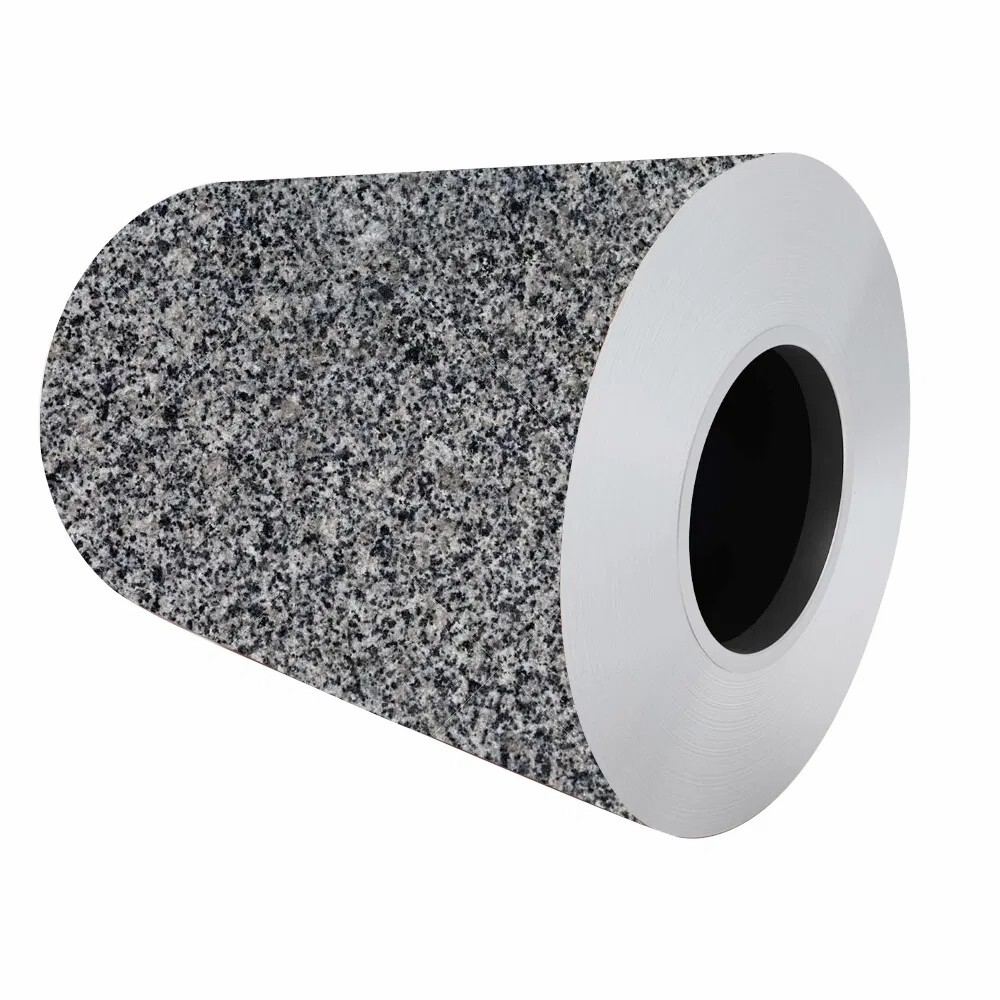
Choosing between Aluminum coil and sheet affects procurement cost, processing efficiency, shipping, and inventory control. For buyers and budget approvers, understanding the real differences helps prevent overordering and production waste. As a reliable color coated aluminum exporter, Shandong Diwang Aluminum Technology Co., Ltd. supplies aluminum solutions for diverse industrial applications, helping customers select the format that best matches performance needs and purchasing plans.
What is the real difference between aluminum coil and sheet in purchasing terms?
In metallurgical materials procurement, aluminum coil and aluminum sheet may come from the same base alloy, but they are not equal in ordering logic. Coil is continuous rolled material supplied in wound form, usually preferred for automated feeding, slitting, stamping, and high-volume processing. Sheet is cut-to-size flat material, typically selected when the buyer needs direct use, easier handling, or smaller batch consumption.
For procurement personnel, the difference is not only format. It directly influences 4 key decision areas: unit price structure, material yield, warehouse space, and downstream fabrication efficiency. For finance approvers, the choice affects cash flow because coil orders are often linked to larger tonnage, while sheet orders may reduce inventory pressure but increase per-unit processing cost.
In practice, buyers usually compare 3 dimensions first: how the material will be processed, how much monthly volume is required, and whether internal equipment can handle coil decoiling. A plant with leveling, slitting, or roll-forming lines often benefits from coil supply. A factory relying on manual cutting, job-shop fabrication, or project-based installation may prefer sheet.
Shandong Diwang Aluminum Technology Co., Ltd., established in 2002, supports both product-based and application-based material supply decisions. With more than 300 employees, 5 domestically advanced aluminum coil production lines, and annual output of 900,000 tons, the company can respond to recurring volume demand as well as diversified industrial specifications across engineering, machinery, vehicles, ships, and electrical applications.
How buyers usually define the two formats
- Aluminum coil: continuous material supplied with a common internal diameter such as 508 mm or 610 mm in many industrial handling systems, suitable for continuous processing.
- Aluminum sheet: flat cut pieces supplied by thickness and length requirement, suitable for direct fabrication, bending, punching, or site installation.
- Plate: thicker flat material, often chosen when structural strength or machining allowance matters more than high-speed feeding.
A quick comparison for order planning
Before comparing quotations, it helps to align internal teams around the operational difference. The table below focuses on procurement and approval concerns rather than only product form.
The table shows why format choice should be tied to factory capability, not only quotation. A lower material price on coil can become a higher total cost if the buyer must outsource leveling or tolerate excessive scrap. By contrast, sheet may look more expensive per ton but still reduce total landed and usable cost in small and irregular production runs.
Which format fits different application scenarios better?
Application scenario is often the fastest route to a correct choice. In the metallurgical materials sector, aluminum coil is common where production is continuous and demand is stable across 2–4 weeks or longer. Aluminum sheet is more practical where dimensions vary by project, where job sequencing changes frequently, or where operators need immediate flat blanks without additional equipment setup.
For engineering contractors, ventilation component makers, appliance panels, transportation parts, and color-coated surface systems, coil usually supports better throughput. For maintenance departments, small fabrication shops, architectural trim work, and custom enclosures, sheet often supports better flexibility. This distinction matters when procurement must balance production rhythm against inventory aging risk.
Buyers should also think about handling conditions. Coil is efficient but heavier, and common coil weights in industrial supply can reach several metric tons. Sheet is easier to distribute to different workshops in smaller lots. If a facility processes less than one stable specification per week, sheet can sometimes improve control even when its nominal purchase price is higher.
Diwang serves industries such as engineering, coal mining, textiles, electricity, machinery, aviation, automobiles, and ships. This cross-sector experience helps match form selection to end-use conditions rather than relying on generic recommendations. In many cases, the correct decision comes from aligning alloy, thickness range, surface expectation, and downstream process in one purchasing plan.
Typical scenarios where coil is the stronger choice
- Color coating, slitting, and roll-forming lines that run continuously and need stable input for daily or weekly production.
- High-volume OEM components where repeated width and thickness specifications help reduce setup frequency and scrap rates.
- Export manufacturing with container loading plans based on tonnage efficiency and consolidated supply scheduling.
Typical scenarios where sheet is more practical
- Custom fabrication with frequent size changes, where buying ready-to-use sheets saves internal cutting time.
- Repair and replacement demand, especially when buyers need quick access to a few pieces instead of a full coil.
- Facilities without decoiling, leveling, or coil-lifting equipment, where safer and simpler handling is a priority.
Application-oriented selection table
The next table helps procurement teams match material form to plant conditions, output pattern, and approval logic.
A scenario-based selection model helps both procurement and finance. It translates a material choice into throughput, labor, storage, and working-capital impact. That makes approvals easier because the decision is supported by operational reasoning, not only by supplier preference.
How do cost, yield, and budget approval change with coil vs sheet?
When finance teams review aluminum orders, they usually ask one question first: what is the real cost after processing and waste? That is the right question. Coil often gives a stronger raw material economy in medium and large volumes, but total cost depends on 5 factors: purchase quantity, conversion equipment, scrap rate, labor intensity, and delivery format required by production.
A buyer should not compare coil and sheet only by ton price. A more useful method is to compare usable material cost. For example, if sheet reduces cutting loss by a few percentage points in irregular parts production, it can outperform coil financially. On the other hand, if a line runs one width repeatedly over several shifts, coil usually improves yield and lowers handling time.
Storage and shipping also matter. Coil can concentrate more tonnage in fewer units, which may improve warehouse efficiency and reduce repeated handling. Sheet can lower the risk of partial damage when users consume material in small batches. The better option depends on whether your monthly demand is stable, seasonal, or driven by one-time project schedules.
For approval workflows, a 3-step cost review is practical: compare base price, add conversion and handling cost, then estimate scrap and idle inventory risk. This approach helps prevent a common procurement mistake: choosing the lowest quoted form while ignoring the downstream cost absorbed by production, quality control, and warehousing.
Budget review checklist for finance and procurement
- Confirm whether the plant already has decoiling, leveling, or cut-to-length support. If not, include subcontract conversion cost in the comparison.
- Estimate monthly or quarterly consumption range. Stable consumption supports coil economics more strongly than unpredictable small-batch demand.
- Review expected scrap patterns by shape complexity, width variation, and nesting efficiency.
- Check loading, unloading, and storage conditions to avoid hidden damage or double handling.
Cost comparison framework
Use this table during internal approval meetings to move the conversation from quoted price to total ownership logic.
The cost conclusion is simple: coil generally wins in scale, sheet often wins in flexibility. The right answer is the one that lowers usable cost per finished part or per completed project, not the one that looks cheaper in the first quotation email.
What technical and compliance points should buyers check before ordering?
Technical confirmation reduces expensive disputes later. Before placing an aluminum coil or sheet order, procurement teams should lock at least 6 items: alloy, temper, thickness, width or sheet size, surface finish, and intended application. In many industrial purchases, one missing parameter causes more delay than price negotiation itself because revised production planning may add 7–15 days or more.
For buyers handling mixed metal portfolios, supplier capability across aluminum, galvanized, and coated materials can also simplify sourcing. In some projects, aluminum sheet or coil is selected for weight and corrosion considerations, while galvanized steel is used where coating durability and structural economy are priorities. That is why cross-category coordination can improve purchasing efficiency.
As one example of adjacent supply capability, Diwang also offers Galvanized coils in forms such as coil, sheet, plate, and strip. Available grades include Dx51D, S250GD, SGCC, and ASTM A653 or JIS G3302 related specifications, with zinc coating ranges of 30-275g/m2, thickness from 0.12-6.00mm, width from 600mm-1500mm, and common coil ID options of 508mm or 610mm.
This matters because many procurement teams evaluate substitution or parallel sourcing across coated and non-coated materials. Understanding whether a part should remain aluminum, shift to galvanized steel, or use both in separate assemblies can improve budget control. It also supports compliance reviews when the project requires traceable standards, stable surface treatment, and consistent supply from one experienced exporter serving more than 30 countries.
Core checks before issuing the purchase order
- Confirm whether you need coil, sheet, strip, or cut-to-size blanks, and whether the receiving site can handle the package unit safely.
- Verify application-specific surface expectations, including coating, finish consistency, and visual acceptance standard.
- Align documentation requirements such as mill test records, applicable standard references, and inspection points before shipment.
- Review whether substitute materials like galvanized steel are being considered for any part of the same project.
Standards and parameter awareness
Compliance is easier when the technical team and purchasing team use the same checklist. The table below summarizes common review points for industrial metal orders.
A disciplined technical review shortens approval cycles and reduces claims. It is especially useful when multiple departments share responsibility for quality, logistics, budgeting, and production startup.
How should procurement teams make the final choice with less risk?
A low-risk purchase decision usually follows a structured method instead of intuition. Start with the production scenario, then quantify demand stability, then verify equipment and packaging limits. If the same specification will be consumed repeatedly over a quarter, coil often deserves priority evaluation. If dimensions will change from order to order, sheet usually offers better operational control.
It is also wise to separate operational need from commercial convenience. Some teams buy sheet because it feels easier, even when coil would improve long-run efficiency. Others buy coil because the unit price looks attractive, even when the plant lacks decoiling capacity. Both choices can create hidden waste. A balanced review should combine production data, warehouse reality, and approval logic.
For many B2B buyers, the best practice is to request a supplier discussion around 4 subjects: material parameters, expected delivery window, packaging requirement, and whether cut-to-size or alternative metal formats should be quoted together. This allows procurement to compare options side by side before locking the budget.
Because Diwang integrates design, research and development, production, and comprehensive sales, buyers can discuss aluminum coils, aluminum sheets, color-coated materials, and galvanized product options within one supply conversation. That is valuable when a project includes multiple metal categories and the purchasing team wants fewer coordination points and clearer lead-time planning.
Common misconceptions that cause ordering errors
“Coil is always cheaper.”
Not always. Coil may reduce base material cost, but total cost rises if your facility needs external leveling, frequent changeovers, or complex cutting patterns. Evaluate usable cost, not list price.
“Sheet is only for small buyers.”
Not necessarily. Large project contractors also use sheet when installation drawings require many sizes and when direct deployment saves valuable labor hours on site.
“One material format fits every department.”
This is risky. One workshop may benefit from coil while another needs sheets for maintenance or short-run jobs. Split-format procurement can be more efficient than forcing one standard across the whole plant.
FAQ for buyers and approvers
How do I choose aluminum coil or sheet for a new project?
Check 4 points first: production volume, dimensional repeatability, available equipment, and delivery timeline. If demand is repetitive and your line supports continuous feeding, coil is usually stronger. If sizes vary and startup speed matters more, sheet is often safer.
What order details should be confirmed before quotation?
At minimum, confirm material grade, thickness, width or cut size, surface requirement, intended application, and target quantity. For coils, also confirm preferred coil weight range and handling limits at the receiving site.
Can aluminum and galvanized materials be evaluated together?
Yes. Many industrial buyers compare them for different assemblies within the same project. Weight, corrosion environment, forming process, and cost target will influence whether aluminum, galvanized steel, or a mixed material strategy is more suitable.
What is a practical lead-time discussion framework?
Ask the supplier to break timing into 3 parts: production preparation, manufacturing, and shipment arrangement. This gives a clearer picture than one total number and helps internal planning for urgent and routine orders.
Why choose a supplier that can support both selection and execution?
The best purchasing result does not come from buying a metal form in isolation. It comes from choosing a supply partner that understands processing reality, export requirements, and cost-control pressure. Shandong Diwang Aluminum Technology Co., Ltd. combines production capacity, multi-category metal experience, and international supply exposure to help buyers move from basic inquiry to workable procurement planning.
With aluminum products exported to more than 30 countries and applications spanning engineering, electricity, machinery, automotive, shipbuilding, textiles, and other industrial sectors, the company can support discussions that go beyond simple pricing. Buyers can compare form options, surface expectations, packaging methods, and specification feasibility before placing an order.
If you are comparing aluminum coil and sheet for a current project, you can consult on practical issues such as thickness and size confirmation, sample support, delivery cycle planning, packaging requirements, budget-oriented format selection, and whether alternative coated metal options should be reviewed in parallel. This reduces the chance of reordering, excess stock, or production interruption.
Contact the team when you need a quote linked to real use conditions rather than generic assumptions. A useful inquiry should include your application, expected quantity, required dimensions, surface needs, target delivery timing, and any standard or certification reference your project follows. That makes it easier to receive a clear recommendation, a more accurate quotation, and a supply plan aligned with both procurement and finance expectations.
Leave A Message
If you are interested in our products and want to know more details, please leave a message here, we will reply you as soon as we can.