


Aluminum Sheet Bulk Order: Mill Finish or Coated First?
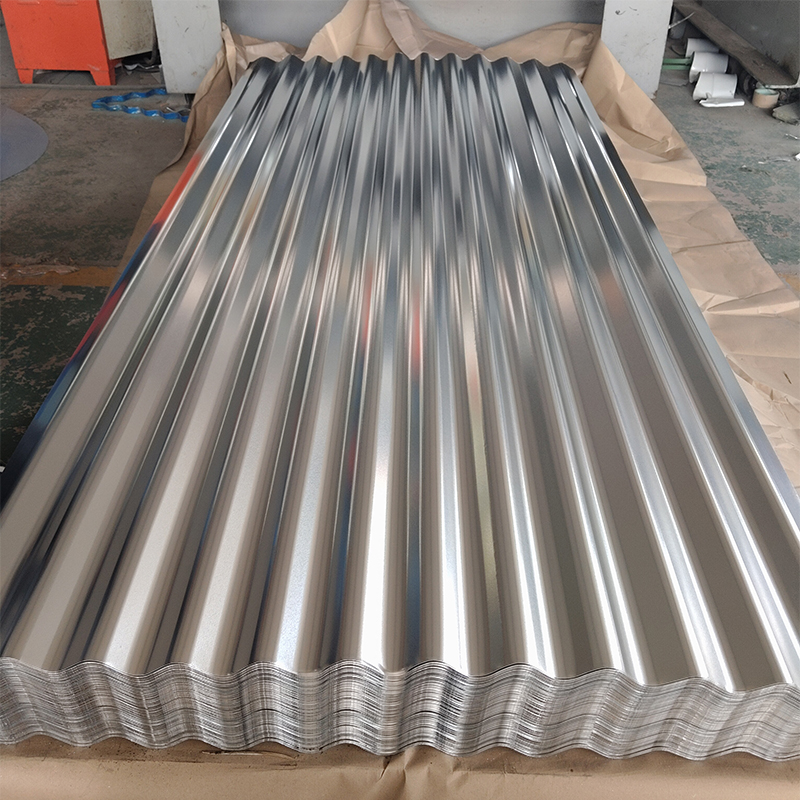
For any aluminum sheet bulk order, one key decision can directly affect cost, lead time, and end-use performance: should you choose mill finish sheets first or request coating from the start? For procurement teams, understanding this choice is essential to balancing budget, processing efficiency, and application requirements across construction, manufacturing, and industrial projects.
In metallurgy sourcing, this is not a cosmetic question. The finish route influences scrap risk, packaging, transit protection, secondary processing, and the supplier mix you can use. A purchasing team handling 20 tons, 200 tons, or recurring monthly releases will often see noticeable differences in total landed cost depending on whether coating is included at the beginning or arranged later.
For buyers in construction systems, appliance parts, transportation equipment, or general fabrication, the decision should be tied to alloy series, temper, surface expectations, and downstream manufacturing steps. Companies such as Shandong Diwang Aluminum Technology Co., Ltd., established in 2002, serve this type of demand with integrated production and sales across aluminum, galvanized, and color-coated products, supported by 5 advanced aluminum coil production lines and annual output reaching 900,000 tons.
The practical goal is simple: buy the right substrate, at the right processing stage, with the right finish specification. The sections below break down how procurement teams can compare mill finish and pre-coated options, reduce commercial risk, and align purchase strategy with actual use conditions.
What Mill Finish and Pre-Coated Aluminum Mean in Bulk Purchasing
Mill finish aluminum sheet is supplied in its basic rolled surface condition without an added paint or organic coating layer. It is typically selected when the buyer plans to perform bending, stamping, anodizing, brushing, painting, or lamination later in the process. For many industrial buyers, mill finish offers a lower initial purchase price and more flexibility across multiple projects.
Pre-coated aluminum, by contrast, is coated before delivery, often in coil form and then cut into sheets as required. It is common in roofing, curtain wall panels, exterior cladding, ceiling systems, appliance casings, and decorative building components. In these applications, color uniformity, coating adhesion, weather resistance, and visual consistency are major procurement criteria, not optional extras.
The distinction matters because a bulk order is rarely judged only by ex-works price per ton. Buyers also need to consider processing loss, whether the coating will crack during forming, the acceptable thickness tolerance, and whether the final use is indoor, outdoor, marine-adjacent, or chemical-exposed. A difference of 7–15 days in processing lead time or 2%–5% in scrap rate can materially affect project margins.
From a product planning perspective, alloy and temper selection must come first. Common sheet and coil choices include 1050, 1060, 1100, 3003, 3004, 3105, 5005, 5052, 5083, 5754, 6061, and 6063, with tempers such as O, H14, H24, H32, and H34. Softer tempers may be easier to form, while stronger alloys may better support structural or transport-related applications.
Basic comparison at the purchasing stage
The table below gives a procurement-level comparison rather than a laboratory definition. It helps buyers quickly identify which route is more suitable for projects with short schedules, complex forming, or visible architectural surfaces.
The key takeaway is that neither option is universally better. Mill finish is often ideal for buyers who need processing freedom or who outsource finishing locally. Pre-coated material is stronger where batch consistency, outdoor durability, and immediate installation readiness matter more than maximum flexibility.
Where coil supply affects the decision
In many large-volume orders, the decision is not really “sheet versus sheet.” It is “sheet cut from mill finish coil” versus “sheet cut from coated coil.” This matters because coil-based supply offers better continuity for thickness control, flatness, and batch uniformity. For reference, Aluminum Coil is widely used as the base supply format for roofing, curtain wall, appliance panels, and industrial fabrication where width can reach up to 2600 mm and thickness commonly stays within practical forming ranges.
How Cost, Lead Time, and Yield Change with the Finish Sequence
Procurement decisions are usually driven by total cost, not only by ton price. If a buyer orders mill finish and arranges coating later, the visible savings at order placement may be offset by extra transport, handling, coating conversion charges, and possible defects from moving semi-finished material between facilities. In contrast, ordering coated material first can reduce steps but may narrow your tolerance for later rework.
A practical cost review should include at least 5 elements: substrate price, coating or painting cost, freight between process steps, scrap from fabrication, and packaging or protection costs. For bulk orders above 50 tons, even a small variance of USD 20–40 per ton in secondary handling can become meaningful. For projects with 3 monthly releases, differences in inventory carrying time may also change the best option.
Lead time is equally important. A standard mill finish sheet may be delivered in 7–20 days if the alloy, temper, and size are common. A custom coated order can take 15–35 days depending on color approval, coating line scheduling, protective film requirements, and whether cutting-to-length is included. However, if the buyer would otherwise send material to a third-party coating plant, pre-coated supply may shorten the total project timeline by one full production step.
Yield loss should not be underestimated. If coated material is deeply drawn, sharply bent, or repeatedly repositioned during assembly, surface damage may increase the reject ratio. On the other hand, painting after fabrication may create more uniform edge coverage on complex parts. Procurement teams should therefore estimate not just purchase cost but usable output rate after all downstream operations are complete.
Typical cost logic for bulk aluminum sheet orders
The following table shows how purchasing teams often compare the two routes during budgeting, especially for construction panels, machinery covers, and fabricated parts with medium to high volume demand.
For buyers under delivery pressure, coated-first often wins when geometry is simple and appearance is critical. For buyers making complex parts or uncertain final specifications, mill finish first may control risk better, even if the process chain is longer.
A simple 4-point budgeting checklist
- Confirm whether the final part needs visible-grade colour consistency across 2 or more lots.
- Estimate processing damage risk for bending radius, punching density, and film removal steps.
- Compare direct coated delivery with local post-coating in terms of freight, queue time, and inspection effort.
- Ask for pricing by ton and by finished usable square meter, not by raw material price alone.
Application-Based Selection: When Mill Finish Is Better and When Coated First Makes Sense
The correct choice depends heavily on end use. In architectural decoration, roofing structure, building curtain wall, and external wall panels, coated-first purchasing is often preferred because the buyer needs weather resistance, colour stability, and immediate installation compatibility. These projects usually value uniform appearance across large visible areas, sometimes over several thousand square meters.
For industrial moulds, mechanical components, tanks, transport equipment, or fabricated enclosures, mill finish may be more practical if the material will be cut, welded, stamped, or machined before final finishing. In these cases, properties such as good machinability, formability, welding quality, and corrosion resistance may matter more than early-stage color treatment.
Alloy family also guides the decision. The 1000 series is valued for conductivity and plasticity. The 3000 series, such as 3003 and 3004, is common in building and general fabrication because of anti-rust quality and workability. The 5000 series, including 5052, 5083, and 5754, is often selected for marine-adjacent or higher corrosion-demand environments. The 6000 series, including 6061 and 6063, supports structural and machining-oriented applications.
Procurement teams should also consider form. Large projects may begin with coil and convert to sheets or panels later to improve material continuity. Buyers looking at façade, roofing, or appliance panel production often review both sheet and coil options in parallel, especially when flatness, surface uniformity, and repeat order stability are critical.
Recommended decision by use scenario
The table below connects finish strategy with common industrial and building applications. It can help a purchasing manager translate technical requirements into a sourcing route.
In short, visible and weather-exposed products usually benefit from early coating, while heavy post-processing applications usually benefit from mill finish. The wrong sequence can increase defects, especially when appearance standards are tight and delivery schedules leave little room for rework.
Typical technical points buyers should verify
- Whether the surface must remain defect-free after bending, punching, or roll forming.
- Whether the order needs high flatness and uniform colour across multiple production batches.
- Whether corrosion exposure is indoor dry, outdoor urban, coastal, or chemically aggressive.
- Whether the final design may still change in the next 2–6 weeks, which favors flexibility.
Procurement Specifications, Inspection Points, and Supplier Coordination
A strong bulk order starts with a complete specification sheet. Procurement should define alloy, temper, thickness, width, sheet length or coil form, surface expectation, coating requirement, protective film, packaging mode, and inspection criteria before supplier confirmation. Missing even 1 or 2 items can cause disputes over acceptance, especially in export shipments or multi-batch framework contracts.
For aluminum supply, typical dimensions may include thickness up to 30 mm, width up to 2600 mm, and length up to 16000 mm, depending on product form and processing route. Not every size is commercially optimal. Buyers should ask which combinations are standard line output and which require special scheduling, because unusual widths or low-volume custom lengths often extend production time and affect yield.
Inspection should match the intended application. A decorative cladding order may emphasize colour uniformity, coating adhesion, and visible surface quality. A fabrication-grade order may focus more on flatness, tolerance consistency, bending performance, and weldability. If the material will be stored for 30–60 days before use, packaging and moisture protection should also be stated clearly on the purchase order.
Supplier coordination matters as much as the technical sheet. Shandong Diwang Aluminum Technology Co., Ltd. operates with integrated design, R&D, production, and sales, and its aluminum products are exported to more than 30 countries. For procurement teams, that kind of integrated business structure can simplify communication when the order includes multiple product families, such as aluminum sheets, coils, color-coated products, and galvanized materials in one supply plan.
6 critical checkpoints before issuing a PO
- Confirm alloy and temper against forming, strength, and corrosion needs.
- Define dimensional tolerance and acceptable surface standard for visible or non-visible use.
- State whether coating is required before shipment, including colour consistency expectations.
- Agree on packaging method, pallet condition, interleaving, and moisture protection for sea freight or long transit.
- Request batch traceability and clarify whether split shipments are acceptable.
- Align delivery schedule with project milestones, especially if releases are staged over 2–3 months.
How product range can support mixed procurement
In many real procurement plans, the buyer is not sourcing one item only. A project may require bare sheet for fabrication, coated material for visible panels, and coil for continuous processing. In that context, a broad supply portfolio is valuable. For example, buyers reviewing Aluminum Coil alongside sheets can improve line efficiency and reduce conversion inconsistency across building, machinery, transportation, and industrial applications.
If possible, ask the supplier to align substrate source, finish route, and packing standard across all items. This can reduce variation between batches and improve incoming inspection efficiency at your plant or project site.
Common Risks, FAQ, and a Practical Decision Path for Buyers
Many procurement problems come from choosing a finish sequence too early or too late. Ordering coated sheets before confirming bend radius, hole pattern, or fabrication route can create avoidable rejects. Waiting too long to decide on coating can also delay project release if colour approval, weather resistance requirements, or surface testing must be added later. A balanced decision should connect engineering, purchasing, and production within the first 1–2 review cycles.
Another common risk is treating all aluminum grades as interchangeable. A 1050 or 1060 order for conductivity-focused or soft-forming applications is not the same as a 5052 or 5754 order for stronger corrosion-related service. Similarly, a decorative panel and a machine cover may both use aluminum sheet, but their finish sequence, inspection criteria, and packaging needs are often very different.
Buyers should also avoid price-only selection. A low quote may exclude film protection, batch consistency control, export packing, or customized cutting. In bulk procurement, a delayed or non-conforming shipment can cost more than a modest difference in base material price. That is why supplier response speed, technical communication, and production coordination should be part of evaluation, not afterthoughts.
Below are short answers to the questions procurement teams ask most often when comparing mill finish and coated-first ordering strategies.
How do I choose if my project design is not fully finalized?
If colour, shape, or assembly details may still change within the next few weeks, mill finish is usually safer. It preserves flexibility and reduces the risk of reordering coated stock that no longer matches revised drawings or installation requirements.
When is coated-first the better commercial decision?
Choose coated-first when the final color is fixed, the part geometry is relatively stable, and the project values appearance or outdoor durability. This is especially true for roofing, curtain wall systems, external walls, and appliance-facing surfaces where batch-to-batch consistency is important.
What lead time should I plan for a bulk order?
For common mill finish specifications, 7–20 days is a common planning range. For coated or highly customized orders, 15–35 days is more realistic. Final timing depends on alloy, size, order volume, coating complexity, and whether the order is sheet-based or cut from coil.
Which purchase documents reduce disputes most effectively?
Use a clear technical annex covering alloy, temper, dimensions, quantity tolerance, surface requirement, coating request, packaging method, and acceptance rules. A concise 1-page specification sheet attached to the PO often prevents far more problems than repeated email clarification after production starts.
For most procurement teams, the best decision comes from matching finish sequence to the actual manufacturing path. If the order needs heavy forming, welding, or late-stage design flexibility, mill finish usually offers better control. If the order needs fast installation, visual consistency, and reliable weather resistance, coated-first is often the more efficient route.
With broad aluminum, galvanized, and color-coated supply capabilities, large-scale production support, and export experience across more than 30 countries, Shandong Diwang Aluminum Technology Co., Ltd. can support buyers who need practical guidance on alloy selection, coating strategy, and batch delivery planning. To reduce sourcing risk and improve order accuracy, contact the team now to discuss your specifications, request a tailored quotation, or get a customized bulk-order solution.
Leave A Message
If you are interested in our products and want to know more details, please leave a message here, we will reply you as soon as we can.