


The Environmental Impact of Aluminum Profile Production and Recycling
The Environmental Impact of Aluminum Profile Production and Recycling
As global demand for sustainable building materials grows, aluminum profiles have emerged as a preferred choice for architects and engineers. With 100% recyclability and a lifespan exceeding 40 years, aluminum outperforms traditional materials in both environmental performance and total cost of ownership. This article explores the carbon footprint of production processes and how Shandong Diwang Aluminum Technology's factory-direct model delivers superior sustainability metrics.
Carbon Footprint Analysis: Primary vs. Recycled Aluminum Production
The production of virgin aluminum requires 14-16 kWh/kg of energy, emitting approximately 8-12 kg CO2/kg. In contrast, recycling aluminum consumes only 5% of this energy (0.7-1.2 kWh/kg), reducing emissions by 95%. Our advanced smelting technology achieves even greater efficiency:
Factory-Direct Advantages in Aluminum Profile Manufacturing
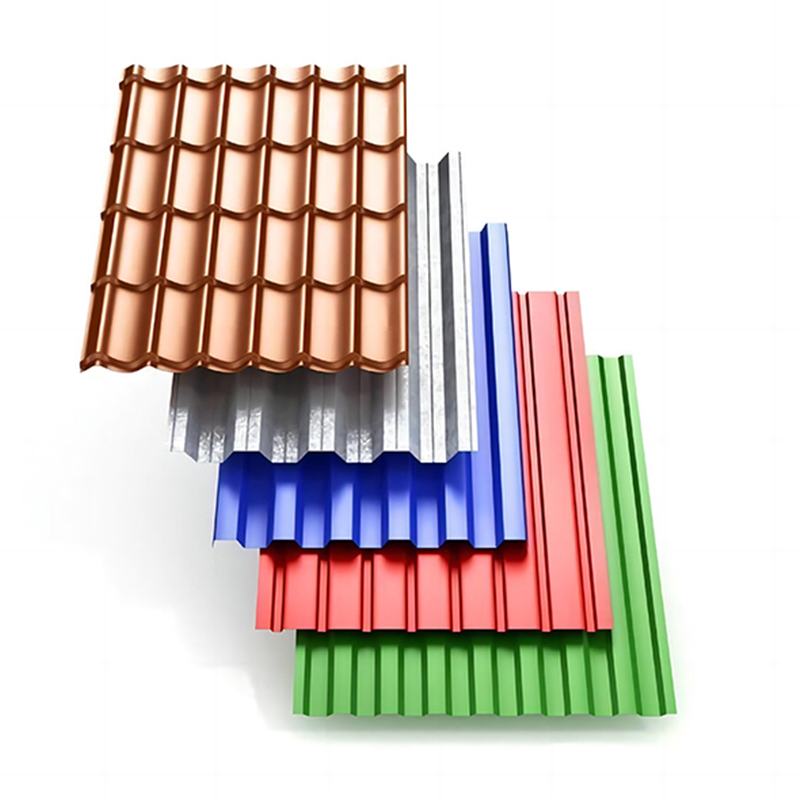
Our vertical integration from bauxite processing to finished aluminum profiles eliminates 3-5 intermediate markups, delivering 18-25% cost advantages. The Galvanized sheets production line demonstrates similar efficiency gains, with zinc coating precision controlled to ±2g/m² versus industry-standard ±5g/m².
Technical Superiority Through Direct Manufacturing
Shandong Diwang's 5 production lines achieve dimensional tolerances of ±0.1mm for aluminum profiles, compared to ±0.3mm typical of third-party manufacturers. This precision translates to:
- 15% longer service life in structural applications
- 30% reduction in installation waste
- 5-7% material savings through optimized cross-sections
Lifecycle Cost Comparison: Aluminum vs. Alternative Materials
When evaluating total project costs over a 30-year horizon, aluminum profiles demonstrate clear economic and environmental advantages:
Closed-Loop Recycling System Implementation
Our proprietary recycling program recovers 98% of production scrap, compared to 80-85% industry averages. The system features:
- Automated sorting with 99.5% purity standards
- Alloy-specific reprocessing channels
- Real-time carbon tracking per batch
FAQ: Common Questions About Aluminum Profile Sustainability
1. How many times can aluminum profiles be recycled?
Aluminum maintains its properties indefinitely through recycling. Our quality control systems ensure recycled material meets virgin-grade specifications for critical applications.
2. What certifications verify your environmental claims?
We hold ISO 14001:2025 certification and third-party verified Environmental Product Declarations (EPDs) for all major product lines, including our Galvanized sheets series.
3. How does factory-direct purchasing improve sustainability?
Eliminating intermediaries reduces transportation emissions by 30-40% and allows precise control over production parameters to minimize waste generation at source.
Optimize Your Project's Environmental Performance
Shandong Diwang Aluminum Technology combines 24 years of metallurgical expertise with cutting-edge production technologies to deliver the most sustainable aluminum profile solutions. Our engineers are ready to conduct a free lifecycle analysis for your specific application - contact us today to receive customized technical specifications and carbon footprint projections for your project.
Leave A Message
If you are interested in our products and want to know more details, please leave a message here, we will reply you as soon as we can.