


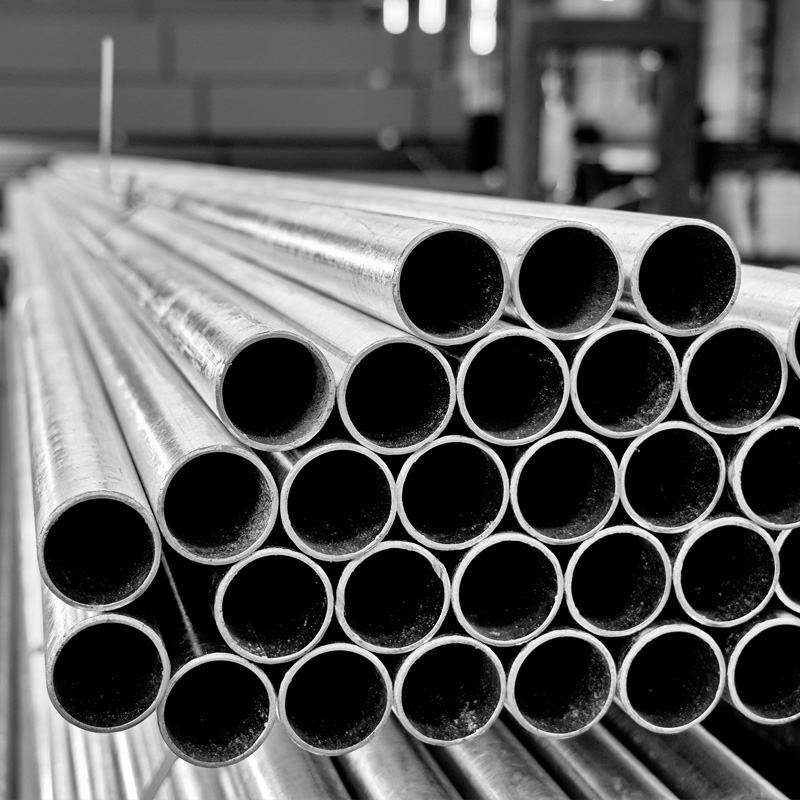
Selecting the right Aluminum tube is a strategic decision for automotive lightweighting projects, directly affecting structural performance, fuel efficiency, cost control, and long-term reliability.
For project managers and engineering leaders, the challenge is not only reducing vehicle weight but also ensuring manufacturability, supply stability, and compliance with demanding application standards.
This article explores key considerations for choosing aluminum tubes in automotive applications, helping teams balance strength, corrosion resistance, formability, and project value.
What Project Leaders Really Need From Aluminum Tube Selection
Most automotive teams are not simply asking whether aluminum is lighter than steel. They are asking whether it reduces total system cost.
A good Aluminum tube choice should improve weight efficiency without creating hidden risks in joining, tolerance control, crash behavior, or supplier continuity.
For project managers, the best selection process connects engineering specifications with sourcing realities, production capacity, quality documentation, and delivery schedules.
The right decision also depends on where the tube will be used, because load paths, corrosion exposure, and forming requirements differ significantly.
Start With the Application, Not Only the Alloy
Automotive aluminum tubes can serve structural, fluid transfer, thermal management, decorative, or protective functions across different vehicle systems.
Common uses include frame reinforcements, battery tray structures, roof rails, crash management parts, cooling lines, and lightweight support assemblies.
Each application has a different priority. A crash component may need predictable deformation, while a fluid tube needs dimensional stability and sealing reliability.
Before comparing suppliers, project teams should define loads, installation space, bending requirements, joining method, surface treatment, and service environment.
This prevents a common mistake: selecting a technically strong material that later becomes difficult to fabricate or costly to integrate.
Key Material Factors That Affect Performance
The alloy series determines much of the tube’s strength, corrosion resistance, weldability, and formability, so it must match the functional requirement.
For many automotive structures, 6000 series alloys are valued because they balance strength, extrudability, corrosion resistance, and heat treatment response.
For applications needing stronger mechanical performance, some teams evaluate 7000 series materials, though cost and process complexity usually increase.
For fluid, thermal, or lower-load applications, softer alloys may offer better bending behavior and easier production at scale.
Temper is equally important. The same alloy can behave very differently depending on whether it is annealed, hardened, or artificially aged.
Project leaders should ask for mechanical properties, dimensional tolerances, surface condition, certificate standards, and batch traceability before confirming any purchase plan.
Weight Reduction Must Be Measured at System Level
An Aluminum tube may reduce component weight, but the real business case depends on the complete assembly and downstream effects.
Lighter tubes can support fuel efficiency, electric vehicle range, easier handling, and reduced loads on connected components.
However, weight savings should be evaluated together with connection design, wall thickness, reinforcement needs, welding method, and inspection costs.
In some cases, a slightly heavier tube with simpler processing delivers better project value than an aggressively optimized design.
The most reliable approach is to compare total cost per validated assembly, not only cost per kilogram of raw material.
Formability and Joining Decide Whether the Design Is Practical
Automotive projects often fail not because the material is unsuitable, but because the tube is difficult to process consistently.
Bending, flaring, cutting, punching, hydroforming, welding, brazing, or mechanical fastening can all influence final part performance.
Project managers should confirm minimum bend radius, springback tendency, surface cracking risk, and tooling compatibility during early sampling.
If welding is required, teams must check heat-affected zone strength, distortion control, filler compatibility, and post-weld treatment requirements.
For adhesive bonding or mechanical fastening, surface cleanliness, oxide layer behavior, and dimensional repeatability become more important.
Early manufacturability review helps avoid redesign, tooling delays, scrap increases, and validation failures late in the development schedule.
Corrosion Resistance and Surface Quality Protect Long-Term Reliability
Aluminum naturally forms an oxide layer, but automotive environments may include road salt, moisture, temperature cycling, and galvanic contact.
When aluminum tubes contact steel, copper, or other metals, galvanic corrosion risk should be controlled through insulation or coating design.
Surface treatment may include anodizing, powder coating, conversion coating, polishing, or customized protective processes depending on the vehicle system.
For visible or semi-visible components, appearance consistency also matters because scratches, stains, or oxidation marks can affect customer acceptance.
A supplier should be able to control surface defects, oil residue, straightness, ovality, and packaging protection during shipment.
Supply Stability Is a Project Risk, Not a Purchasing Detail
Automotive lightweighting programs depend on repeatable supply, especially when tubes are used in validated structural or safety-related assemblies.
Supplier capability should include stable production capacity, quality inspection, technical communication, and experience with international export requirements.
Shandong Diwang Aluminum Technology Co., Ltd. supports aluminum sheets, rods, foil, tubes, coils, alloys, and profiles for varied industrial fields.
With established aluminum coil production lines and export experience, stable sourcing can help project teams reduce delivery uncertainty.
For programs involving multiple aluminum materials, complementary products such as Aluminum foil coils may also support thermal insulation, shielding, or packaging-related needs.
Procurement decisions should consider not only quoted price, but also lead time, documentation, communication speed, and corrective action capability.
How to Compare Aluminum Tube Options Before Approval
A practical selection process begins with defining functional requirements, then converting them into measurable specifications and acceptance criteria.
Teams should specify alloy, temper, outer diameter, wall thickness, length tolerance, straightness, surface condition, mechanical properties, and testing requirements.
For critical applications, sample testing should include tensile performance, bending behavior, corrosion exposure, weld evaluation, and dimensional inspection.
Project managers should request mill certificates, applicable standards, packaging details, and batch traceability before moving from sampling to mass procurement.
It is also useful to involve design, production, quality, and purchasing teams in the same technical review meeting.
This cross-functional approach reduces the risk of selecting a tube that satisfies drawings but creates problems in assembly or logistics.
Cost Control: Look Beyond the Unit Price
In automotive lightweighting, the cheapest Aluminum tube is not always the lowest-cost solution once processing and quality risks are included.
Total cost should include machining loss, forming yield, inspection frequency, joining process time, rework rate, transportation, and inventory pressure.
A more consistent tube may reduce scrap, improve line efficiency, and shorten validation time, even if its purchase price is higher.
For project leaders, the strongest business case usually comes from balancing technical adequacy with predictable supply and stable production performance.
Cost models should also consider future scale-up, because small sample success does not automatically guarantee mass production efficiency.
When Aluminum Tube Is the Right Lightweighting Choice
Aluminum tube is especially suitable when a project needs meaningful weight reduction, corrosion resistance, good strength-to-weight ratio, and flexible forming options.
It is often a strong choice for electric vehicle structures, thermal systems, supports, protective frames, and non-ferrous lightweight assemblies.
However, it may not be ideal where extreme impact loads, very low material cost, or highly specialized joining constraints dominate.
The best decision is based on engineering validation, not assumptions about aluminum being universally superior for every component.
When used in the right application, aluminum tubes can help improve vehicle efficiency, reliability, and project competitiveness.
Conclusion: Choose Aluminum Tube as a Project-Level Decision
Choosing Aluminum tube for automotive lightweighting is not only a material substitution. It is a project-level decision involving performance, process, cost, and supply.
Project managers should begin with application requirements, then evaluate alloy, temper, manufacturability, corrosion protection, supplier capability, and total cost.
A well-selected tube helps reduce vehicle weight while protecting reliability, production efficiency, and long-term program value.
By treating aluminum tube selection as an integrated engineering and sourcing decision, teams can turn lightweighting goals into practical automotive results.