


Why Aluminum Tube Lightweight Design Matters in Frames, Machinery, and Transport
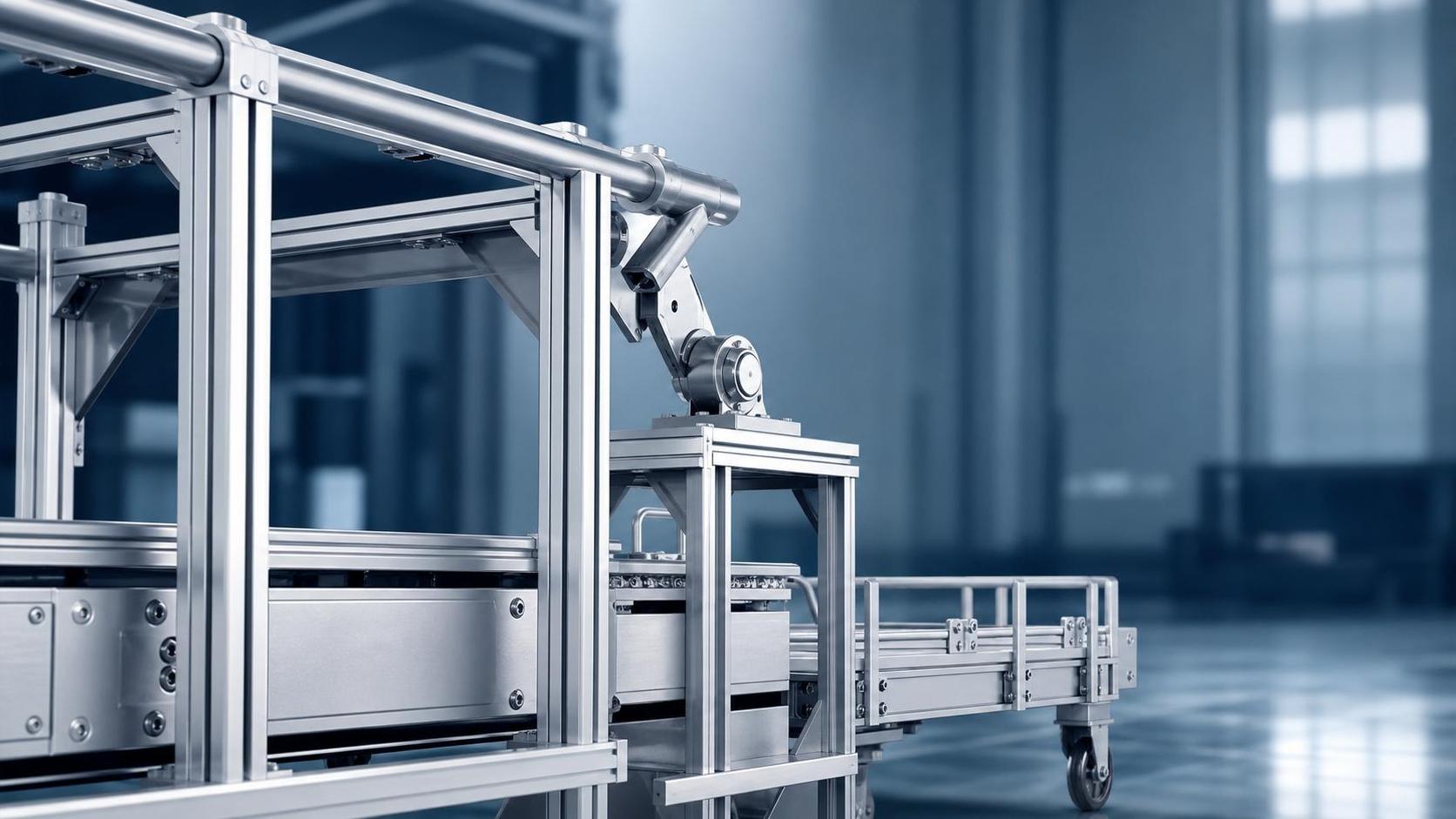
Why aluminum tube lightweight matters on the shop floor
In real projects, aluminum tube lightweight design changes more than total mass. It affects lifting effort, motion stability, fuel use, and long-term structural fatigue.
That matters across frames, machinery, and transport equipment, where similar-looking parts face very different loads, vibration patterns, and environmental exposure.
For a company serving engineering, machinery, aviation, automotive, and marine fields, the key is not choosing the lightest tube. It is choosing the right lightweight balance.
The same lightweight target means different things by scene
Frame structures usually prioritize stiffness, easy assembly, and corrosion resistance. Here, aluminum tube lightweight value often appears during installation and daily handling.
Machinery is less forgiving. Moving sections, guards, arms, and housings need lower inertia, but they also need weld integrity and fatigue performance.
Transport equipment adds another layer. Reduced weight can improve payload efficiency, braking response, and energy consumption, but impact resistance and joint reliability become critical.
A quick comparison of decision points
Where aluminum tube lightweight delivers real value
In modular frames, lighter tubes reduce installation time and support easier maintenance access. This is especially useful where structures are moved, adjusted, or expanded later.
In conveyors, enclosures, and equipment bodies, aluminum tube lightweight design can improve movement smoothness because motors and supports carry less dead load.
For mixed-material systems, matching tubes with formed sheet parts also matters. In some assemblies, Aluminum sheets 3004 Series can complement tube structures well.
Its higher strength, good weldability, corrosion resistance, and machinability suit fuel tanks, outer panels, and construction elements near lightweight tube frameworks.
Mistakes that weaken lightweight performance
- Treating similar scenes as identical, even when vibration, humidity, or impact levels differ.
- Focusing on static strength only, without checking fatigue and joining details.
- Reducing mass in the tube while leaving brackets, fasteners, or panels oversized.
- Overlooking surface treatment needs in marine, outdoor, or humid equipment conditions.
A practical way to judge the right fit
Start with actual service conditions: load type, span, motion frequency, weld method, and corrosion exposure. Then compare weight reduction against stiffness loss and fabrication complexity.
Where tube systems connect to sheet components, formed alloys such as 3004 may help maintain corrosion resistance and forming quality without adding unnecessary weight.
A useful next step is building a scene-based checklist covering dimensions, joint method, maintenance cycle, and operating risks before final material selection.
Leave A Message
If you are interested in our products and want to know more details, please leave a message here, we will reply you as soon as we can.