


Common Storage Mistakes That Damage Aluminum Coil
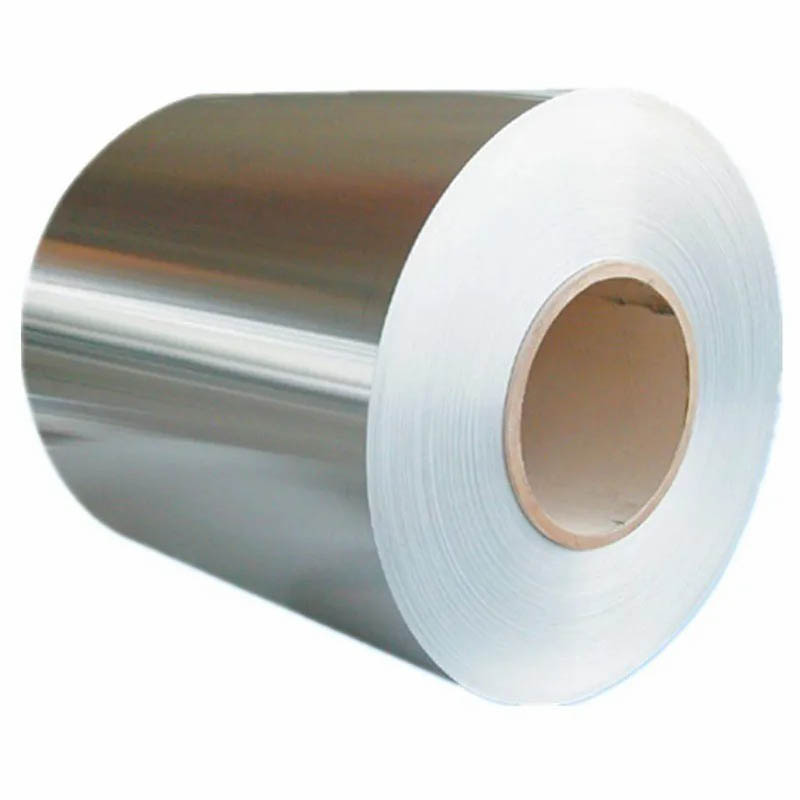
Proper storage is essential to keeping Aluminum coil in reliable working condition, yet many users and operators unknowingly make mistakes that lead to oxidation, staining, deformation, or surface scratches. From humidity control to stacking methods, small oversights can reduce material quality and increase processing costs. This guide explains the most common storage errors that damage aluminum coil and offers practical tips to help you protect product performance, extend service life, and maintain consistent results in daily operations.
Why Aluminum Coil Storage Mistakes Become Costly in Daily Operations
Aluminum coil is often purchased for rolling, forming, coating, roofing, insulation, vehicle parts, containers, and architectural applications. Operators usually focus on processing speed, but storage conditions decide whether the material enters production in usable condition.
The surface of aluminum naturally forms an oxide film, yet this protection can fail when moisture, salts, acids, alkalis, or trapped condensation remain on the coil. Once staining begins, downstream coating, cutting, and bending quality may decline.
- Surface oxidation may reduce appearance quality and create rejection risks for decorative or color-coated applications.
- Edge dents and coil deformation can cause feeding problems during slitting, leveling, stamping, or roll forming.
- Scratches may become visible after painting, anodizing, laminating, or outdoor installation.
- Poor traceability can lead to incorrect alloy, temper, or thickness being sent to production.
Mistake 1: Storing Aluminum Coil in Humid or Unventilated Areas
Humidity is one of the most common causes of damage to Aluminum coil. When coils are moved from cold outdoor storage into a warmer workshop, condensation may form between wraps and remain hidden.
Operators should avoid placing coils directly beside doors, leaking roofs, drainage channels, chemical storage areas, or steam equipment. Even short exposure can create water marks or dark stains on sensitive surfaces.
The following table helps operators identify storage risks before they become production losses. It is especially useful for warehouses handling Aluminum coil in changing seasons or coastal environments.
Moisture control is not only a warehouse issue. It affects coating adhesion, appearance uniformity, and later forming behavior, especially when Aluminum coil is used for roofing, decoration, or transport components.
Mistake 2: Ignoring Packaging Integrity After Delivery
Many operators inspect coil weight and label information but forget to check the packaging. Torn film, broken strapping, crushed corner boards, or exposed edges allow dust and moisture to enter.
If Aluminum coil will not be used immediately, packaging should remain intact unless inspection is required. Once opened, the material should be resealed or transferred to a clean, dry storage position.
Practical Receiving Checklist
- Confirm alloy, temper, thickness, width, coil number, and quantity against the purchase order and production plan.
- Inspect outer packaging for punctures, water traces, rusted straps, compression marks, or loose wrapping.
- Record any visible transport damage with photos before moving the Aluminum coil into storage.
- Separate questionable coils from normal stock until quality and usability are confirmed.
Mistake 3: Using the Wrong Stacking and Handling Method
Incorrect stacking may deform the inner diameter, crush coil edges, or create telescoping. These defects are not always obvious until the coil is mounted on equipment.
For Aluminum coil, operators should use suitable coil saddles, racks, forklifts, C-hooks, or lifting clamps. Contact surfaces must be clean, dry, and free from metal chips.
- Do not place coils on uneven ground, because concentrated pressure can damage edges and affect uncoiling stability.
- Avoid stacking coils without engineering confirmation, especially for wide, heavy, or soft-temper materials.
- Use protective pads when lifting, because direct steel contact may scratch the aluminum surface.
- Keep the coil eye orientation consistent with warehouse handling rules to prevent rolling accidents.
Mistake 4: Mixing Alloys, Tempers, and Surface Requirements
Aluminum coil storage is not only about physical protection. It also requires clear identification, because different alloys and tempers may look similar but behave differently during bending or forming.
For example, 1000 series materials often emphasize conductivity, reflectance, and plasticity. 3000 series materials are widely used where corrosion resistance and formability matter. 5000 and 6000 series grades may serve stronger structural or transport needs.
Some projects also use related sheet products, including Corrugated Aluminum sheets, made from 1000, 3000, 5000, or 6000 series alloys for roofs, walls, containers, marine plates, automotive parts, and industrial devices.
The table below compares common selection factors for Aluminum coil and related aluminum products when storage, fabrication, and final application must be considered together.
Clear labeling reduces production mistakes. When operators can quickly identify alloy, temper, and surface requirements, Aluminum coil can be stored and issued according to real processing priority.
Mistake 5: Leaving Aluminum Coil Near Chemicals or Contaminants
Aluminum may react unfavorably when exposed to certain acids, alkalis, salts, and industrial fumes. Chemical contamination can create localized corrosion or stains that are difficult to remove.
Workshops that also handle galvanizing, color coating, cleaning agents, lubricants, or cutting fluids should separate chemical zones from Aluminum coil storage. Good zoning prevents accidental splashes and vapor exposure.
Contamination Sources to Control
- Salt, cement dust, and alkaline construction materials should not be stored beside aluminum inventory.
- Residual oil or coolant on lifting equipment may transfer to the surface and affect later coating adhesion.
- Steel filings and abrasive dust can scratch Aluminum coil during handling or packaging removal.
How Operators Can Build a Safer Aluminum Coil Storage Process
A reliable storage process does not need to be complicated. It needs discipline, clear responsibilities, and inspection points that match the material value and production schedule.
For users working under tight delivery requirements, first-in-first-out management is important. It prevents old Aluminum coil from staying too long while newer coils are consumed first.
- Create a dedicated aluminum storage area with dry flooring, stable ventilation, and controlled access.
- Assign operators to check packaging, labels, edges, and surface condition at receiving and before issuing.
- Use coil racks, saddles, or pallets that match coil diameter, weight, and handling equipment.
- Separate high-surface-demand coils from general industrial materials to reduce scratch and contamination risk.
- Document coil movement so purchasing, warehouse, and production teams can trace quality issues quickly.
Procurement Decisions That Reduce Storage Risk Before Delivery
Many storage problems begin during procurement. If the buyer does not clarify alloy, temper, packaging, surface protection, and delivery schedule, operators must solve avoidable problems later.
When purchasing Aluminum coil, users should communicate the real application environment, processing method, and storage time. This allows the supplier to recommend suitable packaging and material options.
Shandong Diwang Aluminum Technology Co., Ltd. was established in 2002 and integrates independent design, research and development, production, and comprehensive sales. Its aluminum products are exported to more than 30 countries.
The company operates five domestically advanced aluminum coil production lines with an annual output of 900,000 tons. Its product range covers aluminum coils, sheets, rods, foil, tubes, alloys, profiles, galvanized products, and color-coated materials.
Procurement teams that involve warehouse and production operators early can reduce rework. The result is better material flow, fewer emergency replacements, and more predictable Aluminum coil performance.
FAQ: Practical Questions About Aluminum Coil Storage
Can Aluminum coil be stored outdoors temporarily?
Outdoor storage should be avoided whenever possible. If temporary outdoor placement is unavoidable, keep coils raised, covered, ventilated, and protected from direct rain, standing water, and ground moisture.
What should operators do if packaging is wet?
Do not leave wet packaging sealed around the coil. Move the material to a dry area, inspect visible surfaces, document the condition, and consult quality personnel before production use.
How can scratches during handling be reduced?
Use clean lifting tools, padded contact surfaces, trained forklift drivers, and fixed transport routes. Avoid dragging packaging, sliding coils, or placing metal tools on exposed Aluminum coil surfaces.
Does alloy selection affect storage precautions?
Yes. Surface-sensitive, coated, soft-temper, or corrosion-focused materials need stricter controls. Operators should not assume every Aluminum coil can be stored under the same conditions.
Why Choose Us for Aluminum Coil Selection and Storage Support
Shandong Diwang Aluminum Technology Co., Ltd. supports users who need stable Aluminum coil supply for engineering, coal mining, textiles, electricity, machinery, military industry, aviation, automobiles, and ships.
With more than 300 employees and integrated production and sales capability, the company can help buyers confirm alloy series, temper, thickness, width, surface requirements, packaging method, and delivery planning.
- Consult us for Aluminum coil parameter confirmation based on forming, coating, roofing, container, or machinery applications.
- Discuss product selection when you need corrosion resistance, flatness, coating adhesion, fire performance, recyclability, or color consistency.
- Request support for delivery cycle planning, packaging expectations, sample communication, quotation comparison, and project-specific specifications.
If storage damage has affected your production cost, start by reviewing material selection and warehouse procedures together. A well-matched Aluminum coil and a controlled storage process can protect quality from delivery to final processing.
Leave A Message
If you are interested in our products and want to know more details, please leave a message here, we will reply you as soon as we can.