


Aluminum Tube Corrosion Risks in Outdoor Use
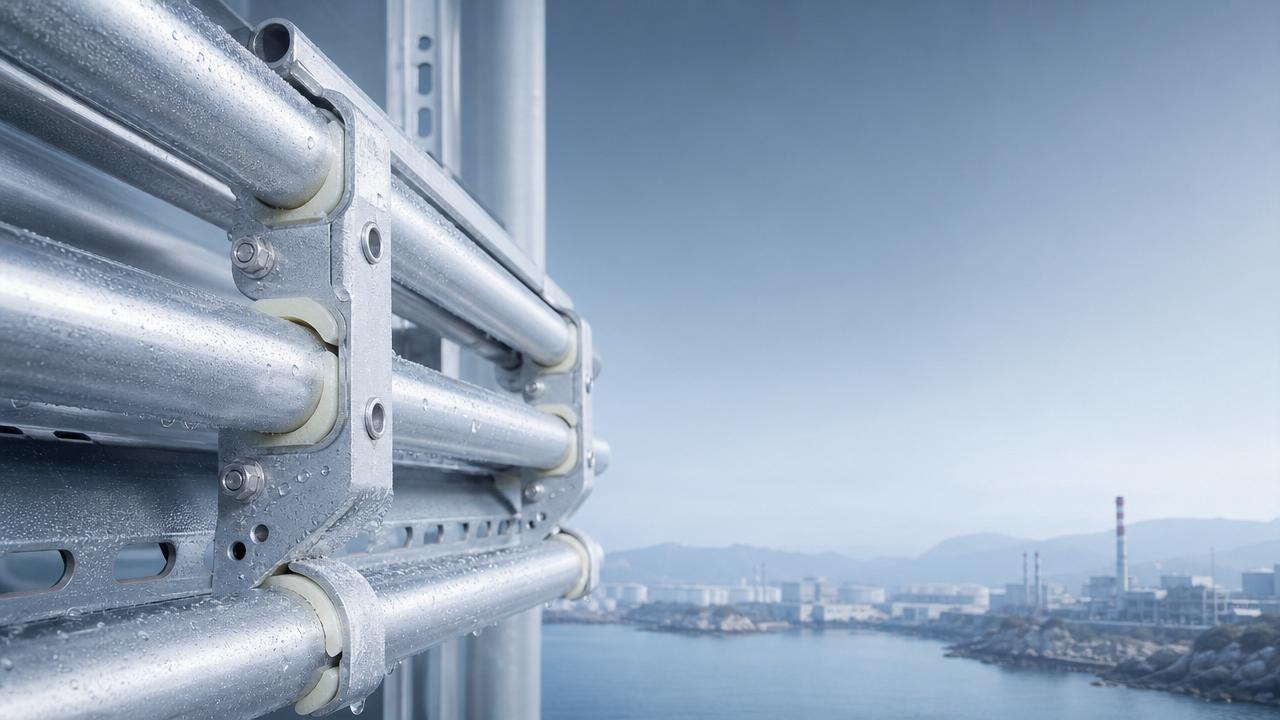
Outdoor environments can expose every Aluminum tube to moisture, salt, industrial pollutants, and temperature changes that gradually weaken surface protection and service performance. For after-sales maintenance teams, understanding corrosion risks is essential for preventing premature failures, reducing customer complaints, and extending product lifespan. This guide explains the main causes, warning signs, and practical maintenance considerations for aluminum tubes used in outdoor applications, helping technicians make faster inspections and more reliable service decisions.
Why Outdoor Corrosion Matters for Aluminum Tube Service Teams
An Aluminum tube naturally forms a thin oxide film, usually only a few nanometers thick, that helps protect the metal surface. Outdoors, this film is repeatedly challenged by rainwater, chloride deposits, acidic contaminants, and mechanical abrasion.
For after-sales maintenance personnel, corrosion is not only a material issue. It affects warranty evaluation, customer communication, replacement planning, installation review, and long-term reliability in engineering, machinery, transport, ship, power, and building applications.
Common Outdoor Exposure Conditions
Corrosion risk increases when aluminum tubing is installed within 1–5 km of coastal areas, near industrial exhaust, or in structures where water remains trapped for more than 24 hours after rainfall.
Maintenance teams should also consider temperature cycling. Daily changes of 15°C–30°C can create condensation inside hollow sections, especially when tube ends are not sealed or drainage holes are blocked.
The following table summarizes typical field conditions and the service concerns that technicians should prioritize during routine inspection.
The main conclusion is straightforward: an Aluminum tube rarely fails because of one factor alone. Most outdoor corrosion cases involve at least 2–3 combined triggers, such as chloride exposure, poor drainage, and damaged surface protection.
Main Corrosion Mechanisms in Outdoor Aluminum Tube Applications
Understanding the corrosion mechanism helps after-sales teams distinguish normal surface aging from a defect that requires corrective action. A structured diagnosis can reduce unnecessary replacement and support more accurate service records.
Pitting Corrosion from Chlorides
Pitting is one of the most common outdoor risks for an Aluminum tube in coastal, road-salt, or marine equipment environments. Small pits may appear harmless, but deep pits can reduce wall integrity over time.
Technicians should pay special attention when pit depth approaches 10%–20% of the tube wall thickness. At that point, structural review or replacement planning may be more appropriate than cosmetic repair.
Galvanic Corrosion at Mixed-Metal Connections
When aluminum contacts stainless steel, carbon steel, brass, or copper in the presence of moisture, an electrochemical cell can form. The Aluminum tube may become the anodic material and corrode faster near the joint.
This risk is common in outdoor frames, mechanical assemblies, photovoltaic supports, ship fittings, and curtain wall accessories. Even a small fastener area can cause visible corrosion within 6–12 months if insulation is absent.
Crevice Corrosion Under Clamps and Seals
Crevice corrosion develops where oxygen diffusion is limited. Typical locations include rubber pads, overlapping brackets, tight collars, threaded inserts, and tube supports where rainwater and dust remain trapped.
During inspection, remove covers or clamps when possible. If white powdery corrosion product reappears within 2–4 weeks after cleaning, the service team should review the joint design rather than repeat surface wiping.
Surface Coating and Material Compatibility
For projects that combine tubes, sheets, coils, and profiles, matching coating quality across components is important. Shandong Diwang Aluminum Technology Co., Ltd. supplies aluminum products for more than 30 countries, supporting engineering, automotive, aviation, ship, machinery, and construction uses.
In exterior assemblies, related materials such as Color coated Aluminum coils can support uniform appearance and weather resistance when specified with suitable coating adhesion, corrosion resistance, and mechanical properties.
Field Warning Signs and Inspection Workflow
A consistent inspection workflow allows service technicians to make comparable decisions across multiple sites. For outdoor Aluminum tube installations, a 5-step routine is usually practical for monthly, quarterly, or seasonal maintenance.
5-Step Inspection Method
- Record exposure conditions, including location, rainfall, salt source, chemical vapors, and temperature range.
- Visually inspect cut ends, welds, holes, fasteners, bends, and tube-to-bracket contact areas.
- Clean a small area with neutral cleaner and compare stain removal, surface roughness, and pit visibility.
- Measure wall thickness or pit depth where safety-critical performance is involved.
- Classify the issue into cleaning, sealing, repair, design correction, or replacement.
This method helps separate cosmetic oxidation from progressive corrosion. It also gives after-sales teams a defensible basis for explaining whether the issue relates to environment, installation, material selection, or maintenance gaps.
The table below provides a practical classification framework for service teams handling outdoor Aluminum tube complaints or scheduled maintenance visits.
The key service decision is whether corrosion is stable or active. If stains return quickly, pits deepen, or moisture remains trapped, cleaning alone is unlikely to solve the customer’s problem.
Maintenance Measures to Reduce Outdoor Failure Risk
Preventive maintenance is more cost-effective than emergency replacement. For most outdoor Aluminum tube assemblies, service teams should combine cleaning, drainage control, surface protection, and installation correction.
Cleaning Frequency and Chemical Control
In low-pollution inland areas, cleaning every 6–12 months may be enough. In marine, industrial, or high-dust areas, a 3-month cycle is often safer, especially for visible exterior structures.
Avoid strong alkaline cleaners, acidic pickling agents, abrasive brushes, and chloride-rich detergents unless specifically approved. A neutral cleaner, soft cloth, clean water rinse, and full drying step are usually preferred.
Drainage, Sealing, and Contact Isolation
- Maintain drainage holes and keep them free from paint, sealant, dust, or insect blockage.
- Seal exposed cut ends when the design does not require ventilation.
- Use non-conductive gaskets between aluminum and dissimilar metals.
- Keep standing water away from tube supports for more than 48 hours.
- Recheck repaired areas after the first rain cycle or within 15–30 days.
These measures are simple, but they address the most frequent root causes. In many after-sales cases, improving drainage and isolating fasteners can slow corrosion more effectively than repeated polishing.
When Replacement Is More Reliable Than Repair
Replacement should be considered when deformation, cracking, deep pitting, or load-bearing uncertainty is found. If corrosion affects connection zones, the risk may be higher than surface appearance suggests.
For critical components in machinery, vehicles, ship structures, or elevated construction, technicians should not rely on visual judgment alone. Thickness measurement and engineering review are recommended before continued service.
Selection Advice for Long-Term Outdoor Performance
Maintenance quality begins before installation. Choosing the right Aluminum tube grade, wall thickness, surface treatment, and connection design can reduce field issues during the first 1–3 years of service.
Key Procurement and Service Criteria
After-sales teams should provide feedback to procurement and engineering departments. Field data on corrosion location, exposure intensity, and complaint frequency can help improve the next specification.
- Match alloy selection to environment, forming requirements, and mechanical load.
- Specify surface protection suitable for salt, ultraviolet exposure, and industrial pollutants.
- Review tolerances, tube wall thickness, and bending quality for assembly reliability.
- Confirm packaging protection for transport periods of 7–30 days, especially in humid routes.
- Require clear installation guidance for fasteners, gaskets, drainage, and cleaning intervals.
Shandong Diwang Aluminum Technology Co., Ltd., established in 2002, integrates design, research and development, production, and sales. With more than 300 employees and 5 advanced aluminum coil production lines, the company supports diverse aluminum and galvanized product requirements.
Practical Communication with Customers
When explaining corrosion to customers, avoid vague answers such as “normal aging” without evidence. Use photos, exposure records, cleaning history, and inspection measurements to create a transparent service conclusion.
A useful service report should include 4 parts: observed condition, likely cause, immediate action, and preventive recommendation. This structure helps reduce repeated complaints and supports future procurement decisions.
Reliable Outdoor Service Starts with Better Risk Control
Outdoor Aluminum tube corrosion is manageable when technicians understand moisture retention, chlorides, galvanic contact, coating damage, and inspection timing. The best results come from combining preventive design with disciplined maintenance routines.
For after-sales teams, the goal is not only to clean visible stains, but to identify the root cause and prevent recurrence. Better records, suitable materials, and timely corrective action can extend service life and improve customer trust.
If your project requires aluminum tubes, aluminum coils, galvanized products, or outdoor material selection support, contact Shandong Diwang Aluminum Technology Co., Ltd. to consult product details, compare solutions, and obtain a customized service recommendation.
Leave A Message
If you are interested in our products and want to know more details, please leave a message here, we will reply you as soon as we can.