


Aluminum Profiles vs Steel: Which Fits Your Project Better?
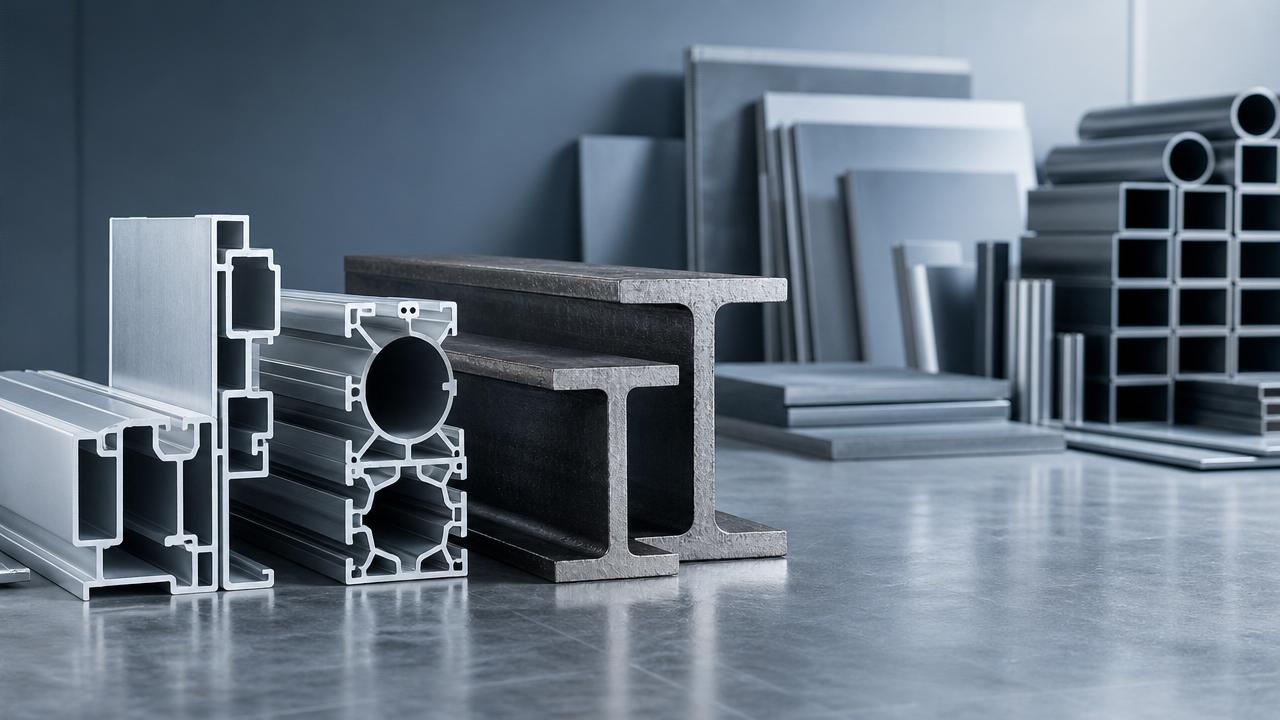
Aluminum Profiles vs Steel: Which Fits Your Project Better?
Choosing between aluminum profiles and steel can change project cost, speed, safety, and service life.
The right material is not always the stronger one on paper.
It is the one that matches load, environment, fabrication, and maintenance goals.
In many projects, aluminum profiles offer clear benefits.
Still, steel remains the better answer in heavy-duty or high-impact structures.
This comparison focuses on practical selection, not theory alone.
Start with the Basic Difference
Steel is known for high strength, stiffness, and broad structural use.
Aluminum profiles stand out for low weight, corrosion resistance, and design flexibility.
That difference affects transport, installation, machining, and operating efficiency.
If your project needs modular framing, aluminum profiles are often easier to adapt.
If your project needs maximum load capacity in a compact budget, steel may win.
Weight and Handling: A Major Project Variable
Weight is often the first real decision point.
Aluminum profiles are much lighter than steel.
That reduces shipping cost and makes on-site handling easier.
It also lowers labor pressure during assembly.
In transport equipment, automation lines, and mobile structures, this matters a lot.
Lower dead load may also reduce demands on foundations and supports.
That can create savings beyond the material itself.
Strength, Stiffness, and Structural Demands
Steel usually provides higher absolute strength and stiffness than aluminum.
For long spans, heavy loads, or frequent impact, steel often performs better.
This is why steel stays common in primary structural frames.
However, aluminum profiles should not be underestimated.
With the right alloy and section design, they can support demanding industrial applications.
The key is not comparing raw material only.
You must compare the final system, section geometry, and working conditions.
Corrosion Resistance and Service Life
In humid, outdoor, or chemical environments, corrosion changes the selection logic.
Aluminum profiles naturally resist corrosion better than untreated steel.
That often means less coating work and lower maintenance later.
Steel can still perform well with proper protection.
For example, Galvanized sheets are widely used where corrosion resistance and cost balance are both important.
Common grades include SGCC, DX51D, DX52D, and S350GD.
They are used in construction, appliance manufacturing, sandwich panels, and cold storage systems.
When zinc coating reaches z30g-z275g /m2, lifespan and maintenance performance can improve noticeably.
Cost: Look Beyond the Purchase Price
Steel usually has a lower initial material price.
That is why it often looks attractive in early budgeting.
But first cost is only one part of the decision.
Aluminum profiles may lower total project cost through faster assembly and lower logistics expense.
They can also reduce maintenance and replacement cost in aggressive environments.
So the better question is not, “Which is cheaper today?”
It is, “Which delivers lower lifecycle cost for this exact application?”
Fabrication Speed and Design Flexibility
This is where aluminum profiles often gain a practical edge.
They are easy to cut, machine, and assemble into modular systems.
That supports quick changes during layout updates or equipment upgrades.
In fast-moving production environments, flexibility has real value.
Steel fabrication can be highly efficient too, especially in standardized structures.
But modifications often require more welding, surface repair, and downtime.
Best Fit by Application
- Choose aluminum profiles for machine frames, automation systems, clean environments, and transport-sensitive structures.
- Choose steel for heavy structural supports, high-load platforms, and applications with strong impact demand.
- Choose protected steel products when corrosion is a concern but budget remains tight.
- Use hybrid solutions when different sections of the project face different risks.
In actual projects, mixed-material strategies are becoming more common.
That approach can improve both performance and cost control.
A Simple Decision Checklist
- Define the real load, not just the expected load.
- Check whether weight affects transport, lifting, or support design.
- Review corrosion exposure over the full service life.
- Estimate fabrication time and future modification needs.
- Compare lifecycle cost instead of unit price alone.
- Confirm supply stability, standards, and processing capability.
This last point matters more than many teams expect.
Reliable supply can prevent schedule risk and quality variation.
Shandong Diwang Aluminum Technology Co., Ltd. supports this need with integrated design, production, and sales.
Its product range covers aluminum coils, aluminum sheets, aluminum rods, aluminum foil, aluminum tubes, aluminum alloys, aluminum profiles, and coated steel products.
With exports to more than 30 countries, the company serves engineering, machinery, aviation, automotive, shipbuilding, and energy-related applications.
Final Takeaway
If flexibility, low weight, and corrosion resistance matter most, aluminum profiles are often the smarter choice.
If maximum strength and low upfront cost come first, steel may be the better fit.
The best decision comes from matching material behavior to real project conditions.
When evaluating aluminum profiles, focus on total value, not just material price.
That approach usually leads to fewer surprises and better long-term results.
Before final selection, compare technical needs, operating environment, and supplier capability side by side.
Leave A Message
If you are interested in our products and want to know more details, please leave a message here, we will reply you as soon as we can.