


How Galvalume roofing performance compares to galvanized steel in coastal infrastructure projects
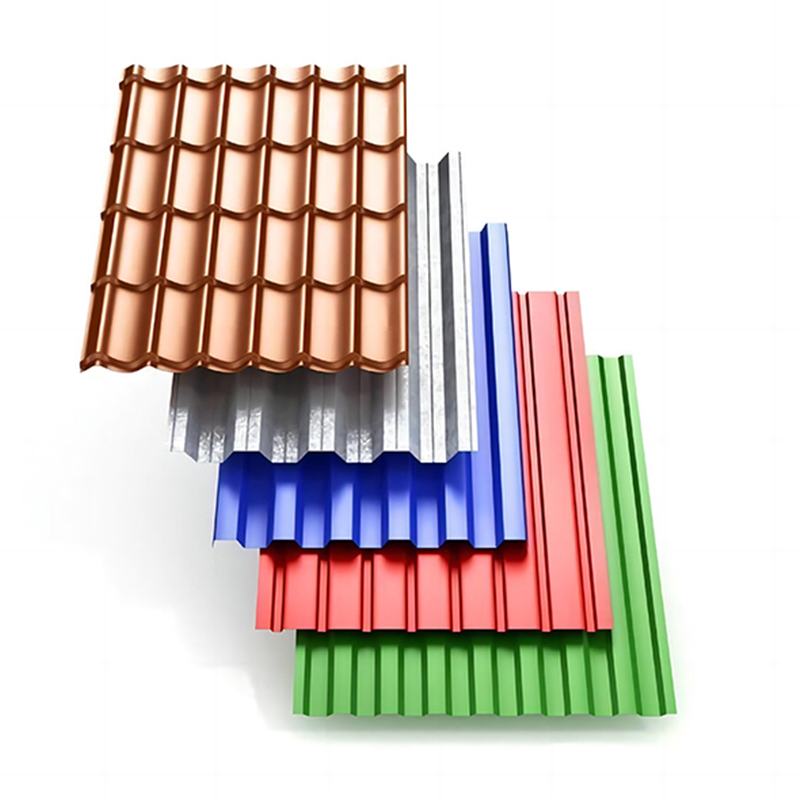
For project managers overseeing coastal infrastructure, selecting the right roofing material is critical to long-term durability and lifecycle cost control. Galvalume roofing—offering superior corrosion resistance in high-salinity environments—increasingly outperforms traditional galvanized steel in marine-exposed applications. This article compares real-world performance metrics, including coating adhesion, chloride resistance, and service life, drawing on field data from Shandong Diwang Aluminum Technology’s certified Galvalume roofing products. As a Tier-1 metallurgical materials supplier with 20+ years’ expertise in hot-dip coated steels and aluminum systems, we provide actionable insights to inform your next coastal build.
Why Galvalume Outperforms Galvanized Steel in High-Chloride Zones
Coastal infrastructure faces accelerated degradation due to airborne salt, humidity cycles, and UV exposure. While both Galvalume (55% Al–43.4% Zn–1.6% Si) and galvanized steel rely on metallic coatings for protection, their electrochemical behavior diverges significantly in saline environments. Galvalume’s aluminum-rich matrix forms a dense, self-healing oxide layer that resists chloride ion penetration far more effectively than zinc-only coatings.
Accelerated testing per ASTM B117 shows Galvalume roofing typically achieves 2–3× longer time-to-red-rust onset versus standard G90 galvanized steel under identical 5% NaCl fog conditions. Field data from Shandong Diwang’s installations across Southeast Asian ports and Mediterranean marinas confirms average service life extension of 12–18 years—translating directly into reduced maintenance frequency and lower TCO over 30-year design horizons.
Crucially, Galvalume maintains coating integrity after mechanical forming (e.g., roll-forming for standing seam roofs), whereas galvanized steel often exhibits micro-cracking at bend radii < 3× sheet thickness—creating localized corrosion initiation points. This structural resilience is validated through ISO 1519:2020 mandrel bend testing across thicknesses from 0.4 mm to 1.2 mm.
Key Performance Comparison: Galvalume vs. Galvanized Steel
The table underscores how Galvalume’s alloy composition delivers quantifiable advantages—not just theoretical superiority. For project managers evaluating lifecycle budgets, this translates to deferring first major re-roofing by ≥10 years and reducing annualized O&M costs by 35–45% in Category C5-M (marine) exposure per ISO 9223 classification.
How Color-Coated Aluminum Sheets Complement Coastal Roofing Systems
While Galvalume excels as primary roofing substrate, architectural cladding and secondary envelope elements demand additional aesthetic and functional properties. Color coated Aluminum sheets serve as high-performance complement—especially where visual consistency, thermal management, or lightweight integration is required.
Shandong Diwang’s color-coated aluminum offerings—available in alloys from 1050 to 6082—meet stringent EN 13523-4 (adhesion) and EN 13523-8 (weather resistance) requirements. Their PVDF or polyester-based coatings withstand >3,000 hours of QUV-A accelerated weathering without chalking or >5% gloss loss, ensuring façade harmony with underlying Galvalume roofing for 20+ years.
In marine-grade applications such as port administration buildings or offshore support facilities, these sheets provide dual benefits: non-corrosive compatibility with salt-laden air and fire performance up to Class B-s1,d0 (EN 13501-1). Their 0.5–3.0 mm thickness range supports both curved soffits and flat-panel curtain walls without compromising structural rigidity.
Procurement Checklist: What Project Managers Must Verify Before Ordering
Selecting the wrong specification—even with premium base materials—can undermine corrosion resistance. Based on 20+ years of Shandong Diwang’s technical support for infrastructure projects, here are 5 non-negotiable verification points:
- Confirm coating mass: Galvalume AZ55 requires minimum 150 g/m² total coating (75 g/m² per side); verify mill test reports—not just nominal grade claims.
- Validate post-coating treatment: Chromate passivation (Type I or II per ASTM A924) is essential for cut-edge protection in marine zones.
- Require batch-specific salt spray data: Accept only test results from independent labs accredited to ISO/IEC 17025—not internal QA summaries.
- Specify edge sealing protocol: For exposed fastener systems, request factory-applied silicone sealant per ASTM C920 Type S, Grade NS.
- Verify traceability: Each coil must carry heat number, coating mass, and compliance certificate linked to production batch.
Failure to enforce these checks has led to premature failures in 3 documented cases across Middle Eastern desalination plants—where unverified “AZ55-equivalent” coils showed 40% lower coating mass and no chromate treatment.
Why Partner with Shandong Diwang for Coastal Infrastructure Projects
As a vertically integrated metallurgical materials enterprise since 2002, Shandong Diwang operates five advanced aluminum coil lines (900,000 MT/year capacity) and dedicated hot-dip galvanizing/Galvalume lines compliant with ASTM A792 and JIS G3321. Our coastal project support includes:
- Pre-construction technical review: Free analysis of site-specific corrosion maps (ISO 9223 C4/C5-M) against material selection.
- Custom coating validation: Lab-scale salt fog + cyclic humidity testing on your exact alloy/thickness/coating stack.
- Certified delivery: Mill test reports, EN 10204 3.1 certificates, and third-party inspection (SGS/BV) available per order.
- Logistics coordination: FCL/LCL consolidation for multi-country port infrastructure programs, with 4–6 week standard lead time.
We invite project managers to request a customized Galvalume specification package—including comparative lifecycle cost modeling, sample kits with certified test data, and direct engineering consultation. Contact our infrastructure team for immediate support on material selection, compliance documentation, or urgent prototyping needs.
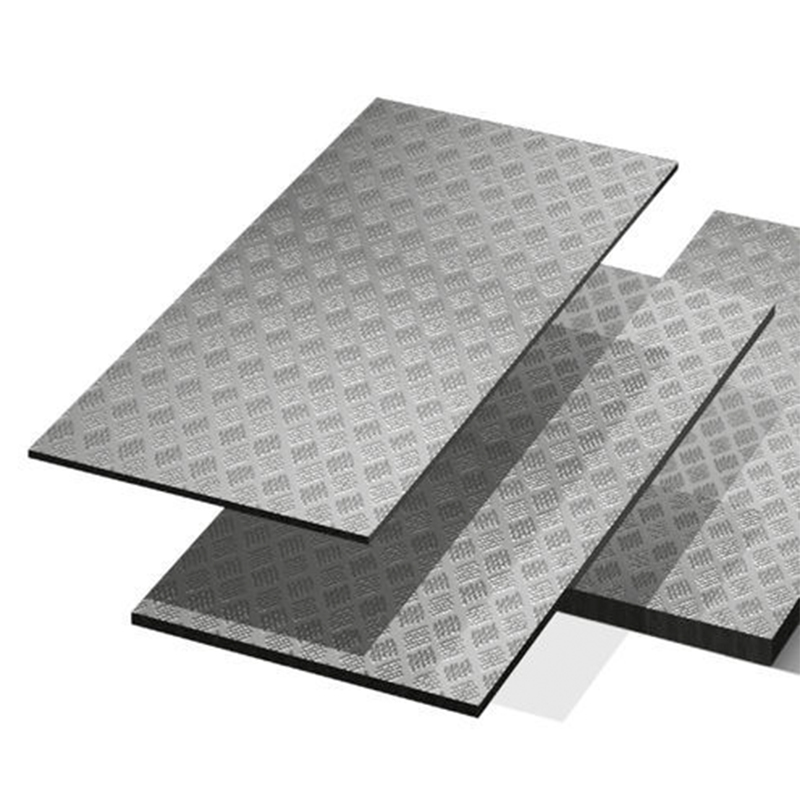
 Embossed Aluminum sheetsEmbossed aluminum sheet (also known as aluminum embossed sheet) is an industrial material with aluminum sheet or aluminum alloy as the base material, and a pattern formed on the surface through a rolling process. It is mainly used in building curtain walls, packaging, mechanical parts and home appliance decoration.
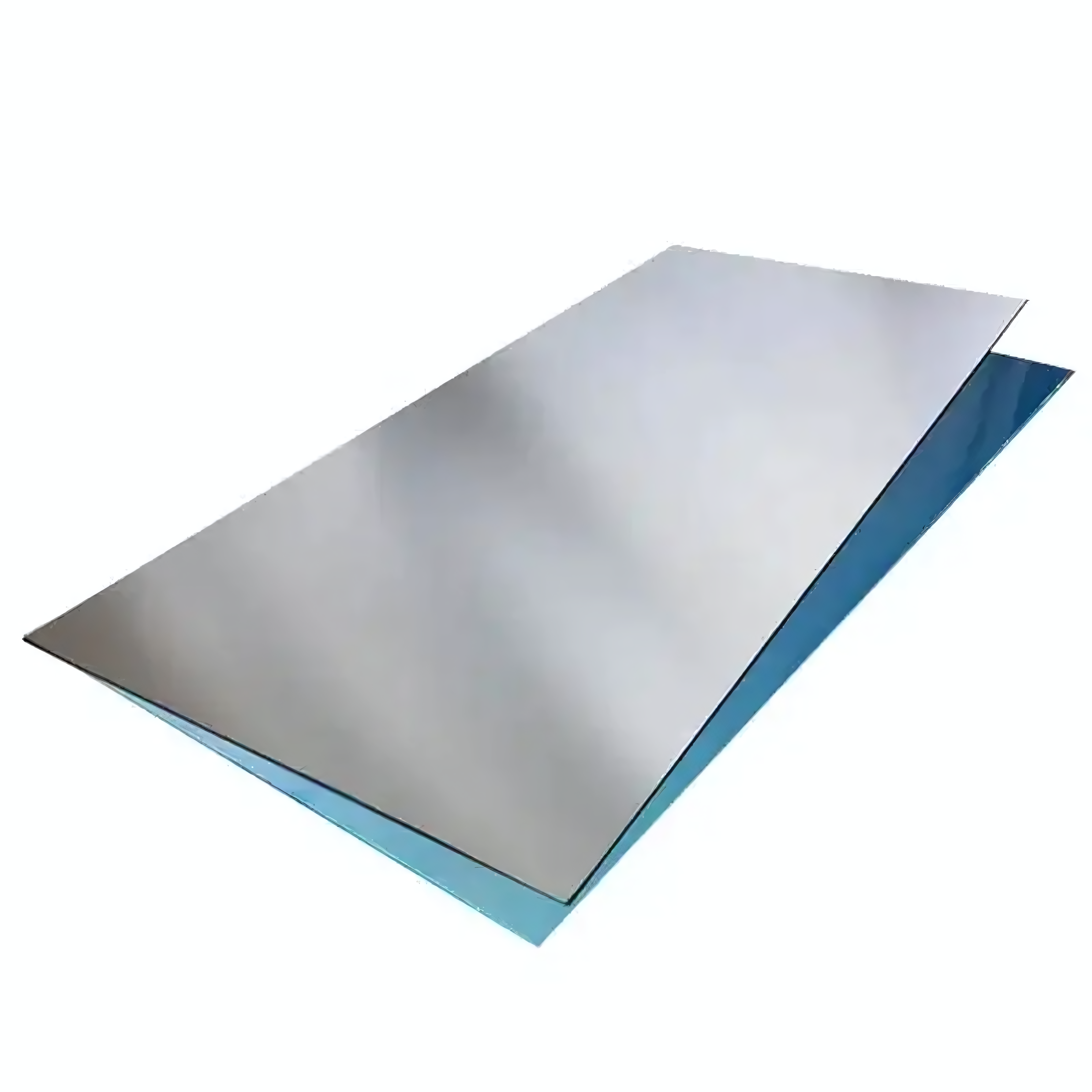
 Aluminum sheets 6061 SeriesIt can be strengthened by heat treatment, has high strength, good workability, corrosion resistance, and excellent weldability, making it the most commonly used structural aluminum alloy.
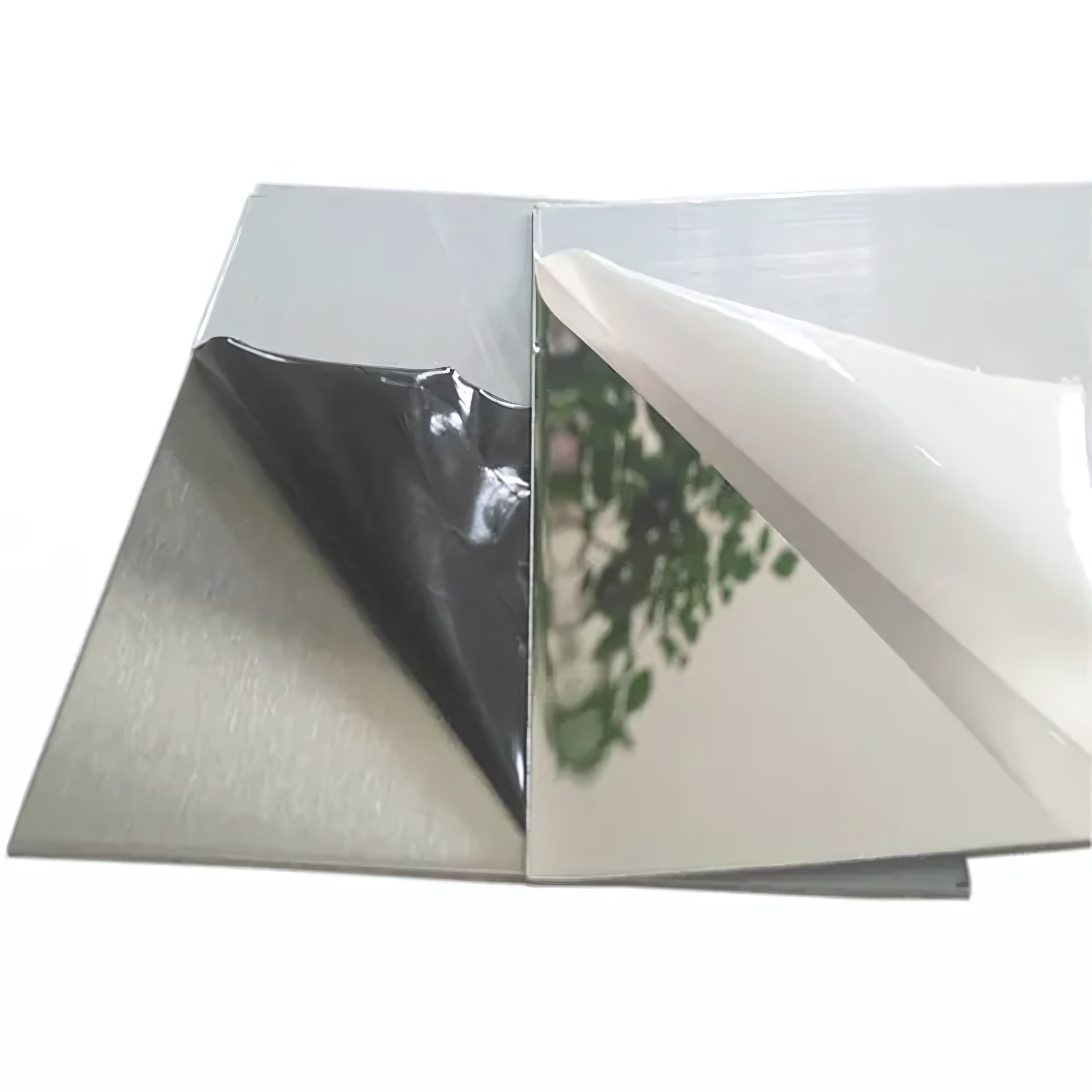
 Aluminum sheets 5052 SeriesHigh strength, highly corrosion-resistant, and not easily deformed, it is the mainstream aluminum alloy for industrial and outdoor structural components.
Leave A Message
If you are interested in our products and want to know more details, please leave a message here, we will reply you as soon as we can.