


1. Raw Material Cost Volatility
The aluminum market operates on a fundamental principle - bauxite prices dictate approximately 60% of coil production costs. When alumina refineries face operational disruptions or geopolitical tensions affect bauxite exports from Guinea or Australia, ripple effects manifest within 3-6 months across coil markets. Our production data reveals that 5000 series alloys (like 5052 and 5083) typically experience 8-12% greater price sensitivity to raw material shifts compared to 1000 series variants due to their magnesium content.
Energy constitutes another 25-30% of input costs. The smelting process consumes 13-15 kWh per kilogram of aluminum, making regional electricity pricing differentials crucial. For instance, European coil producers faced 40% higher energy costs than Asian counterparts during the 2022 energy crisis, creating temporary geographic pricing anomalies that savvy buyers could exploit through strategic sourcing.
Alloy-Specific Cost Drivers
- 1000 Series: Pure aluminum grades (1050, 1100) track LME prices most closely
- 3000 Series: Manganese-alloyed variants (3003, 3004) carry 5-7% premium
- 5000 Series: Magnesium content makes 5052/5083 most energy-intensive
- 6000 Series: Silicon-magnesium blends (6061, 6063) follow automotive demand cycles
2. Global Supply-Demand Imbalances
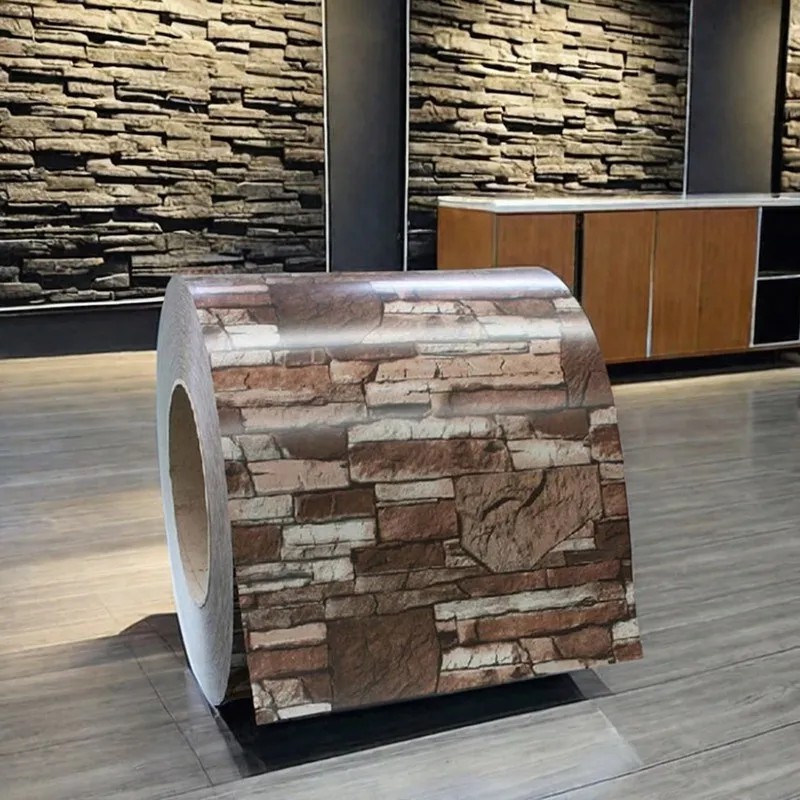
The aluminum coil market operates on razor-thin inventory buffers, with typical stock-to-consumption ratios below 6 weeks. When the construction boom in Southeast Asia coincided with post-pandemic automotive sector recovery in 2021, coil lead times extended from 4 weeks to 22 weeks virtually overnight. This explains why architectural-grade Printed aluminum coil with H14 temper specifications saw 34% price appreciation that year - outperforming other industrial metals.
Sector-specific demand creates pockets of volatility. The electric vehicle revolution has increased automotive body sheet (ABS) requirements by 19% annually since 2020, diverting 6000-series capacity away from traditional markets. Meanwhile, marine-grade 5086 aluminum for shipbuilding now commands 15-18% premiums over standard alloys due to specialized corrosion resistance needs.
3. Trade Policies & Tariff Structures
Aluminum remains one of the most heavily traded industrial metals, with 45% of production crossing international borders. The U.S. Section 232 tariffs (10% on most imports) and China's VAT rebate adjustments create arbitrage opportunities that sophisticated buyers monitor daily. For example, when the EU imposed anti-dumping duties on Chinese aluminum flat-rolled products in 2021, Indonesian and Indian suppliers gained 14% market share in Europe within six months.
Regional trade pacts also influence pricing. The African Continental Free Trade Area (AfCFTA) has enabled South African coil producers to displace 8% of European imports in West Africa since 2022. Procurement teams must track these policy shifts, especially when sourcing specialized products like printed aluminum for architectural decoration where regional preferences affect specifications.
4. Currency Exchange Rate Fluctuations
As a dollar-denominated commodity, aluminum coil prices exhibit inverse correlation to USD strength. Our analysis shows that a 1% appreciation in the trade-weighted dollar index typically translates to 0.7-0.9% price decline in local currency terms for importers. This creates strategic purchasing windows - Japanese buyers capitalized when yen weakness reversed temporarily in Q3 2023, securing 3000-series alloy coils at 6% below quarterly averages.
Emerging market currencies add another layer of complexity. Brazilian real volatility in 2022 caused domestic coil prices to swing 18% in USD terms despite stable LME pricing. For buyers of technical alloys like 6061-T6 for semiconductor equipment, such fluctuations necessitate hedging strategies beyond standard forward contracts.
5. Technological & Environmental Factors
The industry's decarbonization push has introduced new cost variables. Low-carbon aluminum (produced with renewable energy) now carries 15-20% premiums in European markets, while traditional smelters face rising carbon credit costs. Our 5754 alloy coils produced via hydroelectric power command particular preference among eco-conscious automotive clients.
Coating technologies also affect pricing. The shift toward chromium-free pretreatment systems added $12-15/ton to production costs industry-wide in 2023. However, these Printed aluminum coil products with advanced weather resistance properties deliver 30% longer service life in harsh climates, justifying the premium through total cost of ownership calculations.