


6061 vs 3003 Aluminum Coil: Which Alloy Should You Buy?
Choosing between 6061 and 3003 aluminum coils? As leading aluminum coil manufacturers, we understand your material selection challenges. Both alloys offer distinct advantages - 6061 provides superior strength for structural applications, while 3003 excels in formability and corrosion resistance. This guide compares their properties, applications, and cost-effectiveness to help procurement professionals make informed decisions for their specific industrial needs.
Understanding Aluminum Coil Fundamentals
Aluminum coils represent one of the most versatile material forms in modern manufacturing, offering exceptional strength-to-weight ratios and corrosion resistance. As a procurement specialist, understanding the fundamental differences between alloy types is crucial for making cost-effective purchasing decisions that meet project specifications. The 6061 and 3003 series represent two of the most commonly used aluminum alloys, each with distinct chemical compositions and mechanical properties that make them suitable for different applications across industries.
The 6000 series alloys like 6061 contain magnesium and silicon as their primary alloying elements, giving them excellent mechanical properties and heat treatability. In contrast, 3003 aluminum belongs to the manganese alloy group, offering superior formability and weldability. When selecting between these options for your Corrugated Aluminum sheets projects, consider factors such as required strength, corrosion resistance, and fabrication methods.
Chemical Composition and Material Properties
The performance differences between 6061 and 3003 aluminum coils stem from their distinct chemical compositions. 6061 aluminum contains 0.8-1.2% magnesium and 0.4-0.8% silicon, along with smaller amounts of copper (0.15-0.4%) and chromium (0.04-0.35%). This composition gives it excellent mechanical properties with a tensile strength ranging from 124-290 MPa depending on temper, making it ideal for structural components in aerospace and automotive applications.
3003 aluminum, on the other hand, consists primarily of manganese (1.0-1.5%) as its main alloying element. This results in lower strength (tensile strength 110-200 MPa) but superior formability characteristics. The material's excellent corrosion resistance makes it particularly suitable for chemical processing equipment, food handling applications, and architectural components exposed to harsh environments. Both alloys maintain the lightweight properties of aluminum (density ~2.7 g/cm³) while offering their unique advantages.
Mechanical Properties Comparison
Applications and Industry Use Cases
The choice between 6061 and 3003 aluminum coils largely depends on the intended application and performance requirements. 6061 aluminum's superior strength makes it the preferred choice for structural applications such as aircraft components, marine frames, and automotive parts where high stress resistance is critical. Its excellent machinability also makes it ideal for precision components in machinery and equipment.
3003 aluminum finds extensive use in applications requiring excellent formability and corrosion resistance. Common applications include:
- Food and chemical storage tanks
- Architectural panels and roofing
- Heat exchangers and cooling systems
- Decorative trim and signage
Fabrication and Processing Considerations
When planning your manufacturing processes, understanding the fabrication characteristics of each alloy is essential. 6061 aluminum offers excellent machinability in the T6 temper, allowing for precise cutting, drilling, and milling operations. However, it has relatively poor cold formability compared to 3003, making the latter more suitable for deep drawing, spinning, and other forming operations.
Welding represents another critical consideration. While both alloys are weldable, 3003 generally provides better results with conventional welding techniques. 6061 requires more careful control of welding parameters and often benefits from post-weld heat treatment to restore mechanical properties in the heat-affected zone. For projects involving extensive welding or forming, 3003 aluminum coils may offer significant processing advantages.
Surface Treatment Options
Both 6061 and 3003 aluminum coils accept various surface treatments to enhance appearance and performance:
- Anodizing: 6061 responds particularly well to anodizing, creating a durable, corrosion-resistant surface
- Powder Coating: Both alloys provide excellent substrates for powder coating applications
- Chemical Conversion Coatings: Effective for both alloys to improve paint adhesion and corrosion resistance
- Mechanical Finishing: Both alloys can be polished, brushed, or bead blasted for aesthetic effects
Cost Analysis and Procurement Strategy
From a procurement perspective, understanding the cost implications of alloy selection is crucial for budget management. Generally, 3003 aluminum coils tend to be more cost-effective than 6061, particularly for applications where high strength isn't the primary requirement. The price difference stems from the alloying elements and processing requirements - 6061's magnesium and silicon content and heat treatment requirements add to its production costs.
However, total cost of ownership should consider:
- Material costs per unit weight
- Fabrication and processing expenses
- Product lifespan and maintenance requirements
- Scrap value and recyclability
Conclusion and Recommendations
Selecting between 6061 and 3003 aluminum coils requires careful consideration of your project's specific requirements. For structural applications demanding high strength and excellent machinability, 6061 remains the superior choice. When formability, weldability, and corrosion resistance are primary concerns - particularly for architectural, food processing, or chemical handling applications - 3003 aluminum offers significant advantages.
As a professional aluminum coil manufacturer with over 20 years of industry experience, Shandong Diwang Aluminum Technology provides comprehensive technical support to help procurement specialists make the optimal material selection. Our extensive product range includes both 6061 and 3003 aluminum coils in various tempers and dimensions to meet diverse industrial requirements. Contact our technical team today to discuss your specific project needs and receive customized material recommendations.
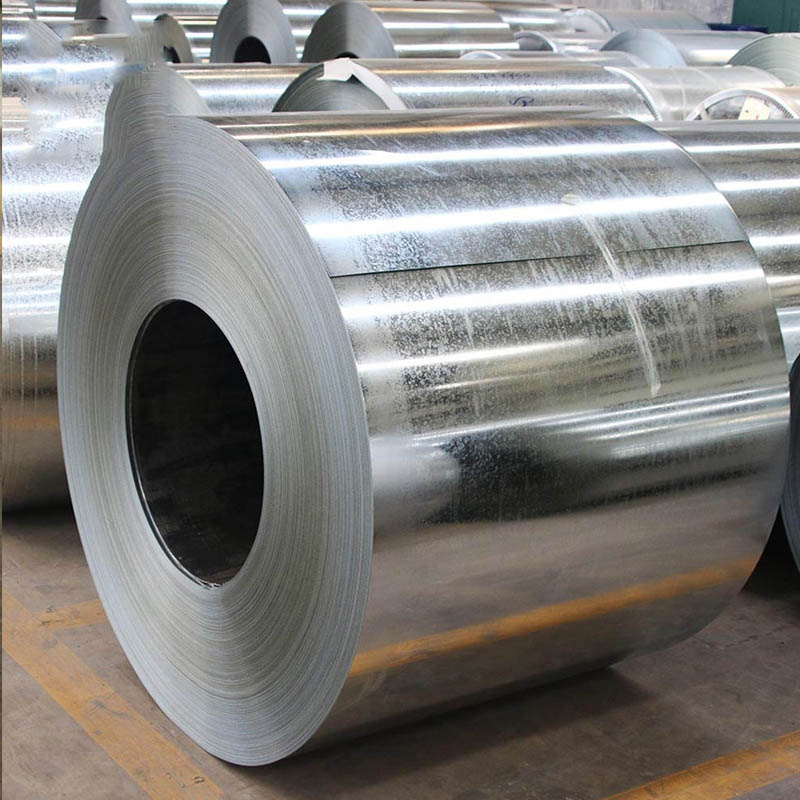
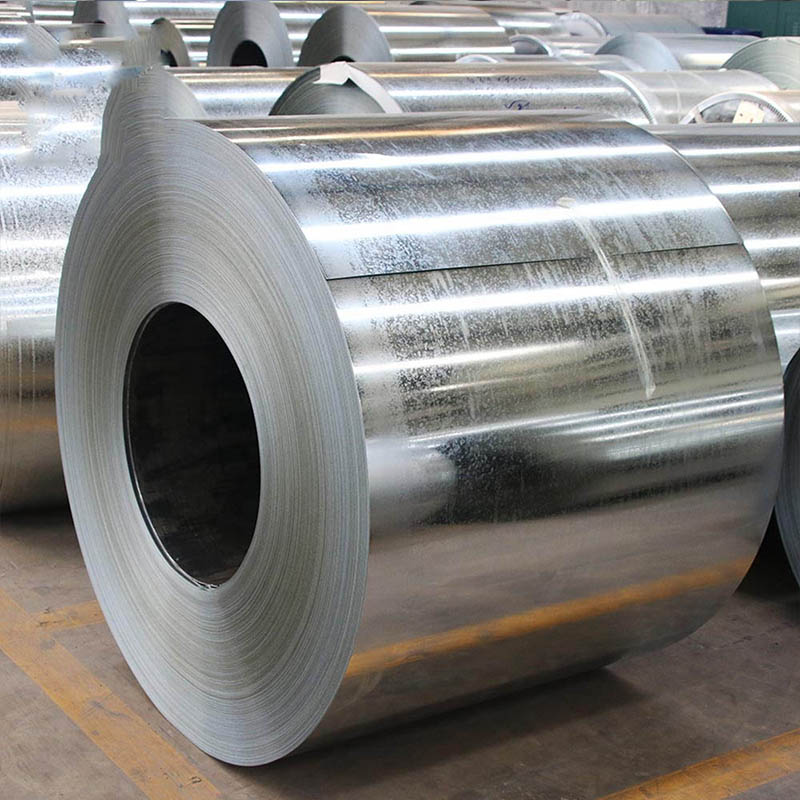
 Galvanized coilsGalvanized steel coil is made of hot-rolled steel strip or cold-rolled steel strip through a continuous hot-dip galvanizing process. It can be divided into hot-rolled galvanized steel coil and cold-rolled hot-dip galvanized steel coil, which are supplied in flat and coil forms respectively.
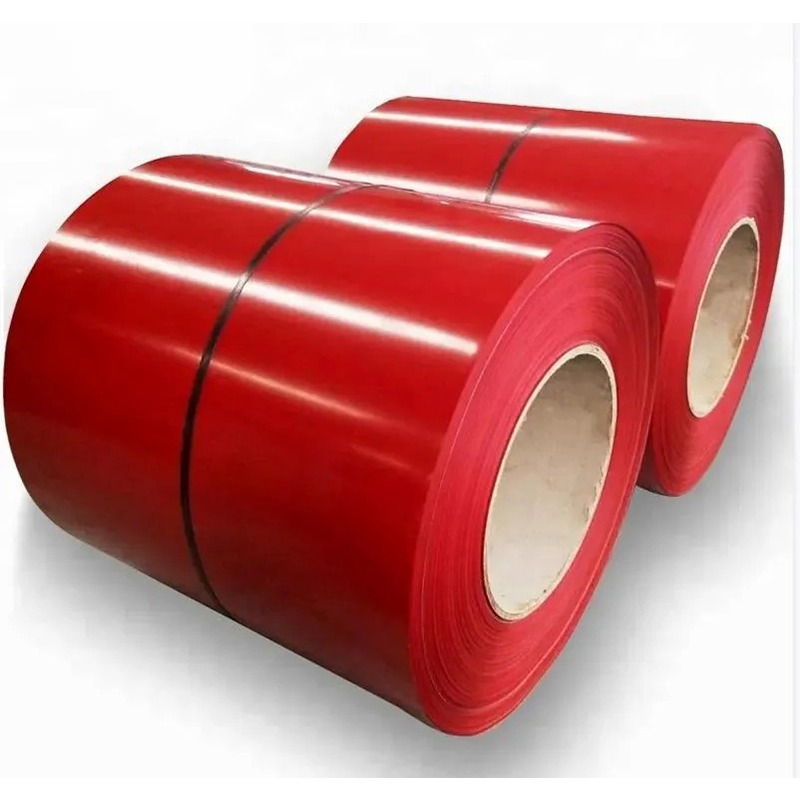
 Pre-painted galvalume coilsGalvalume color coated steel coil is a color coated steel coil made from galvalume steel coil as base material. This material not only has excellent physical and chemical properties, but is also favored for its beautiful appearance.
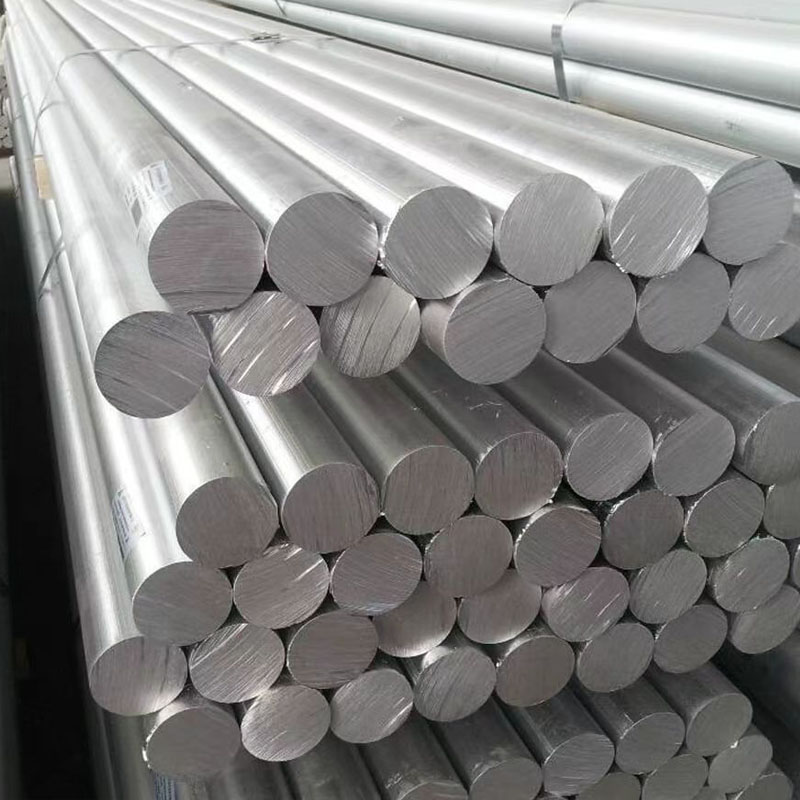
 Aluminum BarAluminum rods are cylindrical metal pieces made from aluminum, a lightweight and corrosion-resistant material. They are commonly used in various applications, including
Leave A Message
If you are interested in our products and want to know more details, please leave a message here, we will reply you as soon as we can.