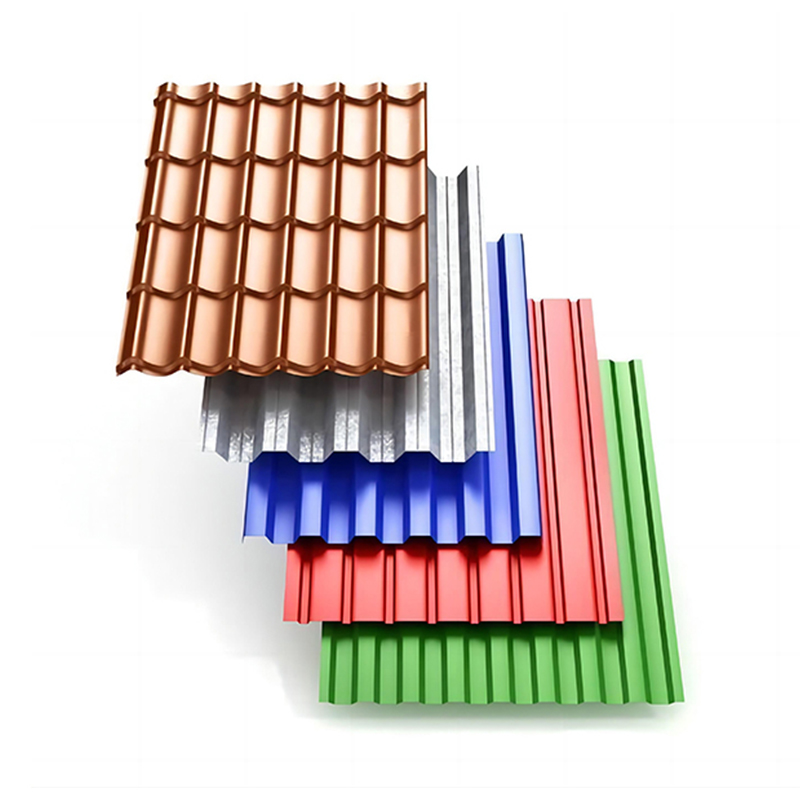
Installing Galvalume roofing requires careful attention to mitigate common risks that could compromise quality and safety. As a premium material combining aluminum-zinc alloy coating, Galvalume offers superior corrosion resistance - but improper handling during installation can lead to coating damage, structural weaknesses, or safety hazards. This guide provides quality control and safety professionals with actionable strategies to prevent installation errors, ensure material integrity, and maintain worksite safety standards throughout your roofing projects.
1. Preventing Coating Damage During Installation
The aluminum-zinc alloy coating on Galvalume roofing provides exceptional protection against corrosion, but this protective layer can be compromised during installation if proper precautions aren't taken. Quality control personnel should implement these measures:
- Use clean, non-abrasive tools specifically designed for metal roofing installation
- Implement a 'no-walk' policy on installed panels whenever possible
- Store materials properly before installation to prevent surface scratches
- Train workers on proper handling techniques to avoid tool marks
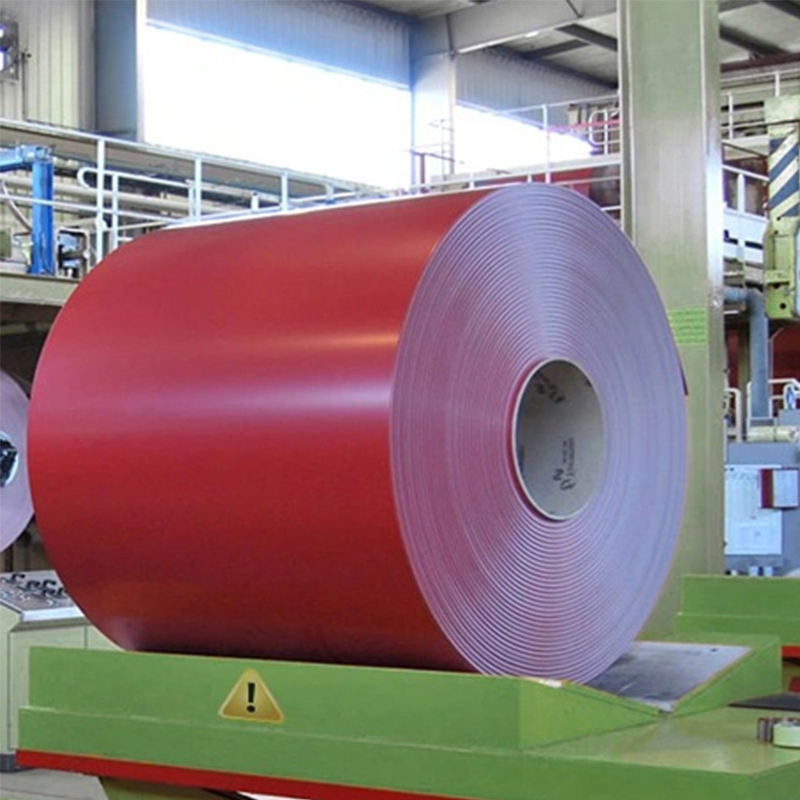
For projects requiring additional protective coatings, consider Color coated Aluminum coils which offer enhanced surface protection with uniform color consistency and strong coating adhesion that resists peeling or flaking.
2. Ensuring Structural Integrity of Roofing Systems
Structural weaknesses in Galvalume roofing installations often stem from improper fastening techniques or inadequate support systems. Safety managers should focus on:
- Verifying that the substructure meets load-bearing requirements before installation
- Using the correct type and quantity of fasteners as specified by the manufacturer
- Implementing a quality check system for fastener placement and tension
- Accounting for thermal expansion in panel layout and fastener placement
The mechanical properties of the roofing material play a crucial role in structural performance. Materials with excellent bending strength and toughness, like those meeting high flatness standards, can better withstand external impacts without damage.
3. Mitigating Worksite Safety Hazards
Roofing installations present numerous safety challenges that require proactive management:
The fire performance of roofing materials also contributes to overall site safety. Products with good flame retardant properties can help reduce fire spread in case of accidents.
4. Quality Control Protocols for Galvalume Installation
Establishing comprehensive quality control procedures ensures consistent installation results:
- Conduct pre-installation inspections of all materials for defects or damage
- Implement stage-gate inspections at critical installation milestones
- Document all quality checks with photographs and written reports
- Train installation teams on proper techniques and common mistakes to avoid
Materials with consistent quality characteristics, such as those demonstrating uniform color and high weather resistance, make quality control processes more reliable and predictable.
5. Long-Term Performance Considerations
Proper installation directly impacts the long-term performance of Galvalume roofing systems:
- Ensure proper overlap and sealing of panels to prevent water infiltration
- Account for thermal movement in the design to prevent buckling or stress
- Select materials with proven corrosion resistance for the specific environment
- Consider recyclability when selecting materials for sustainable projects
Products that combine strong corrosion resistance with excellent mechanical properties will deliver better long-term performance in challenging environments.
Conclusion and Next Steps
Mitigating risks in Galvalume roofing installation requires a comprehensive approach that addresses material handling, structural integrity, worksite safety, and quality control. By implementing the strategies outlined in this guide, quality and safety professionals can ensure successful project outcomes that maximize the performance characteristics of this premium roofing material.
For projects requiring high-performance roofing materials with exceptional flatness, color uniformity, and coating adhesion, explore our Color coated Aluminum coils designed for demanding applications. Contact our technical team today to discuss your specific project requirements and receive customized recommendations for your Galvalume roofing installation challenges.