


How Aluminum sheet Thickness Impacts Fabrication and Strength?
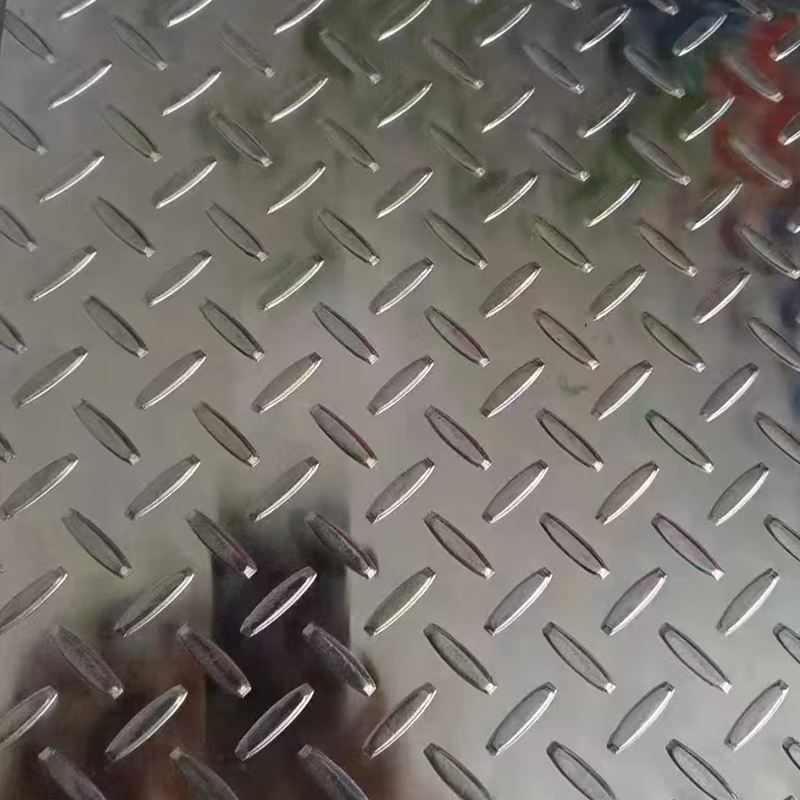
Aluminum sheet thickness is a decisive factor that shapes fabrication methods, structural strength, and lifecycle performance in engineering and commercial applications. For technical evaluators and business decision-makers, understanding how an Aluminum sheet's gauge influences bending, welding, fatigue resistance, and cost helps optimize product selection and production planning.
Definition and material fundamentals: what is Aluminum sheet thickness?
Thickness for an Aluminum sheet refers to the measured gauge from one face to the other, typically expressed in millimeters or inches. Thickness affects the sheet's moment of inertia and section modulus, which directly influence stiffness and load-bearing capacity. When selecting an Aluminum sheet, assess not only thickness but also alloy, temper, and surface treatment, because those factors interact to determine overall mechanical behavior and fabrication compatibility.
Technical performance: mechanical properties tied to thickness
Key mechanical attributes such as yield strength, tensile strength, and elongation vary with alloy and temper and are influenced by thickness in practical assemblies. Thicker Aluminum sheet sections distribute stresses over larger cross-sections, reducing local strain and increasing the allowable load for bending and shear. However, thicker sheets may have different forming limits; understanding forming limit curves and strain rates is critical for predicting failure modes during stamping or deep drawing.
Bending and stiffness
Stiffness scales roughly with the cube of thickness for simple bending scenarios, so modest increases in thickness produce large increases in flexural rigidity. In structures where deflection limits are strict, opting for a thicker Aluminum sheet is often more effective than adding complex stiffeners.
Fatigue and dynamic loading
Under cyclic loading, thicker sheets often have improved fatigue life because stress concentrations at holes and welds are relatively lower. Still, surface quality, residual stresses from forming or welding, and edge treatments can dominate fatigue performance regardless of nominal thickness.
Fabrication processes: how thickness changes manufacturing choices
Fabrication routes—cutting, bending, stamping, welding, and joining—depend critically on Aluminum sheet thickness. Thin sheets (e.g., below 1 mm) are ideal for deep drawing, embossing, and coil-fed processes. Medium gauges suit brake forming and moderate stamping. Thick sheets require heavier presses, preheating in some alloys, and may need edge preparation before welding.
- Laser cutting and shearing: clean cuts for thin to medium Aluminum sheet; thicker sections may need plasma or waterjet with adjusted parameters.
- Forming and bending: springback rises with strength and decreases with thickness; thicker Aluminum sheet needs larger bend radii and higher tonnage.
- Welding: thick Aluminum sheet often needs preheating, filler selection, and post-weld treatments to control distortion and porosity.
Application scenarios and industry relevance
Different industries specify distinct ranges of Aluminum sheet thickness based on load, corrosion environment, and manufacturability. Aerospace and automotive prioritize high-strength alloys at optimized thickness for weight reduction; building and roofing favor durability and formability in wider coil gauges. For large-span roofing and cladding, thicker Aluminum sheet enhances impact resistance and reduces deflection under wind loads.
Midway in practical selection, product choices such as Pre-painted roofing sheets offer a combined surface treatment and gauge tailored to architectural and roofing needs, balancing appearance, corrosion protection, and the structural advantages of appropriate thickness in building envelopes.
Standards, certifications and testing protocols
Industry standards such as ASTM, EN and JIS define chemical composition, mechanical requirements, and thickness tolerances for Aluminum sheet. Typical references include ASTM B209 for aluminum and aluminum-alloy sheet and plate. Thickness tolerances and flatness specifications vary by standard and intended use; ensure compliance with the applicable specification in procurement documents to avoid downstream rework.
Comparison analysis: thin vs. thick Aluminum sheet
Procurement guide: choosing the right thickness
- Define load, deflection and life-cycle targets in the specification document.
- Match alloy and temper to required strength, corrosion resistance and formability for the chosen Aluminum sheet thickness.
- Consult fabrication partners on tooling capacity and expected springback for the selected thickness.
- Verify supplier certifications and sample test reports to confirm thickness tolerances and mechanical performance.
Cost, alternatives and lifecycle considerations
Choosing a thicker Aluminum sheet raises upfront material costs but can reduce assembly complexity and maintenance over the product life. Alternatives include using a thinner Aluminum sheet with structural ribs, hybrid assemblies combining composites or steel, or selecting higher-strength alloys that allow thickness reduction without compromising performance. Life-cycle cost models often show that optimal thickness reduces total cost of ownership when maintenance and weight penalties are included.
Common misconceptions clarified
- Myth: Thicker always means stronger. Clarification: Strength depends on alloy and temper as much as thickness; a high-strength thin Aluminum sheet can outperform a soft thicker one in some metrics.
- Myth: Thicker sheets are easier to weld. Clarification: Thicker Aluminum sheet may require more advanced welding techniques to control heat input and distortion.
Customer case: industrial roofing upgrade
A mid-sized OEM replaced a 0.8 mm coated Aluminum sheet with a 1.5 mm pre-painted solution for a roofing retrofit. The thicker Aluminum sheet reduced through-life maintenance by lowering dent rates and improving panel span capacity, enabling longer unsupported spans and cutting installation time. The result: reduced lifecycle cost and faster project delivery.
Frequently asked questions (FAQ)
Q: How does Aluminum sheet thickness affect paint adhesion?
A: Paint adhesion depends primarily on surface preparation and coating system. However, thicker Aluminum sheet offers more dimensional stability during coating and handling, which can indirectly improve final finish quality.
Q: Can I down-gauge Aluminum sheet to save cost?
A: Down-gauging is feasible when using higher-strength alloys and redesigning geometry to compensate, but it requires requalification and may increase process complexity.
Market trends and industry outlook
Demand for lightweight structures and energy-efficient production pushes manufacturers to optimize Aluminum sheet thickness through advanced alloys and tailored tempers. Recyclability and sustainability criteria also influence thickness decisions, as material reduction reduces embodied energy but must not compromise product longevity. Suppliers with integrated coil production and surface finishing capabilities can offer tailored Aluminum sheet solutions that balance weight, cost and durability.
Conclusion and why choose us
Understanding how Aluminum sheet thickness impacts fabrication and strength enables better technical and commercial decisions. Shandong Diwang Aluminum Technology combines extensive coil production capacity, diverse product lines and export experience to support projects across engineering, construction, automotive and aerospace sectors. If you need help specifying the optimal Aluminum sheet thickness or sourcing coated and pre-painted solutions, contact us to evaluate alloys, tempers, and cost-effective fabrication strategies. Choose an experienced partner who can align material selection with manufacturing realities and long-term performance.
Contact us to discuss thickness optimization and sample procurement for your next project.
Leave A Message
If you are interested in our products and want to know more details, please leave a message here, we will reply you as soon as we can.